


Glipzo
WorldTechnologyBusinessSportsEntertainmentScienceHealthPolitics
Glipzo
WorldTechnologyBusinessSportsEntertainmentScienceHealthPolitics
  1. Home
  2. /
  3. Business
  4. /
  5. Shocking Wave of Indian Billionaires Buying Global Firms
Shocking Wave of Indian Billionaires Buying Global Firms

Image: BBC Business

Business
Monday, May 25, 20264 min read

Shocking Wave of Indian Billionaires Buying Global Firms

Glipzo News Desk|Source: BBC Business
Share
Glipzo

Key Highlights

  • Indian billionaires are making waves with global acquisitions.
  • Sun Pharma's $11.75bn deal sets a new record.
  • Tata Motors and Coforge join the international buying spree.
  • Many Indian firms are seeking better opportunities abroad.
  • Previous missteps in acquisitions highlight the risks involved.

In this article

  • Indian Billionaires Making Bold Moves in Global Acquisitions In a significant shift in strategy, **Indian billionaires** are making headlines with their ambitious overseas acquisitions. In late April 2025, **Sun Pharmaceuticals** announced a groundbreaking deal to acquire **Organon & Co.**, a New York-listed company specializing in women’s health and biosimilars, for a staggering **$11.75 billion** (£8.59 billion). This transaction marks the largest overseas acquisition by an Indian firm in nearly 20 years, signaling a renewed vigor in the international investment arena. The surge in international acquisitions isn’t an isolated event. **Tata Motors** recently completed a **$4.4 billion** purchase of the Turin-based vehicle manufacturer **Iveco**, while **Coforge**, an IT services company, acquired Silicon Valley-based **Encora** for **$2.35 billion**. Additionally, the **Bajaj Group** has made a notable investment by securing a **23% stake in Allianz SE**, a global insurance powerhouse. According to data from consultancy **Grant Thornton**, **162 Indian companies** have collectively spent over **$18 billion** on outbound acquisitions in 2025 alone, representing a remarkable **34% rise** compared to the previous year. **Sumeet Abrol**, a partner at Grant Thornton, remarked, "We could cross **$15 billion** in deal value in just the first half of this year," highlighting the momentum behind this trend.
  • Changing Motivations Behind Overseas Investments This wave of overseas acquisitions evokes memories of the early 2000s when Indian corporations like the **Tata Group** embarked on ambitious global expansions, acquiring high-profile assets such as **Jaguar Land Rover** and **Corus Steel**. However, analysts suggest that the motivations driving today’s acquisitions differ significantly. Indian companies are increasingly targeting Western assets not merely for prestige but for strategic advantages and operational efficiencies. The economic landscape has transformed dramatically since the last acquisition boom. While India experienced a vibrant bull market two decades ago, the current environment is characterized by a **rapid outflow of foreign portfolio investors**, a notable decline in net **foreign direct investment (FDI)**, and persistently low private sector investment levels, despite government incentives like tax reductions and production-linked subsidies. **V Anantha Nageswaran**, India’s chief economic advisor, recently stated, "Corporate profits of India’s top 500 companies post-COVID grew at **30.8%** per annum. But still, our overall capital formation rates from the private sector have been disappointing." This statement underscores the challenges facing domestic investment and the appeal of international opportunities.
  • The Appeal of Global Markets for Indian Companies Experts argue that the current trend of expanding overseas reflects a growing disenchantment with the domestic business landscape. Many Indian firms are seeking better diversification and capability-building opportunities outside India. **Saurabh Mukherjea**, of **Marcellus Investment Managers**, pointed out, "There is plenty of Indian money heading abroad. Even among the companies we own in our portfolio, many are setting up **greenfield factories** in the US and other locations where industrial land is almost free, and accessing working capital is much easier than here." This trend is increasingly evident among smaller companies as well. While high-profile deals like Sun Pharma's acquisition and **Mukesh Ambani's** rumored involvement in a **$300 billion** oil refinery project in Brownsville grab headlines, Mukherjea notes that many smaller firms are also pursuing similar greenfield investments or smaller acquisitions.
  • Leveraging Global Financing and Supply Chains The surge in outbound acquisitions is bolstered by stronger balance sheets and improved access to global financing options. **Neha Singh**, co-founder of the data intelligence firm **Tracxn**, emphasized that Indian businesses are increasingly seeking international markets to gain access to brands, technological capabilities, research and development expertise, and established distribution networks that would take years to develop organically. Moreover, companies are motivated to protect their supply chains amid a global landscape where trade tariffs and chokepoints are being weaponized. The speed of these acquisitions demonstrates a proactive approach to securing operational resilience in the face of uncertainty. However, the journey of overseas acquisitions is not without risks. Past experiences, such as **Tata Steel’s** acquisition of Corus Steel, which became a significant burden for the company for years, serve as cautionary tales in the industry. Mukherjea aptly describes such missteps as

Indian Billionaires Making Bold Moves in Global Acquisitions In a significant shift in strategy, **Indian billionaires** are making headlines with their ambitious overseas acquisitions. In late April 2025, **Sun Pharmaceuticals** announced a groundbreaking deal to acquire **Organon & Co.**, a New York-listed company specializing in women’s health and biosimilars, for a staggering **$11.75 billion** (£8.59 billion). This transaction marks the largest overseas acquisition by an Indian firm in nearly 20 years, signaling a renewed vigor in the international investment arena. The surge in international acquisitions isn’t an isolated event. **Tata Motors** recently completed a **$4.4 billion** purchase of the Turin-based vehicle manufacturer **Iveco**, while **Coforge**, an IT services company, acquired Silicon Valley-based **Encora** for **$2.35 billion**. Additionally, the **Bajaj Group** has made a notable investment by securing a **23% stake in Allianz SE**, a global insurance powerhouse. According to data from consultancy **Grant Thornton**, **162 Indian companies** have collectively spent over **$18 billion** on outbound acquisitions in 2025 alone, representing a remarkable **34% rise** compared to the previous year. **Sumeet Abrol**, a partner at Grant Thornton, remarked, "We could cross **$15 billion** in deal value in just the first half of this year," highlighting the momentum behind this trend.

Changing Motivations Behind Overseas Investments This wave of overseas acquisitions evokes memories of the early 2000s when Indian corporations like the **Tata Group** embarked on ambitious global expansions, acquiring high-profile assets such as **Jaguar Land Rover** and **Corus Steel**. However, analysts suggest that the motivations driving today’s acquisitions differ significantly. Indian companies are increasingly targeting Western assets not merely for prestige but for strategic advantages and operational efficiencies. The economic landscape has transformed dramatically since the last acquisition boom. While India experienced a vibrant bull market two decades ago, the current environment is characterized by a **rapid outflow of foreign portfolio investors**, a notable decline in net **foreign direct investment (FDI)**, and persistently low private sector investment levels, despite government incentives like tax reductions and production-linked subsidies. **V Anantha Nageswaran**, India’s chief economic advisor, recently stated, "Corporate profits of India’s top 500 companies post-COVID grew at **30.8%** per annum. But still, our overall capital formation rates from the private sector have been disappointing." This statement underscores the challenges facing domestic investment and the appeal of international opportunities.

The Appeal of Global Markets for Indian Companies Experts argue that the current trend of expanding overseas reflects a growing disenchantment with the domestic business landscape. Many Indian firms are seeking better diversification and capability-building opportunities outside India. **Saurabh Mukherjea**, of **Marcellus Investment Managers**, pointed out, "There is plenty of Indian money heading abroad. Even among the companies we own in our portfolio, many are setting up **greenfield factories** in the US and other locations where industrial land is almost free, and accessing working capital is much easier than here." This trend is increasingly evident among smaller companies as well. While high-profile deals like Sun Pharma's acquisition and **Mukesh Ambani's** rumored involvement in a **$300 billion** oil refinery project in Brownsville grab headlines, Mukherjea notes that many smaller firms are also pursuing similar greenfield investments or smaller acquisitions.

Leveraging Global Financing and Supply Chains The surge in outbound acquisitions is bolstered by stronger balance sheets and improved access to global financing options. **Neha Singh**, co-founder of the data intelligence firm **Tracxn**, emphasized that Indian businesses are increasingly seeking international markets to gain access to brands, technological capabilities, research and development expertise, and established distribution networks that would take years to develop organically. Moreover, companies are motivated to protect their supply chains amid a global landscape where trade tariffs and chokepoints are being weaponized. The speed of these acquisitions demonstrates a proactive approach to securing operational resilience in the face of uncertainty. However, the journey of overseas acquisitions is not without risks. Past experiences, such as **Tata Steel’s** acquisition of Corus Steel, which became a significant burden for the company for years, serve as cautionary tales in the industry. Mukherjea aptly describes such missteps as

Did you find this article useful? Share it!

Share

Related Articles

Commercial LPG Prices Surge Again: ₹42 in Delhi, ₹53.50 in Kolkata
Business
Jun 1, 2026

Commercial LPG Prices Surge Again: ₹42 in Delhi, ₹53.50 in Kolkata

Commercial LPG prices have risen again, with increases of ₹42 in Delhi and ₹53.50 in Kolkata impacting businesses and consumers alike. Find out more.

Indian Express

Shocking Coal Mine Disaster in China Raises Safety Concerns
Business
Jun 1, 2026

Shocking Coal Mine Disaster in China Raises Safety Concerns

Discover how a tragic coal mine explosion in Shanxi, China, reveals ongoing safety concerns in the industry amidst a push for green energy.

BBC Business
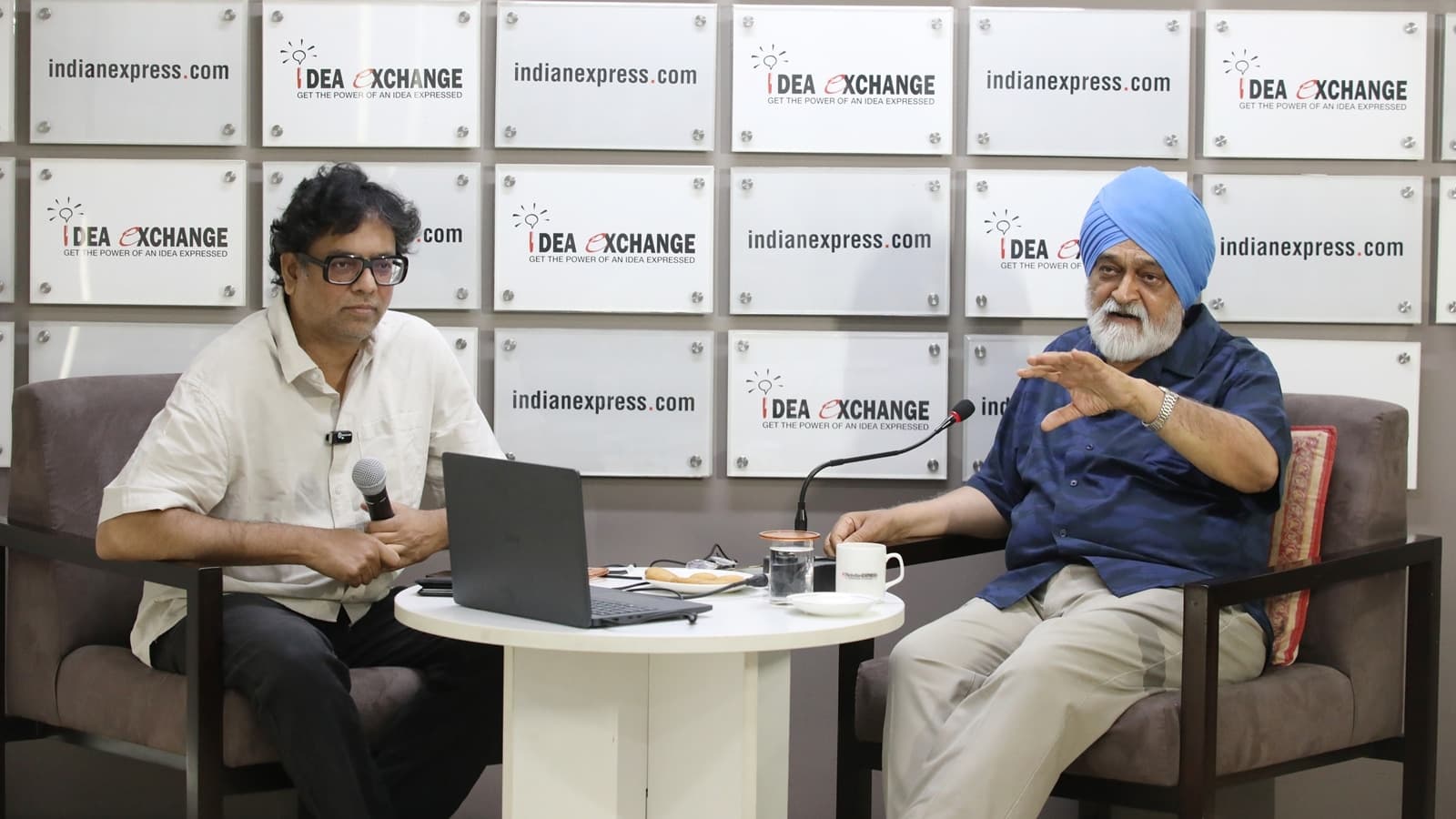
Montek Singh Ahluwalia: Critical Economic Insights Unveiled
Business
Jun 1, 2026

Montek Singh Ahluwalia: Critical Economic Insights Unveiled

Montek Singh Ahluwalia highlights key economic challenges for India, emphasizing the need for a strategic approach to balance payments and investment.

Indian Express

Categories

  • World
  • Technology
  • Business
  • Sports

More

  • Entertainment
  • Science
  • Health
  • Politics

Explore

  • Web Stories
  • About Us
  • Contact

Legal

  • Privacy Policy
  • Terms of Service
  • Disclaimer

© 2026 Glipzo. All rights reserved.