
Image: BBC Business
Discover how two women turned franchisees faced devastating debt and mental health issues after partnering with Vodafone. What went wrong?
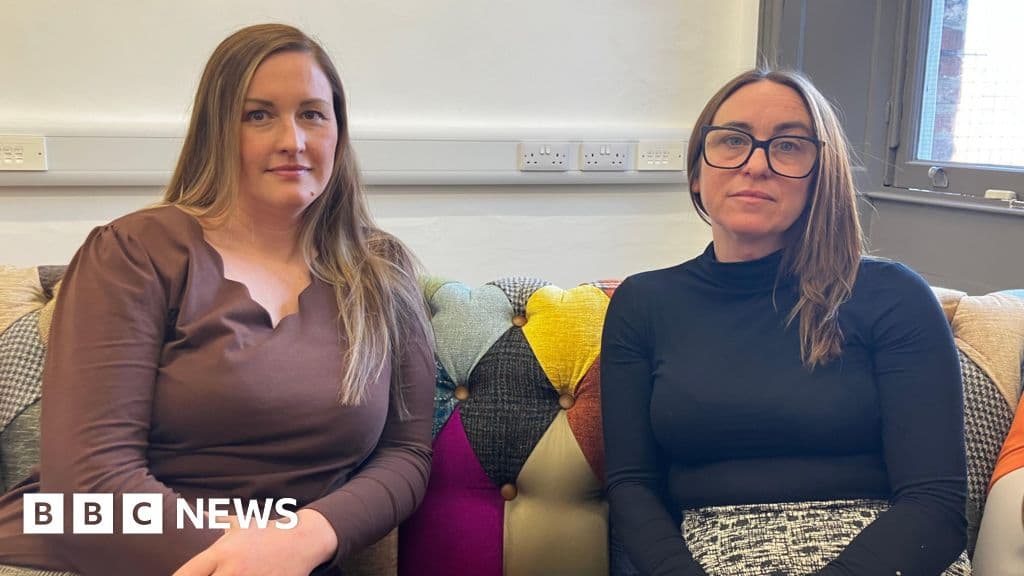
GlipzoIn an alarming turn of events, two women, Donna Watton and Rachael Beddow Davison, are speaking out about their harrowing experiences as franchisees under the Vodafone brand. Both from Lincolnshire, they are part of a larger group of 62 former franchise operators who are taking legal action against the telecommunications giant. Their stories reveal a troubling pattern of financial distress and mental health struggles stemming from what they describe as misleading promises made by Vodafone.
The women allege that their journey, which started with the excitement of owning a business in 2017, quickly spiraled into a nightmare of debt and emotional turmoil. According to their claims, Vodafone made business decisions that were “irrational” and “arbitrary,” leading to significant financial losses and stress.
As former store managers turned franchisees, both Watton and Beddow Davison initially embraced the opportunity to run their own businesses under the Vodafone name. Watton, who joined the company in 2008, recalls the optimism she felt when she took over a shop in Boston. “It looked amazing; I was excited to be my own boss,” she expressed. Beddow Davison, who managed a store since 2013, was equally enthusiastic about taking on the Lincoln shop.
However, their enthusiasm soon turned to despair. The franchisees claim that starting in 2020, Vodafone implemented abrupt changes that severely impacted their revenue. These included: - A nearly 50% reduction in commission for phone upgrades and packages, with Vodafone stating the cut was approximately 40%. - The introduction of an extremely disproportionate fines and penalties system that cost them thousands of pounds.
Beddow Davison recounted a particularly shocking moment when she faced a charge exceeding £3,260 after a team member was deemed “abrupt” with a customer during a web chat. The significant financial burden from these penalties contributed to their already mounting debts and stress.
In their claims, the women also assert that Vodafone encouraged them to take on additional stores despite these locations lacking a trading history or established customer base. They were allegedly promised that if these new stores failed to generate £40,000 in the first year, Vodafone would cover the difference. However, they argue that this support never materialized, leading to further financial strain.
Vodafone, for its part, contests these assertions, stating that there was never a guaranteed profit and that the £40,000 figure was merely a targeted earnings goal.
The frustrations did not stop there. Watton claims that Vodafone failed to renew her contract for her profitable Boston store, further complicating her financial situation. Both women reported persistent issues with faulty footfall counters, which misrepresented customer traffic and led Vodafone to overestimate their revenue potential. They assert that they communicated these concerns multiple times to the company, to no avail.
“If it had been how the franchise programme was in the beginning, everything would have gone according to plan,” Watton lamented. “But unfortunately, the goal posts were massively changed.”
The emotional and financial toll of these experiences has been profound. Both women have detailed their struggles with mental health issues, exacerbated by the pressures of running unprofitable stores and accumulating debt. Beddow Davison, a single mother of three, shared how she invested thousands of pounds of her own money to set up her franchise store, only to be met with overwhelming financial hardships.
Their situation sheds light on the darker side of franchising, particularly in the fast-paced and often volatile telecommunications sector. The legal action they are pursuing could have significant implications not only for Vodafone but also for other franchise operations across the industry.
Vodafone maintains that it has made strides to improve its franchise program over the past two years and has attempted to engage with the franchisees to resolve their claims. The company stated that a proposed settlement was rejected by the franchisees, indicating that the path to resolution may be fraught with challenges ahead.
As this legal case unfolds, it raises critical questions about franchise agreements, corporate responsibility, and the support systems in place for small business owners. The outcome could potentially reshape the dynamics between franchisors and franchisees, particularly in the telecommunications sector.
This case highlights the potential pitfalls of franchising, especially for individuals who may not have extensive business experience. As more people consider taking on franchise opportunities, understanding the risks and the importance of clear agreements will be vital.
As the case progresses through the courts, observers will be keen to see: - The decisions made by the court regarding the franchisees' claims and the implications for Vodafone's franchise model. - Potential changes to franchise agreements in the telecommunications sector based on the outcome. - How other franchisees respond to this case, potentially leading to broader industry impacts.
In a rapidly changing business landscape, the experiences of Watton and Beddow Davison serve as a cautionary tale for aspiring franchise owners. If you’re considering entering into a franchise agreement, it’s crucial to conduct thorough research and understand the potential risks involved.

Commercial LPG prices have risen again, with increases of ₹42 in Delhi and ₹53.50 in Kolkata impacting businesses and consumers alike. Find out more.
Indian Express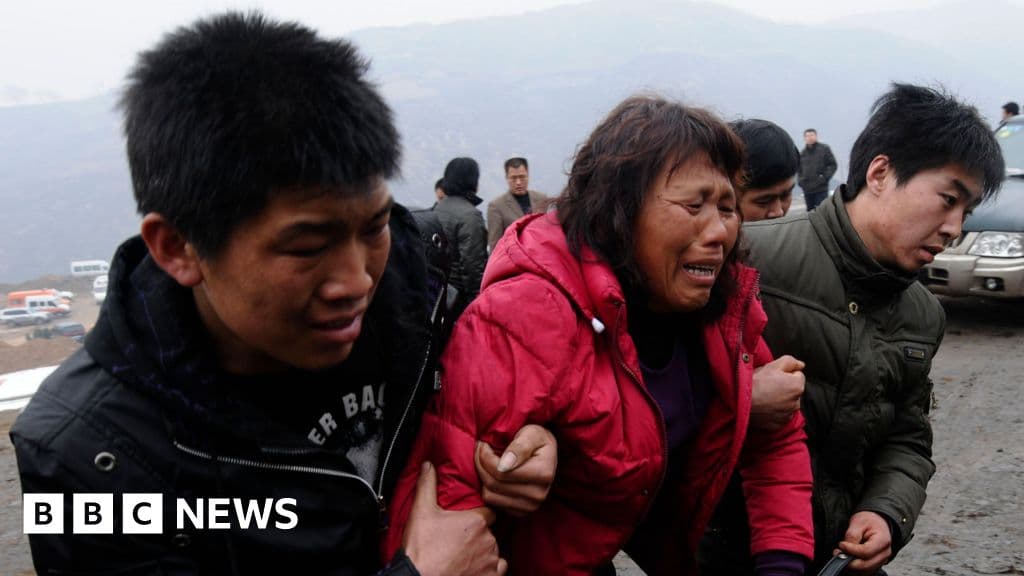
Discover how a tragic coal mine explosion in Shanxi, China, reveals ongoing safety concerns in the industry amidst a push for green energy.
BBC Business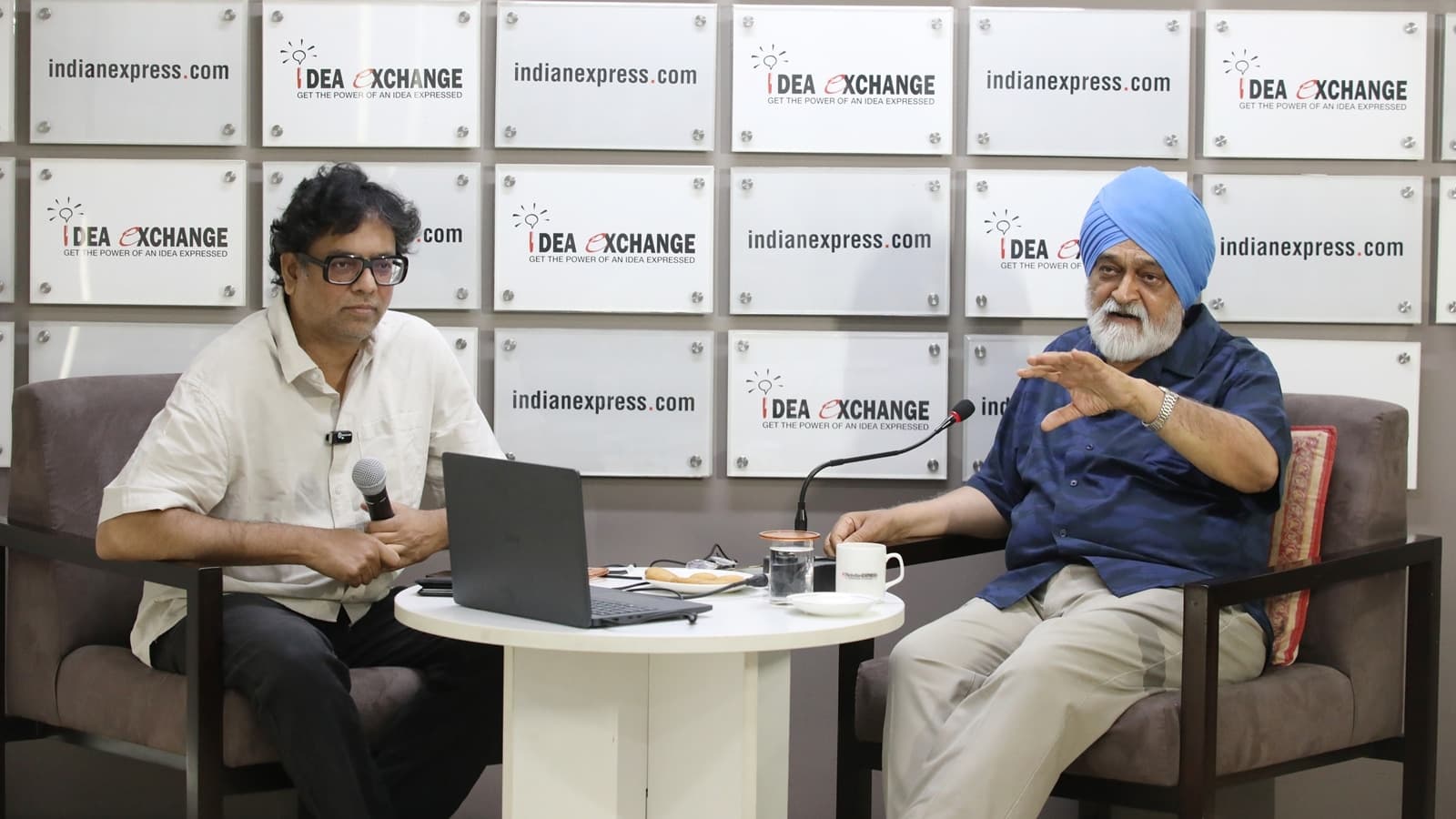
Montek Singh Ahluwalia highlights key economic challenges for India, emphasizing the need for a strategic approach to balance payments and investment.
Indian Express