
Image: BBC World
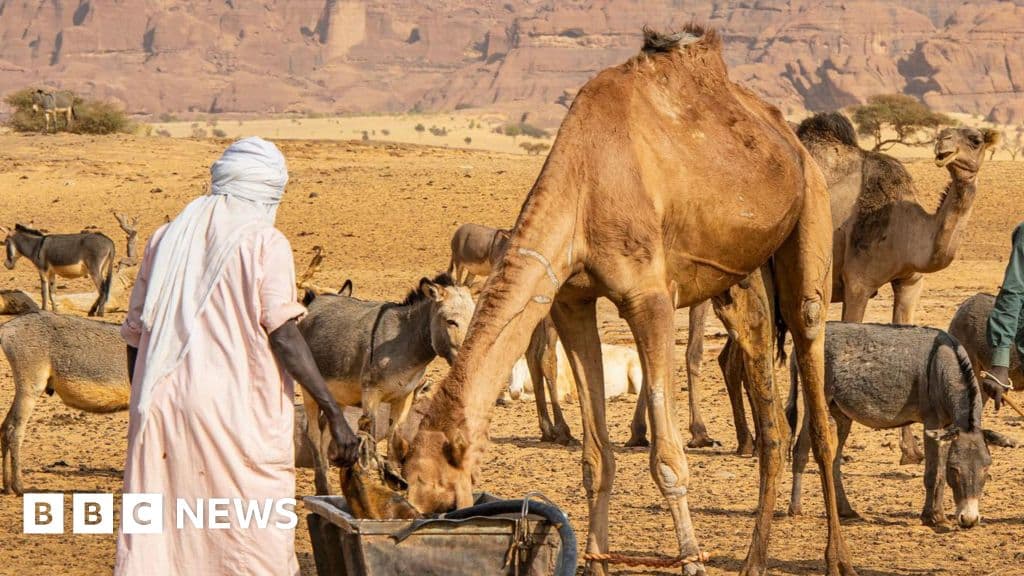
Shocking clashes in Chad over a water dispute have left 42 dead and raised alarms over escalating ethnic violence. What does this mean for the region's stability?
GlipzoIn a tragic escalation of violence, 42 individuals have lost their lives and 10 others have sustained injuries due to clashes among rival ethnic groups in Wadi Fira province, eastern Chad. This conflict, which began as a simple disagreement over access to a water well, has spiraled into a series of retaliatory attacks, culminating in the destruction of multiple villages and deepening the humanitarian crisis in the region.
The fighting erupted when tensions between two families rapidly grew, igniting a cycle of violence that spread across the area. Local officials have reported that villages have been burned, underscoring the severity of the situation and the potential for further unrest. On Sunday, Chadian authorities confirmed that a delegation led by Deputy Prime Minister Limane Mahamat was dispatched to the region, and they have since stated that the situation is now under control.
Chad, a central African nation, has a long history of communal clashes, often rooted in disputes between farmers and herders. These conflicts are primarily driven by competition for scarce resources, particularly water and grazing land. The arrival of refugees from the ongoing civil war in Sudan has exacerbated existing tensions, as communities grapple with increased demand for already limited resources.
According to the government, these communal clashes are not new. Just last November, 33 people were killed in a similar dispute over a water well in Dibebe, located in southwestern Chad. The pattern of violence is alarming, with the International Crisis Group estimating that between 2021 and 2024, nearly 1,000 people were killed and 2,000 injured in about 100 separate clashes throughout the country.
Human rights organizations, including Amnesty International, have highlighted how climate change and related issues have intensified these confrontations. In a report from last year, Amnesty documented seven instances of violence between herders and farmers resulting in 98 fatalities from 2022 to 2024. The organization pointed out that the government's response has often been inadequate, with security forces failing to provide timely intervention, thereby fostering a culture of impunity within affected communities.
Amnesty International emphasized the urgent need for governance reforms to better protect citizens. The perception that authorities are not held accountable for their inaction has contributed to a growing sense of marginalization among communities that feel abandoned in the face of violence.
In light of the recent violence, Deputy Prime Minister Mahamat has assured the public that the government is taking all necessary measures to prevent the conflict from spilling over from Sudan into Chad. His remarks emphasize the importance of stabilizing the border region, particularly as the influx of refugees continues to strain local resources and security.
As the situation unfolds, experts warn that unless the underlying issues—such as resource scarcity, ethnic tensions, and the impacts of climate change—are addressed, similar incidents are likely to recur. The Chadian government faces a critical challenge: to not only control the immediate violence but also to foster long-term solutions that will promote peace and stability in a region marked by historical conflicts.
In conclusion, while the recent violence has drawn international attention, it also serves as a stark reminder of the ongoing struggles within Chad. Policymakers must act decisively to quell the cycle of violence and begin addressing the root causes of these disputes. As tensions remain high, it will be crucial to monitor the government's actions and the effectiveness of their strategies in preventing further bloodshed.
Why It Matters: The violence in Chad underscores the critical need for effective governance and resource management in regions experiencing both environmental and social pressures. The situation in Wadi Fira is emblematic of broader issues faced throughout the region, making it essential for international observers to pay attention to developments in Chad as they unfold.
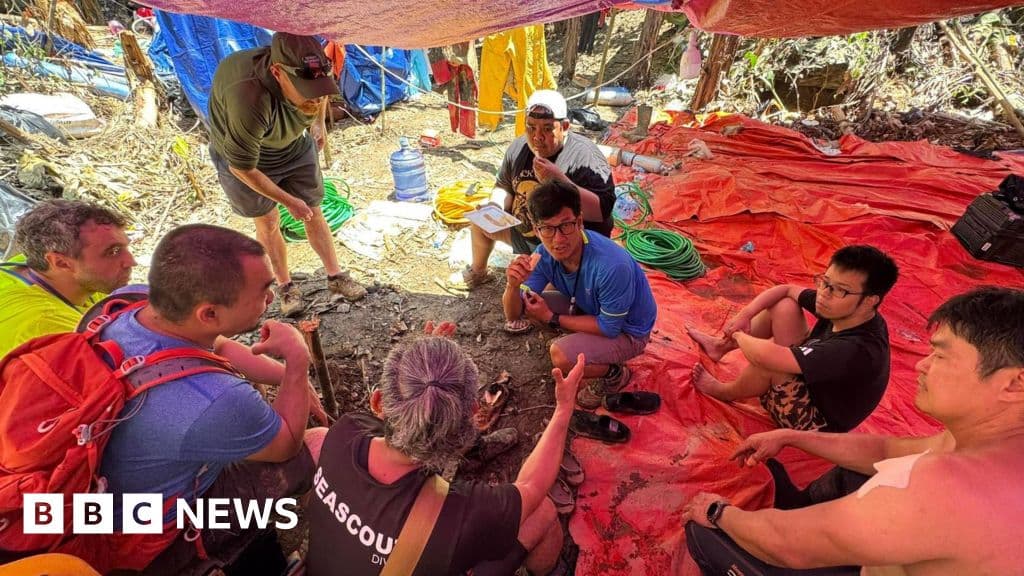
Survivors of the Laos cave rescue are aiding efforts to find the last two missing men trapped inside, sharing crucial insights for the search operation.
BBC World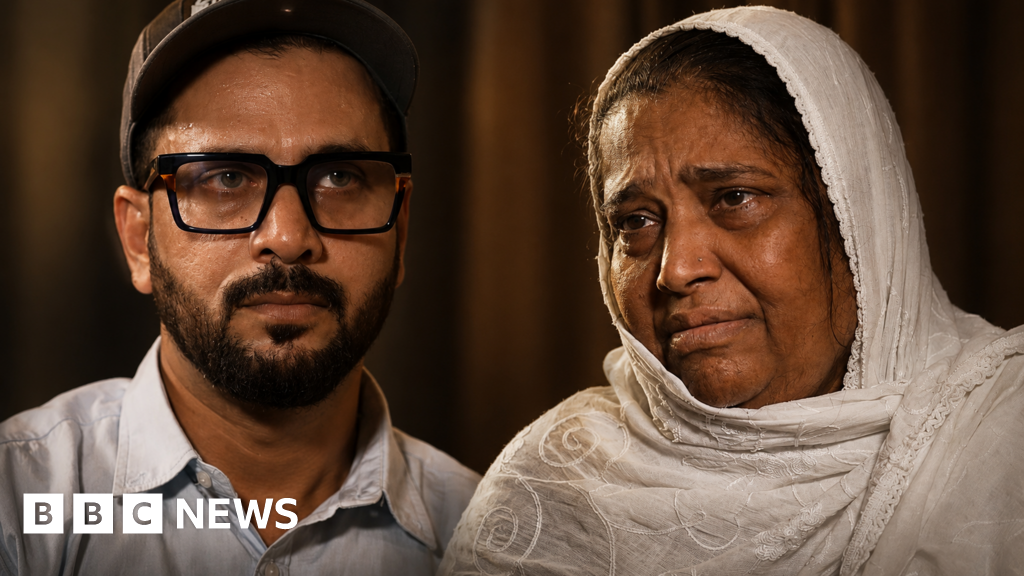
A year after the tragic Air India crash, the Ali family reflects on grief, unanswered questions, and the enduring bonds of love in the face of loss.
BBC Business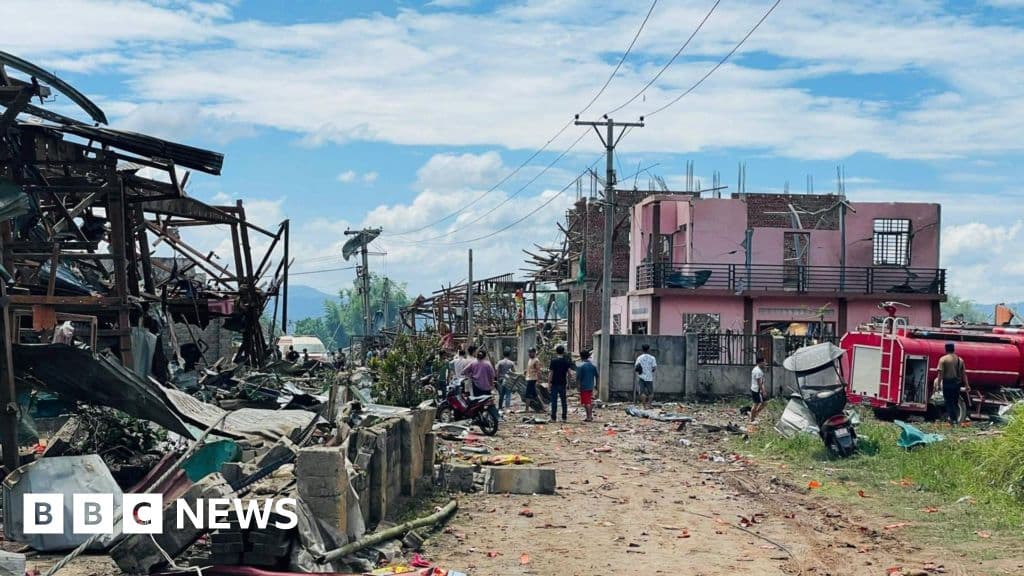
A devastating explosion in Myanmar's Kaung Tat village has killed at least 55 people, raising serious safety concerns and questions about civilian protection in conflict zones.
BBC World