
Image: BBC World
Unfolding tensions in the Strait of Hormuz as Iranian forces allegedly seize ships. Learn why this situation could impact global oil markets and security.
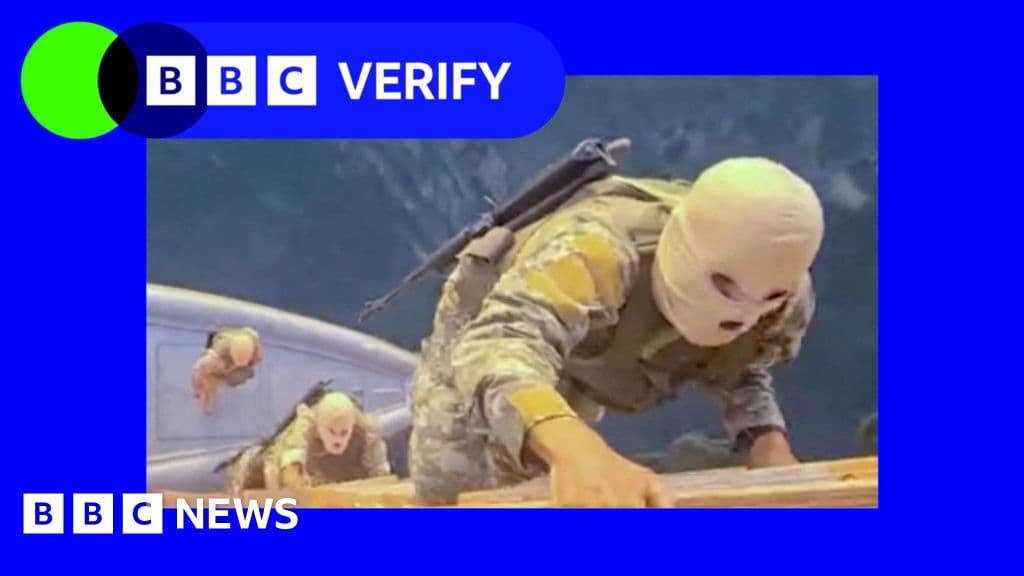
GlipzoIranian state media has released a controversial video that seemingly shows the Islamic Revolutionary Guard Corps boarding two cargo vessels in the strategically vital Strait of Hormuz. This maritime area is crucial for global oil shipments, making any military activity here a matter of international concern.
The footage features small boats, manned by masked and armed personnel, swiftly approaching the MSC Francesca and the Epaminondas. However, a closer examination by BBC Verify raises questions about the authenticity of the claims made by the Iranian government, suggesting that parts of the video may have been recorded hours after the ships were allegedly seized.
This incident comes against a backdrop of escalating tensions in the region, where Iran's actions have created a ripple effect impacting global oil markets and geopolitical stability. As the situation unfolds, it is imperative to understand the implications of such actions and the international response that may follow.
The Strait of Hormuz is not merely a navigational channel; it is one of the world's most critical waterways, facilitating approximately 20% of global oil trade. Control and security in this region have far-reaching effects on global energy prices and political alliances. The Strait’s vulnerability to military intervention makes it a focal point of international maritime strategy.
Iran's recent activities, including the reported seizure of these cargo ships, have highlighted its willingness to exert control over this strategic passage. The Iranian Revolutionary Guard Corps has a history of aggressive posturing in the Strait, often using tactics that involve both the threat of force and actual military maneuvers.
As global powers monitor the situation, the Royal Navy and other international naval forces are weighing their options for ensuring safe passage through the Strait. This scenario not only poses a threat to shipping but also raises questions about the potential for military escalation in an already volatile region.
The seizure of vessels in the Strait of Hormuz can have direct repercussions on international oil markets, potentially causing prices to spike and disrupting supply chains. Trade through the region has already been adversely affected, with reports indicating a slowdown in operations at the Middle East’s largest port as a result of Iran's recent blockade tactics.
Key takeaways from this situation include: - Increased Oil Prices: Any disruption in the Strait could lead to higher prices globally, affecting economies worldwide. - Heightened Military Presence: Countries like the United States and the United Kingdom may increase their naval presence to deter further Iranian provocations. - Potential for Diplomatic Talks: The international community may push for renewed negotiations to de-escalate tensions and ensure the safety of maritime routes.
As tensions rise, eyewitness accounts from the region paint a grim picture of life under constant threat. Reports of violence following the death of a teenage settler underscore the precarious situation not only in Iran but also in neighboring regions like Lebanon, where more than one million people have already been displaced due to ongoing conflicts.
BBC Middle East correspondent Hugo Bachega has been on the ground, capturing the humanitarian impact of these escalations. In his recent reports, families in Beirut shared their harrowing experiences, while Orla Guerin highlighted the critical nature of the waterway under Iranian control. The humanitarian crisis is compounded by the threat of military operations, as Iranian missile strikes have already resulted in civilian casualties.
As we look ahead, the situation in the Strait of Hormuz remains tense and unpredictable. The international community is watching closely, anticipating further developments that could influence both military and diplomatic strategies in the region. Key factors to monitor include: - International Naval Responses: How the U.S. and allies choose to respond to Iranian actions will be pivotal. - Iran’s Military Strategy: Continued military maneuvers in the Strait could provoke further conflict. - Humanitarian Efforts: As civilian casualties rise, there may be increased pressure for humanitarian interventions.
In conclusion, the recent video of Iranian forces boarding cargo ships in the Strait of Hormuz is not just a moment captured on film but a reflection of larger geopolitical dynamics at play. The implications for global trade, regional security, and humanitarian conditions cannot be overstated. As events continue to evolve, stakeholders around the world must remain vigilant and responsive to the unfolding crisis.
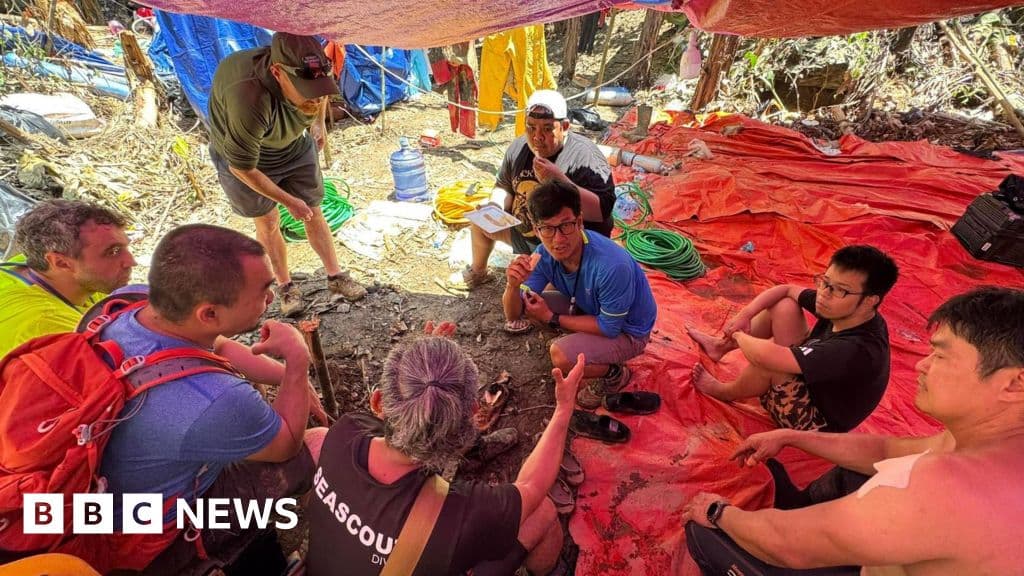
Survivors of the Laos cave rescue are aiding efforts to find the last two missing men trapped inside, sharing crucial insights for the search operation.
BBC World
A year after the tragic Air India crash, the Ali family reflects on grief, unanswered questions, and the enduring bonds of love in the face of loss.
BBC Business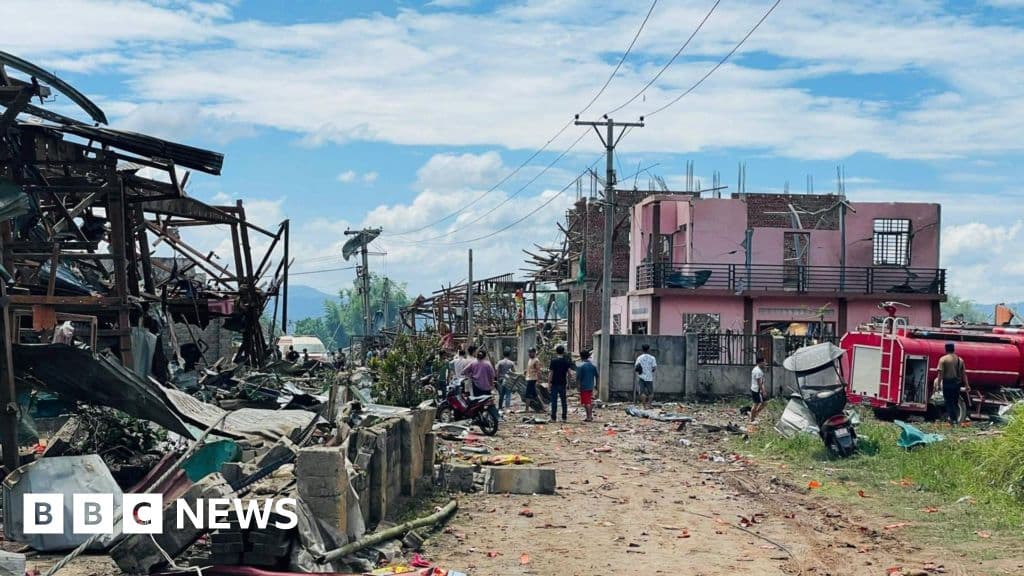
A devastating explosion in Myanmar's Kaung Tat village has killed at least 55 people, raising serious safety concerns and questions about civilian protection in conflict zones.
BBC World