
Image: BBC World
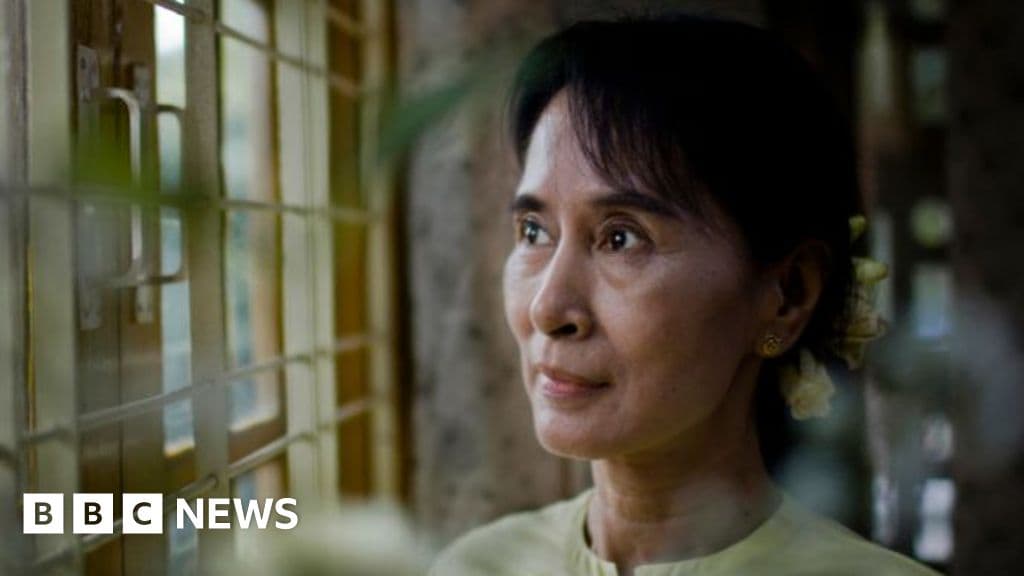
Aung San Suu Kyi has been moved to house arrest by Myanmar's military, raising questions about her future and the regime's motives. What comes next?
GlipzoIn a surprising turn of events, Aung San Suu Kyi, the former leader of Myanmar, has been moved to house arrest, according to reports from the country's state media. This pivotal change comes after she has been detained for over two years since the military coup that ousted her government on February 1, 2021. The 80-year-old Nobel laureate has faced a long and tumultuous path since her removal from power, and the implications of this latest development could be significant for both her and Myanmar’s political landscape.
The announcement was made by Min Aung Hlaing, the military leader behind the coup. He stated that Aung San Suu Kyi's remaining sentence would now be served at a designated residence, a move interpreted by many observers as an attempt to soften the regime's image amid ongoing international scrutiny. This transition could signal a shift in the military’s strategy, aimed at alleviating its isolation on the world stage.
Aung San Suu Kyi rose to prominence in 2015 when she assumed leadership after a period of democratic reforms. However, her tenure was abruptly interrupted when the military seized control, leading to her detention in a location believed to be a military prison in Nay Pyi Taw. Her incarceration marks a stark contrast to her earlier years of political activism, during which she spent over 15 years under house arrest.
Since her arrest, details regarding her health and living conditions have remained largely unknown. Her son, Kim Aris, expressed skepticism regarding the official announcement about her transfer, citing a lack of tangible evidence that she is alive and well. He remarked, "I hope this is true. I still haven't seen any real evidence to show that she has been moved."
The uncertainty surrounding her condition raises critical questions about her well-being and the motivations behind the military's latest move. Many are left wondering if the military is merely attempting to project an image of change without any real intention of releasing her or restoring democratic governance.
The military junta's decision to announce Aung San Suu Kyi’s shift to house arrest may be a strategic maneuver to ease the regime's international isolation. Following a series of military victories against armed opposition groups, Min Aung Hlaing may feel emboldened enough to make this change. Furthermore, the junta recently held an election that restored a semblance of democratic governance, albeit with the same military leaders still firmly in control.
This situation presents a complex web of challenges. On one hand, the military aims to improve its standing both domestically and internationally. On the other hand, the narrative of Aung San Suu Kyi, a symbol of resistance and democracy, cannot be easily dismissed or forgotten.
Aung San Suu Kyi has long been viewed as a beacon of hope and resistance against military oppression. Her dignified stand against the regime during her previous years of house arrest garnered her admiration globally. She was awarded the Nobel Peace Prize in 1991 for her non-violent struggle for democracy and human rights in Myanmar.
However, her reputation suffered greatly after her controversial defense of the military's actions against the Rohingya population at the International Court of Justice. This defense has alienated many of her international supporters and raised questions about her legacy.
The military's recent announcement could potentially pave the way for further changes regarding Aung San Suu Kyi's legal status. As the nation observes the situation closely, the world is left waiting to see whether this move will lead to a genuine shift towards democratization or if it is merely a façade to quell international criticism.
The future of Myanmar remains uncertain, and the implications of Aung San Suu Kyi's house arrest could unfold in various ways. The international community is likely to remain vigilant, advocating for her rights and the restoration of democracy in Myanmar. Observers will be closely monitoring the responses from both the military junta and the international community regarding her situation.
As these questions loom large, the eyes of the world remain fixed on Myanmar, hoping for a resolution that honors the aspirations of its people for genuine democracy and justice.
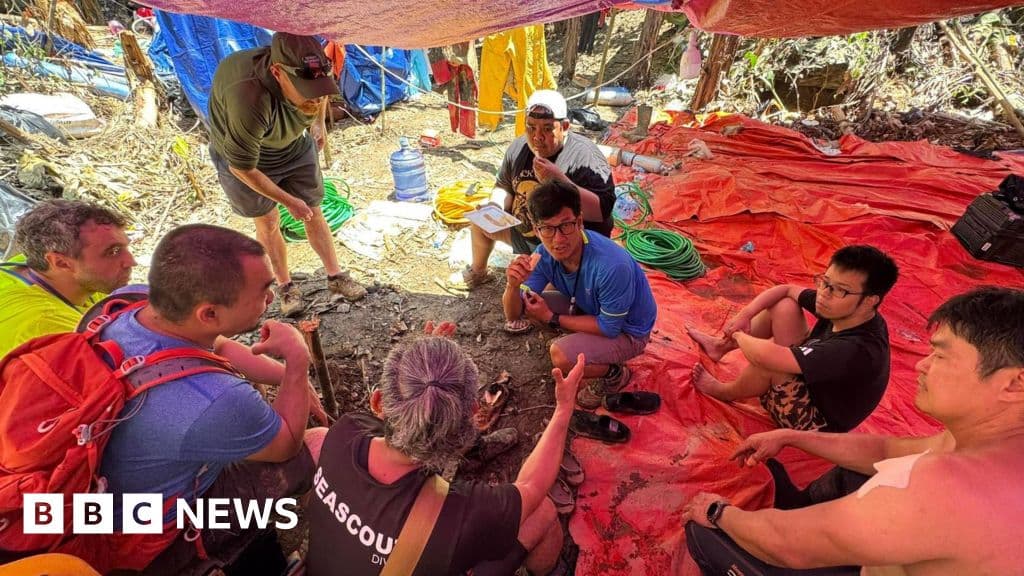
Survivors of the Laos cave rescue are aiding efforts to find the last two missing men trapped inside, sharing crucial insights for the search operation.
BBC World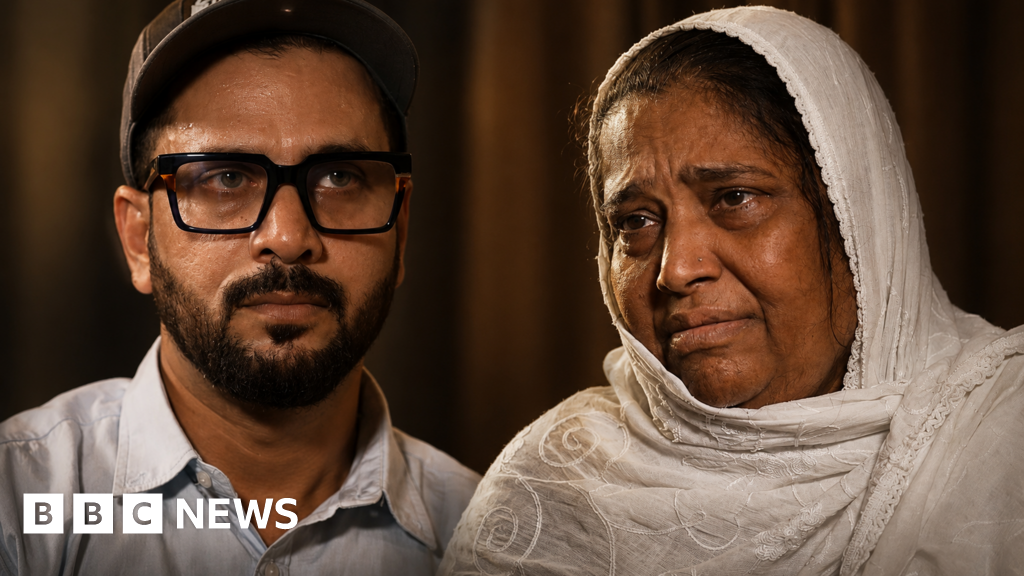
A year after the tragic Air India crash, the Ali family reflects on grief, unanswered questions, and the enduring bonds of love in the face of loss.
BBC Business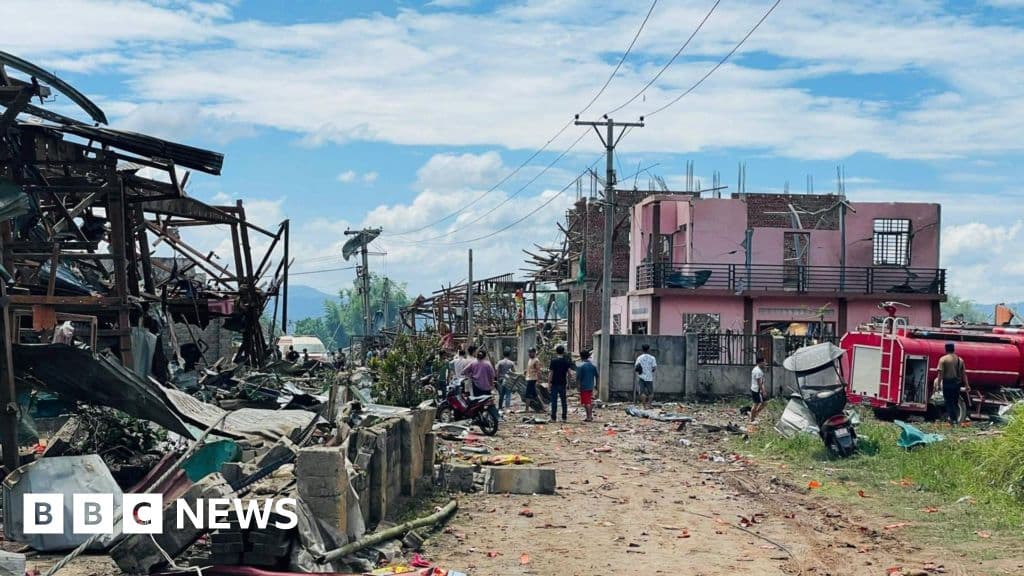
A devastating explosion in Myanmar's Kaung Tat village has killed at least 55 people, raising serious safety concerns and questions about civilian protection in conflict zones.
BBC World