

Image: BBC Business
UK public sector borrowing soared to £24.3 billion in April, its highest since Covid. Explore the implications for the economy and fiscal policy.
GlipzoIn a concerning turn of events for the UK government, public sector borrowing in April soared to levels not seen since the height of the Covid pandemic in 2020. Official figures released reveal that borrowing reached £24.3 billion, marking an increase of £4.9 billion compared to the same month last year. This figure not only surpasses expectations but also highlights the significant economic challenges that lie ahead.
The stark increase in borrowing reflects the widening gap between government income and spending, raising alarms among economists about the sustainability of the UK’s fiscal health. Ruth Gregory, deputy chief UK economist at Capital Economics, emphasized that these figures expose a fragile economic landscape that will confront whoever assumes leadership at 10 Downing Street in the coming months.
Compounding the issue of rising borrowing, recent data indicates that retail sales volumes fell in April at the fastest rate in nearly a year. This downturn was largely attributed to skyrocketing petrol prices, which have dampened consumer demand for fuel. The figures serve as a stark reminder of how external factors, such as energy price fluctuations, can adversely affect household spending and overall economic growth.
Grant Fitzner, chief economist for the Office for National Statistics (ONS), noted that while tax receipts had increased, they were overshadowed by a surge in spending on benefits and other costs. Notably, net social benefits rose by £2.7 billion, primarily driven by inflation-linked increases to various benefits and the state pension.
Adding to the economic pressure, debt interest payments hit a record high for April, totaling £10.3 billion, an increase of £0.9 billion compared to the previous year. This surge in debt servicing costs underscores the mounting financial burden on the government as it grapples with escalating expenses and stagnant revenue growth.
The ongoing Iran conflict has led analysts to downgrade growth projections for the UK economy. Households are now facing heightened fuel bills, and expectations have shifted regarding interest rates, with the Bank of England no longer anticipated to implement rate cuts in the near future.
The outlook for economic growth remains bleak, raising concerns about the government's ability to generate sufficient tax revenues. Despite potential increases from taxes on petrol and North Sea oil and gas, overall tax revenue growth is expected to remain sluggish. Additionally, borrowing costs, as indicated by yields on government bonds (gilts), have experienced significant increases since the onset of the Iran conflict.
Rob Wood, chief UK economist at Pantheon Macroeconomics, warned that if current gilt yields persist, debt interest costs could be approximately £15 billion higher than previously estimated for the fiscal year 2026/27. He attributes rising borrowing costs to political risks and anticipates that these costs will continue to be elevated throughout the year.
In response to the burgeoning cost of living crisis, the UK government has announced several measures aimed at relieving financial pressure on families. These include: - A cut in VAT on tickets for family excursions. - Provision of free bus journeys for under-16s in England during August. - Reductions in import taxes on essential food items. To fund these initiatives, the government is modifying tax regulations for certain UK-based oil and gas companies.
Dennis Tatarkov, senior economist at KPMG UK, highlighted that the diminished growth forecasts will likely result in continued elevated public sector borrowing. This situation may compel the Chancellor to make significant adjustments to fiscal policies leading up to the autumn Budget.
The Office for Budget Responsibility (OBR) had previously projected a £23.6 billion headroom for Chancellor Rachel Reeves against her rule of avoiding borrowing for day-to-day expenses in the next five years. However, these forecasts were delivered prior to the escalation of the Iran conflict, suggesting that the economic landscape may have shifted dramatically since then.
Lucy Rigby, Chief Secretary to the Treasury, asserted that the government is actively working to reduce borrowing and debt, citing a reduction of over £20 billion in government borrowing last year. She emphasized the importance of maintaining fiscal rules to protect families amid the ongoing economic turmoil.
Shadow Chancellor Mel Stride pointed out the troubling reality that debt interest spending has reached unprecedented levels, further underscoring the urgency of addressing the UK’s fiscal challenges.
As the situation unfolds, key indicators to monitor include: - Changes in interest rates from the Bank of England. - Fluctuations in energy prices and their impact on inflation. - Government fiscal policies in response to the rising cost of living. - How political developments, particularly within the Labour party, might influence economic strategy.
With the future of the UK economy hanging in the balance, all eyes will be on how policymakers navigate these turbulent waters in the coming months.
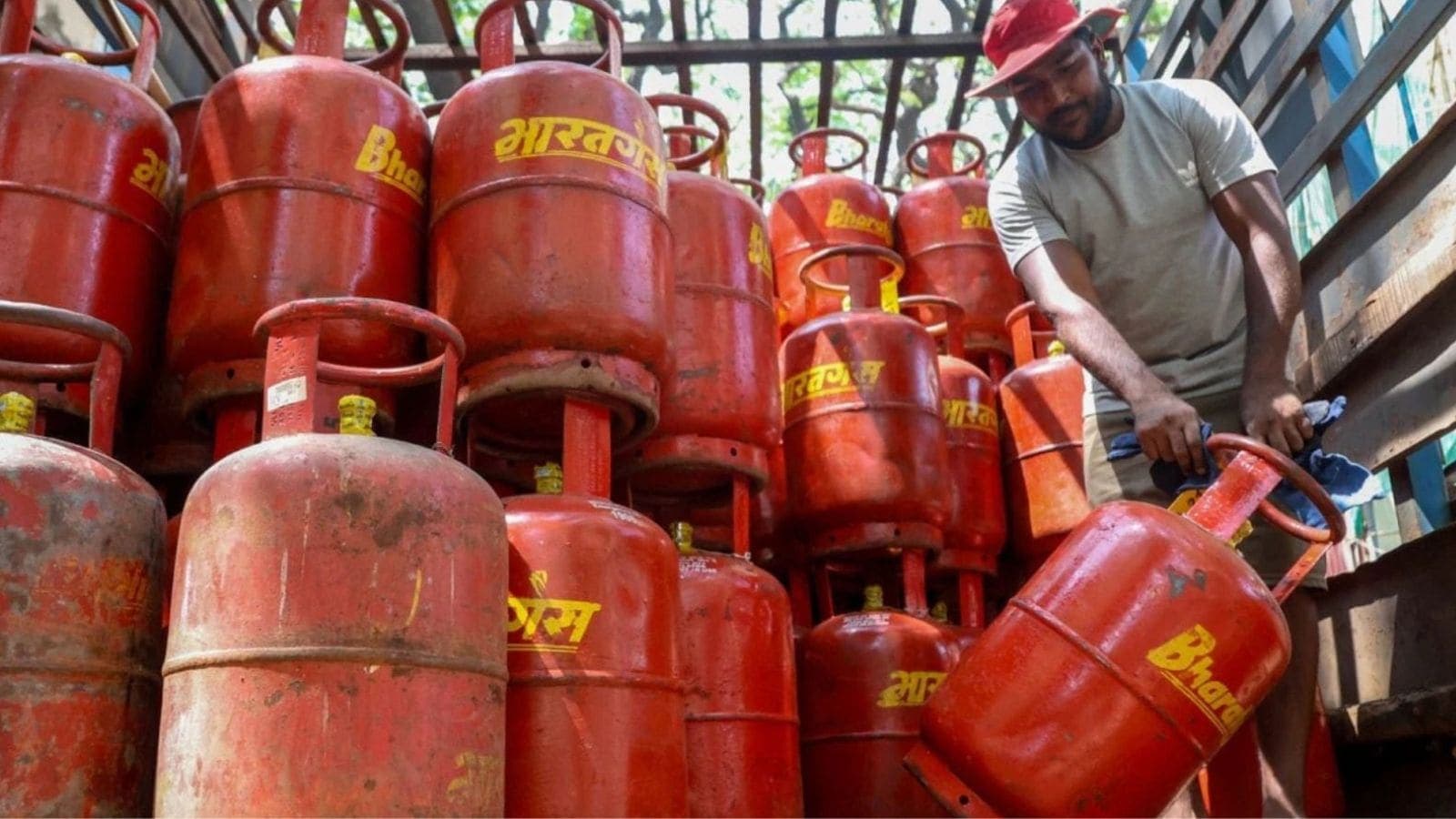
Commercial LPG prices have risen again, with increases of ₹42 in Delhi and ₹53.50 in Kolkata impacting businesses and consumers alike. Find out more.
Indian Express
Discover how a tragic coal mine explosion in Shanxi, China, reveals ongoing safety concerns in the industry amidst a push for green energy.
BBC Business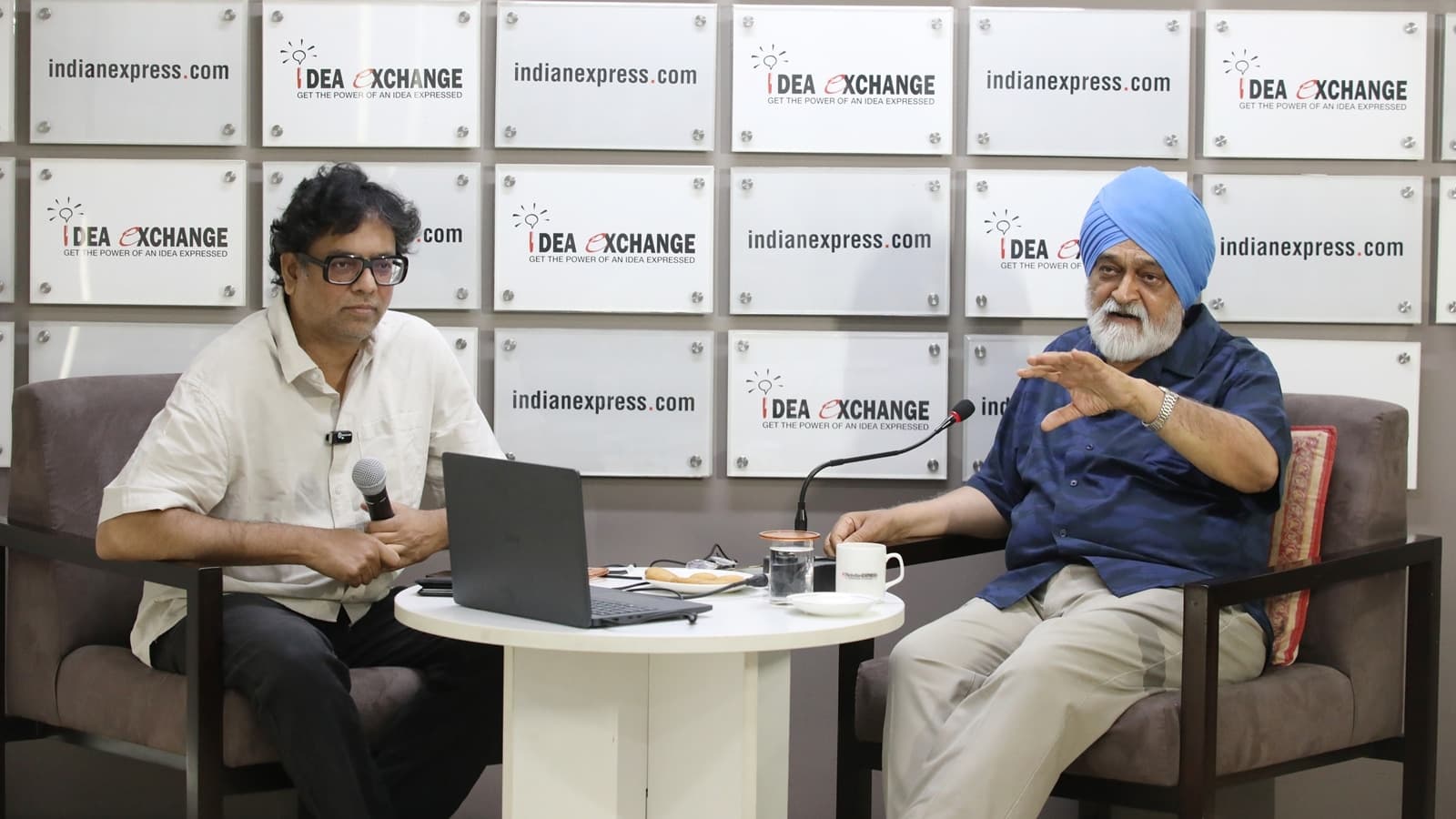
Montek Singh Ahluwalia highlights key economic challenges for India, emphasizing the need for a strategic approach to balance payments and investment.
Indian Express