
Image: BBC Business
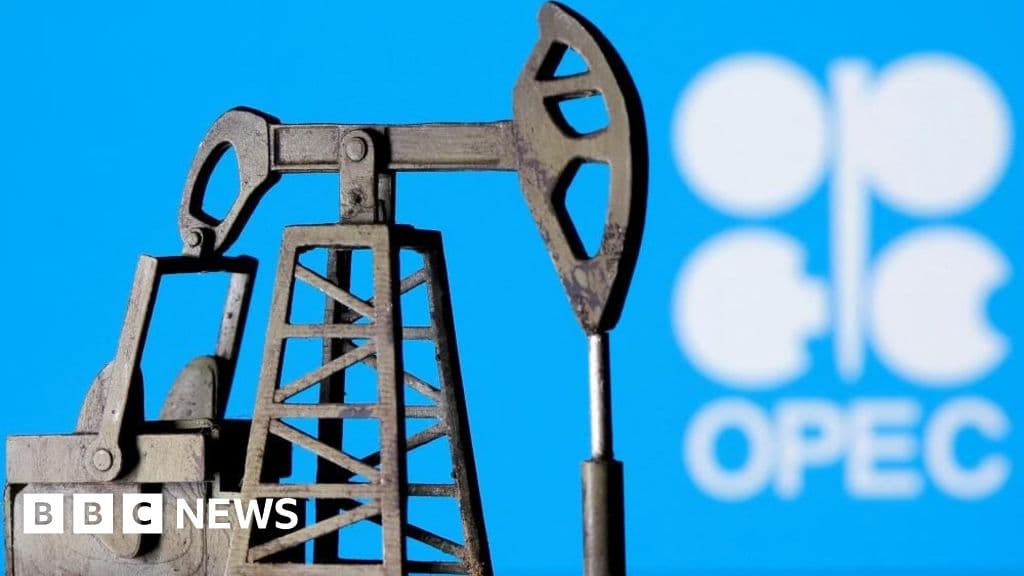
Discover how the UAE's exit from OPEC could reshape global oil markets and prices amidst rising geopolitical tensions. What are the implications?
GlipzoThe United Arab Emirates' decision to depart from the Organization of the Petroleum Exporting Countries (OPEC) is stirring significant concerns in the global oil market. Analysts describe this shift as potentially marking "the beginning of the end of OPEC," highlighting the implications for oil price dynamics and market stability. This announcement comes amidst unprecedented volatility in the oil sector, exacerbated by the ongoing US-Israel tensions with Iran, which have caused substantial disruptions in oil supply chains.
This pivotal moment in energy politics demands a closer examination of how OPEC has influenced oil prices historically and what the UAE's exit means for the future of the organization and global markets. Understanding these changes is crucial, especially as they unfold against a backdrop of geopolitical strife that could reshape energy consumption and production worldwide.
Founded in 1960, OPEC was established by five nations: Iran, Iraq, Kuwait, Saudi Arabia, and Venezuela. The primary goal of OPEC is to safeguard the interests of its member countries by coordinating oil production to stabilize revenues and manage pricing. Over the years, the membership has expanded to include nations like Algeria, Nigeria, Libya, and more recently, the Republic of the Congo.
In response to fluctuating oil prices, OPEC formed an alliance with ten additional oil-producing nations, including Russia, to create the wider OPEC+ coalition in 2016. This partnership aims to bolster control over oil output, thereby impacting global prices directly. The organization has employed various strategies, adjusting production levels to manipulate supply in order to stabilize or influence market prices.
OPEC's history is marked by several key events that showcase its influence over the oil market: - 1973 Oil Embargo: Arab oil producers imposed an embargo on countries supporting Israel during the Yom Kippur War, leading to a dramatic increase in oil prices. - 1979 Iranian Revolution: This event resulted in another oil shock, further underscoring OPEC's ability to manipulate supply. - COVID-19 Pandemic: In response to the crash in oil demand, OPEC+ drastically cut production to prevent prices from plummeting. - Russia's Invasion of Ukraine: Following this event, OPEC's response was cautious, initially pledging slight increases in output.
These instances illustrate how OPEC has historically navigated crises, influencing global oil prices through coordinated production decisions. However, the organization's effectiveness has varied, often hampered by member compliance issues.
As the world’s third-largest oil exporter in 2025, the UAE's role in OPEC is significant. According to OPEC data, the UAE produced approximately 3.1 million barrels per day in 2025, following Saudi Arabia and Iraq. The UAE's potential exit raises questions about production levels: experts suggest that without OPEC constraints, the UAE could boost its output by an estimated one million barrels daily.
Despite its substantial production capacity, experts like Maurizio Carulli, a global energy analyst at Quilter Cheviot, indicate that the immediate impact of the UAE's departure on global oil exports will be minimal. The UAE remains a crucial player, but its exit suggests a shift in the balance of power within OPEC.
Recent geopolitical events have altered the landscape of global oil supply. The Strait of Hormuz, a critical passageway for oil and liquefied natural gas, has been closed for several weeks, further complicating supply chains. As tensions escalate, oil prices are likely to remain volatile.
OPEC's relevance in international markets is also waning. The organization's share of global crude oil production has decreased significantly, from 52.5% in 1973 to just 36.7% in 2025. The diminishing importance of oil to the global economy has also contributed to this decline in influence.
The UAE's decision to leave OPEC could signal a transformative phase for the organization. As the oil landscape evolves, OPEC's ability to manage production and influence prices may be further challenged. This development raises several critical questions: - How will OPEC adapt its strategies in response to diminished membership? - Can remaining members maintain cohesion and compliance in production agreements? - What will be the long-term impacts on global oil prices and supply stability?
The UAE's departure may embolden other nations to consider similar paths, particularly if they see opportunities for increased production and revenue outside of OPEC's regulatory framework.
As the situation develops, market observers should watch for: - Changes in UAE production levels post-OPEC exit and its implications for global supply. - The potential for other OPEC nations to follow suit, impacting the organization’s future. - How global market dynamics evolve amidst ongoing geopolitical tensions.
The exit of the UAE from OPEC is not just a moment of internal strife within the organization; it represents a potential paradigm shift in global oil markets, prompting a re-evaluation of how oil is produced, priced, and consumed in an increasingly complex environment. The evolution of OPEC and its member states will be crucial in determining the future trajectory of oil prices and global energy policies.
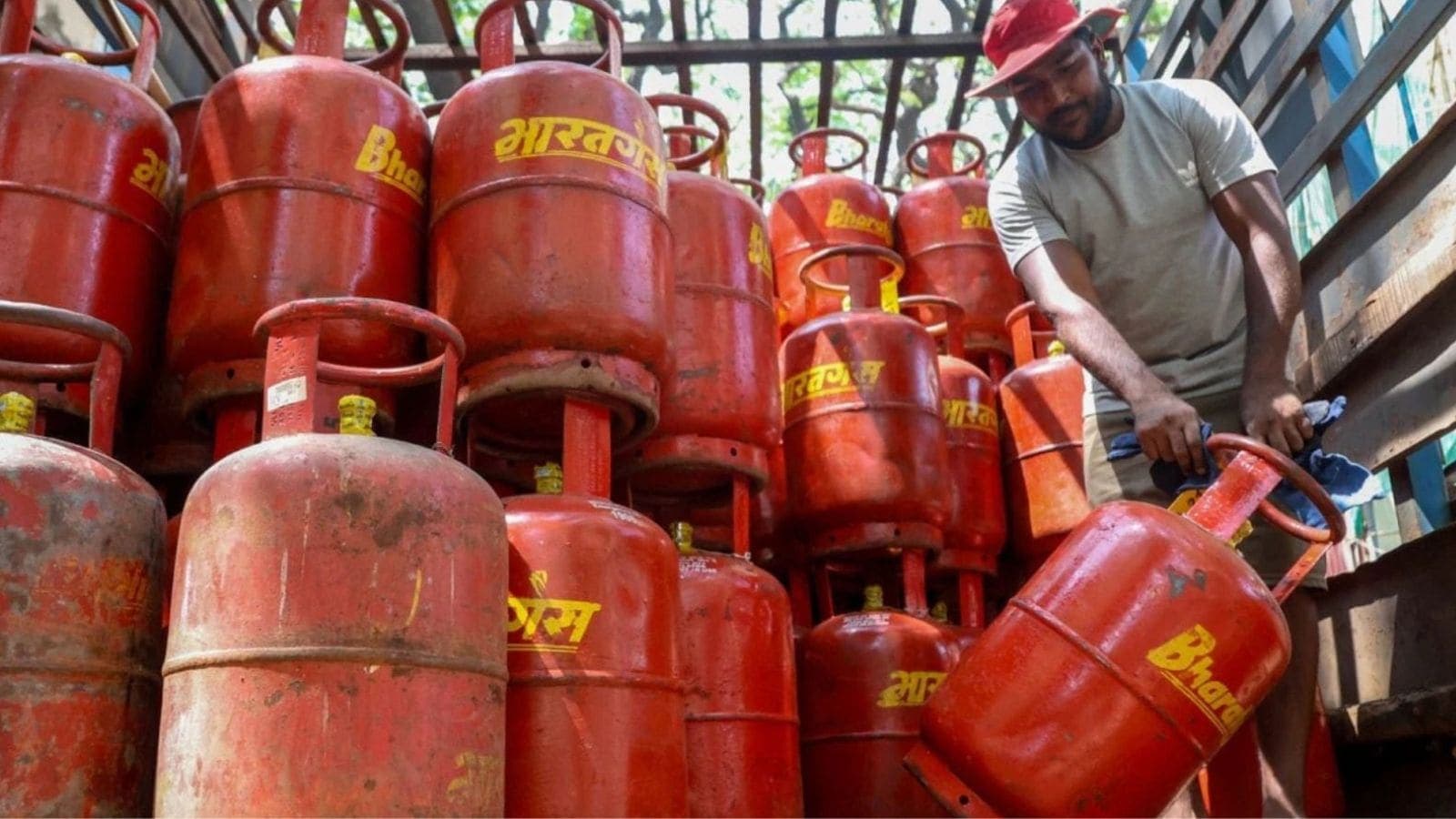
Commercial LPG prices have risen again, with increases of ₹42 in Delhi and ₹53.50 in Kolkata impacting businesses and consumers alike. Find out more.
Indian Express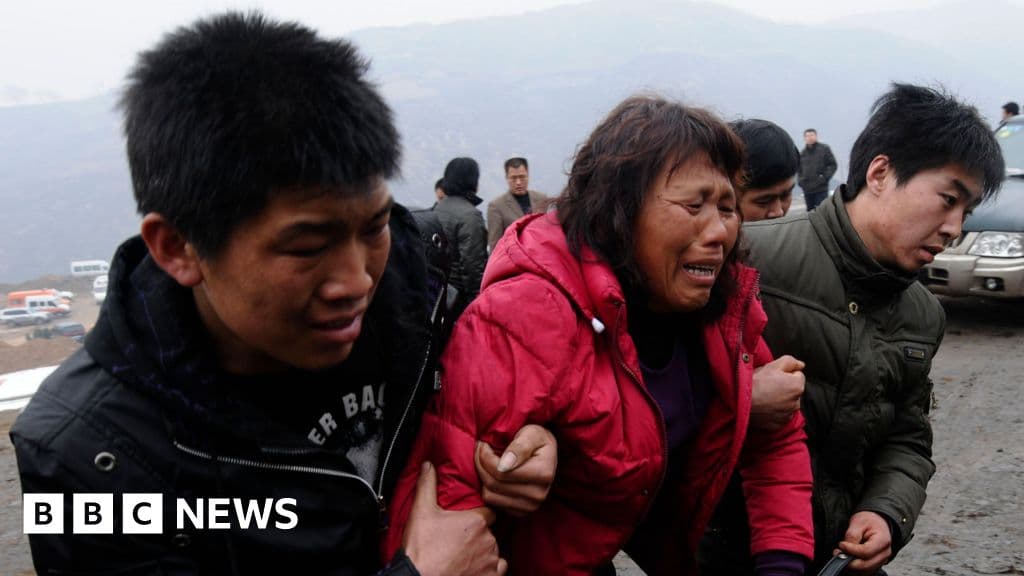
Discover how a tragic coal mine explosion in Shanxi, China, reveals ongoing safety concerns in the industry amidst a push for green energy.
BBC Business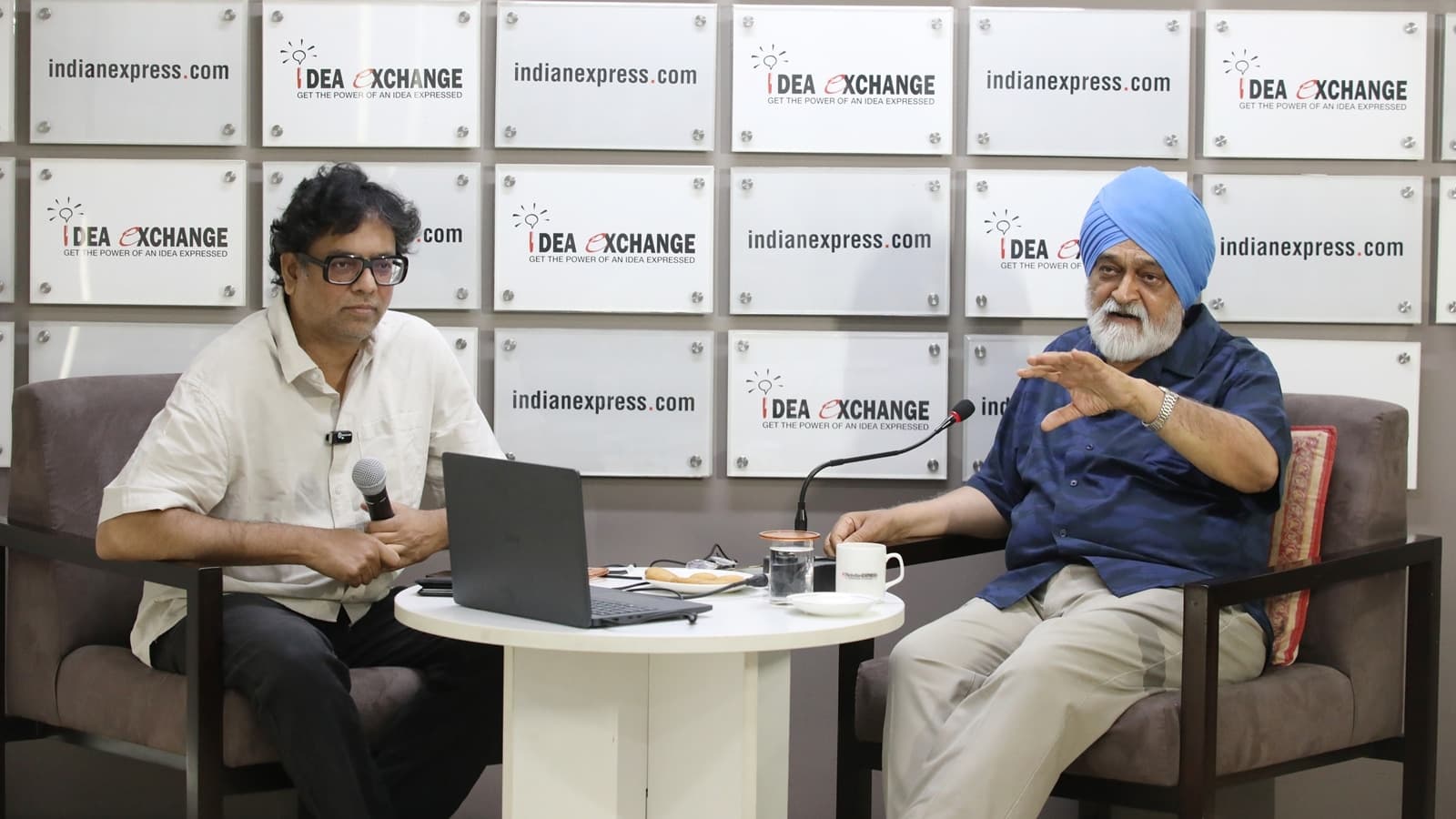
Montek Singh Ahluwalia highlights key economic challenges for India, emphasizing the need for a strategic approach to balance payments and investment.
Indian Express