

Image: Mint (Business)
Discover how one woman's journey from ₹15,000 to ₹2.5 lakh reveals the truth about happiness and income perception. Click to learn more!
GlipzoIn a world driven by income comparisons and salary expectations, one woman’s experience sheds light on the deeper connection between money and happiness. Sakshi, a corporate professional, recently shared her journey on social media, emphasizing that personal satisfaction is not solely tied to the numbers on a paycheck. Her story has sparked a significant conversation about the true value of work and the perceptions we hold about income.
Sakshi began her career earning ₹15,000 per month and described this period as one of her happiest times. Despite her modest salary, she felt fulfilled and content. However, as her earnings gradually increased to ₹1.5 lakh and then to ₹2.5 lakh, she found herself trapped in a cycle of comparison and dissatisfaction.
"No money or salary is less; it's about your perception of how you want to live life," Sakshi expressed, highlighting a crucial mindset shift. She realized that the constant comparison with peers led to her feelings of inadequacy, overshadowing the joys of her accomplishments.
In a bold move, Sakshi decided to leave her stable job, a decision that initially left her struggling without a paycheck. "That zero salary at month-end hit me hard," she recalled, but it also sparked a transformation in her perspective.
Her experience during this period taught her the value of pursuing work that aligns with personal passions rather than societal expectations. Sakshi’s story resonates with many who face the pressures of high salaries and corporate success, reminding them to focus on their own definitions of happiness.
Sakshi's post prompted a wave of reactions, igniting discussions around income, happiness, and societal pressures. One user eloquently stated, "It's far better to have a modest 'lifestyle-adjusted' income doing something that fuels your curiosity than to be a miserable high-earner suffering from 'comparison fatigue.' True wealth is the ability to ignore the scoreboard." This sentiment encapsulates a growing realization that fulfillment comes from within, rather than from external validations.
Another user added, “That zero-salary phase hits different, though. It really forces you to rethink what actually matters.” This highlights the transformative power of financial hardship in reshaping one’s values and priorities.
The conversation surrounding Sakshi's insights also brought attention to Seema Purohit, who shared a similar narrative. In a viral video, Purohit reflected on her early, low-paying job, which brought her immense joy compared to her current high-paying position in Dubai.
Purohit candidly described her journey through the “race” of chasing better opportunities and higher salaries, acknowledging that despite her success, she felt a void where her earlier fulfillment resided. Her story echoes Sakshi's sentiments, emphasizing that the pursuit of money does not guarantee satisfaction or happiness.
These shared experiences highlight a crucial societal issue: the relentless chase for higher salaries often overshadows the simple joys of work. Both Sakshi and Purohit remind us that personal satisfaction can be found in passion-driven careers, regardless of their financial rewards.
As more individuals share their stories, it prompts a collective re-evaluation of what success truly means. Are we measuring our worth by our bank accounts, or are we considering our happiness and fulfillment in our chosen paths?
As this dialogue continues to gain traction online, it’s essential to observe how it influences workplace cultures and individual career choices. Many are beginning to prioritize job satisfaction over financial gain, seeking roles that align with their values and passions.
This shift could lead to a broader acceptance of diverse career paths, where income is not the sole indicator of success. Companies may also start recognizing the importance of employee satisfaction and wellness, leading to more supportive work environments.
In conclusion, the stories of Sakshi and Seema serve as powerful reminders that true happiness often lies beyond the numbers—it's rooted in personal fulfillment, purpose, and the choices we make in our professional lives. As these narratives continue to unfold, we may witness a transformative change in how we perceive work, wealth, and well-being in society.
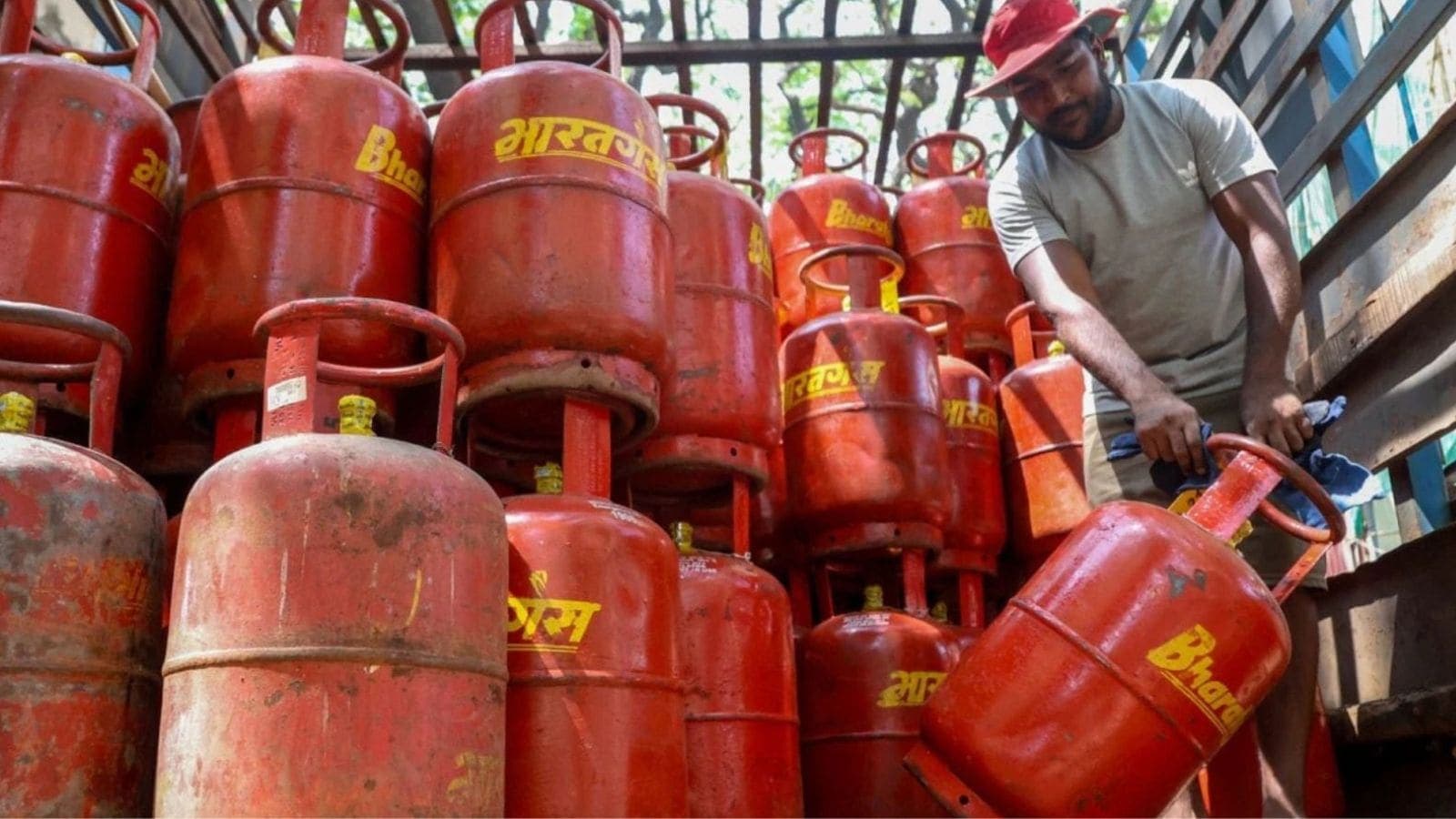
Commercial LPG prices have risen again, with increases of ₹42 in Delhi and ₹53.50 in Kolkata impacting businesses and consumers alike. Find out more.
Indian Express
Discover how a tragic coal mine explosion in Shanxi, China, reveals ongoing safety concerns in the industry amidst a push for green energy.
BBC Business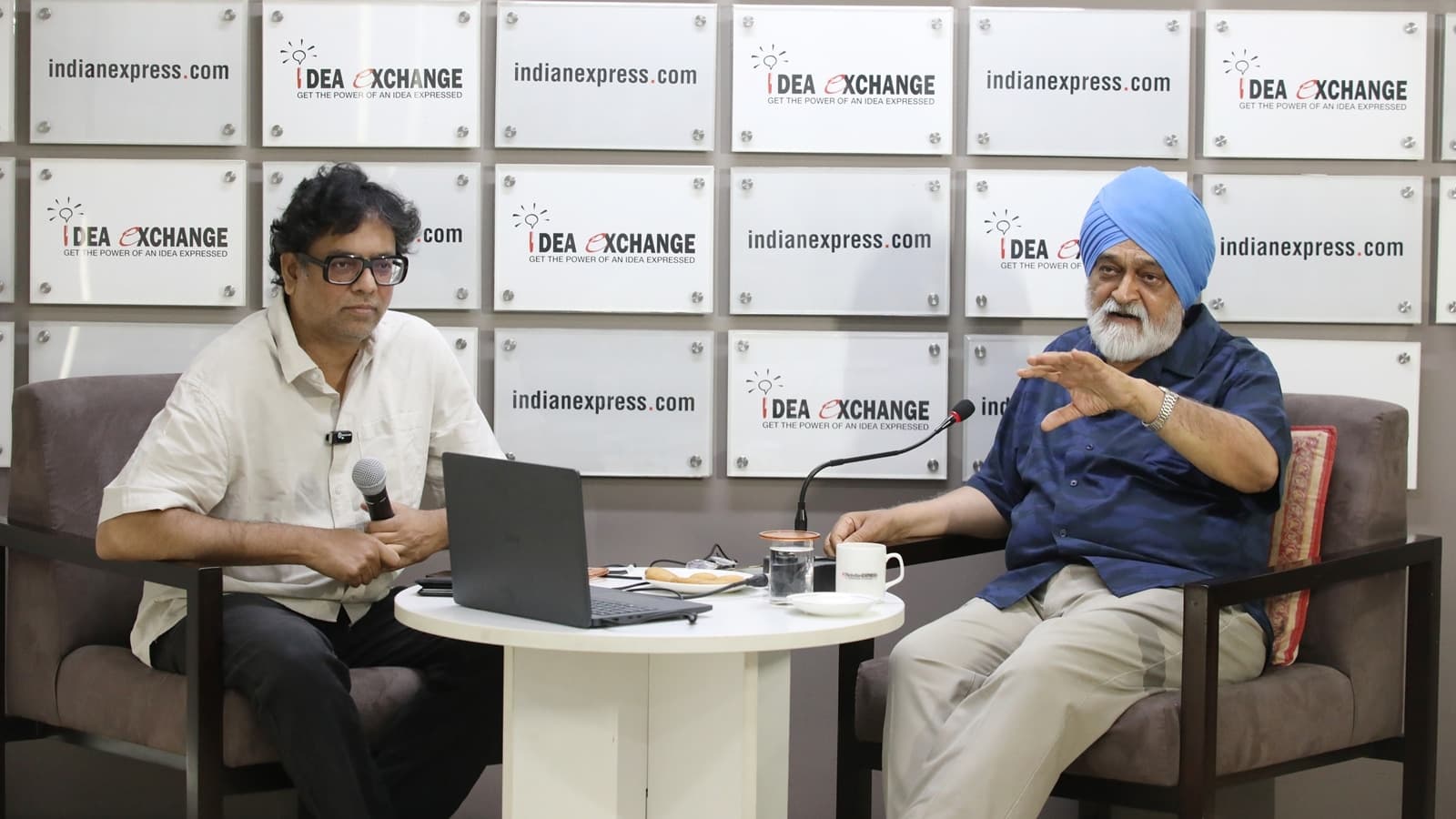
Montek Singh Ahluwalia highlights key economic challenges for India, emphasizing the need for a strategic approach to balance payments and investment.
Indian Express