Glipzo
WorldTechnologyBusinessSportsEntertainmentScienceHealthPolitics
Glipzo
WorldTechnologyBusinessSportsEntertainmentScienceHealthPolitics
  1. Home
  2. /
  3. Business
  4. /
  5. Shocking Truth Behind DoorDash's New AI Gig Work App
Shocking Truth Behind DoorDash's New AI Gig Work App

Image: Wired

Business
Saturday, March 21, 20265 min read

Shocking Truth Behind DoorDash's New AI Gig Work App

Discover the implications of DoorDash's new Tasks app, designed for AI training. What does this mean for the future of gig work? Click to find out!

Glipzo News Desk|Source: Wired
Share
Glipzo

Key Highlights

  • DoorDash's Tasks app collects video data for AI training.
  • Users perform simple chores while being recorded for AI models.
  • Tasks range from laundry to cooking eggs and language conversations.
  • The app's future raises concerns about job security in gig work.
  • Is human labor becoming a tool for AI development?

In this article

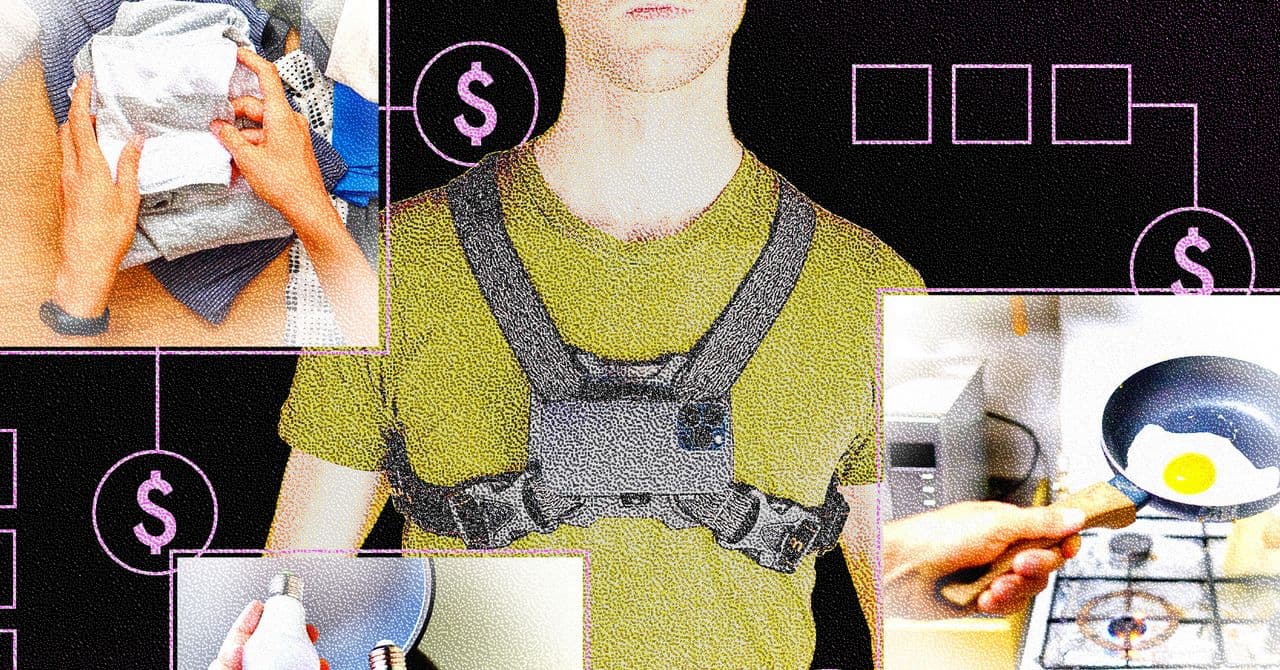
  • Exploring DoorDash's Innovative Tasks App In a bid to redefine gig work, DoorDash has unveiled its latest app, **Tasks**, designed not for food delivery but rather for gathering training data essential for advancing **AI** and robotics. Launched recently, the Tasks app focuses on collecting video data to enhance AI models and humanoid robots' understanding of the physical world. This innovative approach raises questions about the future of gig work in the age of automation.
  • What Tasks Can You Expect? Upon signing up as a “dasher” and downloading the Tasks app, users are greeted with a series of task options. The initial onboarding task is simple—film yourself moving three objects from one place to another. As a reward for completing this, users receive a complimentary smartphone body mount, which aids in fulfilling more complex gigs.
  • Compliance and Safety Rules DoorDash has laid out a clear set of rules for users engaging in these tasks. **Prohibited actions** include: - Recording minors or capturing personal data without consent. - Filming in restricted areas such as hospitals, schools, or military bases.
  • My First Experience with Tasks Curious about how well the app would perform, I decided to tackle my first task: loading laundry into the washer. This chore, which paid **$15 an hour** for a maximum duration of **20 minutes**, required me to capture every article of clothing on camera. However, without the body mount yet, I managed by holding the phone in landscape mode.
  • The Broader Implications of AI Gig Work DoorDash's Tasks app is indicative of a significant shift in the gig economy. As traditional jobs evolve, such platforms may represent a future where humans are primarily seen as tools for training AI systems. This phenomenon raises essential questions about the nature of work and the value of human labor in an increasingly automated world.
  • What Lies Ahead for the Gig Economy? As DoorDash plans to expand the Tasks app, the gig economy may witness a transformation. The potential for users to earn money while contributing to AI development is appealing, but it also points to a troubling future for work. Will more companies adopt similar models, and what will that mean for job security?
  • Conclusion: A Fork in the Road The launch of DoorDash's Tasks app represents a pivotal moment in the gig economy, blurring the lines between traditional work and AI-driven tasks. As technology advances, what remains to be seen is how gig workers will navigate this new terrain and whether they will be able to secure a future where their labor is valued beyond mere data collection.

Exploring DoorDash's Innovative Tasks App In a bid to redefine gig work, DoorDash has unveiled its latest app, **Tasks**, designed not for food delivery but rather for gathering training data essential for advancing **AI** and robotics. Launched recently, the Tasks app focuses on collecting video data to enhance AI models and humanoid robots' understanding of the physical world. This innovative approach raises questions about the future of gig work in the age of automation.

The Tasks app requires users to complete various chores and tasks while recording themselves through their smartphones. According to DoorDash’s official statement, this initiative aims to gather data that assists AI and robotics in comprehending and interacting with their environment more effectively. Each task comes with upfront payment details, reflecting the complexity and effort involved.

What Tasks Can You Expect? Upon signing up as a “dasher” and downloading the Tasks app, users are greeted with a series of task options. The initial onboarding task is simple—film yourself moving three objects from one place to another. As a reward for completing this, users receive a complimentary smartphone body mount, which aids in fulfilling more complex gigs.

The available tasks fall into five primary categories: - Household Chores: This includes simple tasks like making beds or loading dishes, as well as more labor-intensive activities like repotting plants. - Handiwork Projects: Tasks range from changing lightbulbs to pouring cement. - Cooking Tasks: Most cooking jobs focus on egg preparation, including frying and scrambling. - Location Navigation: Users may need to explore various settings, such as museums or residential complexes. - Language Conversations: Engage in natural dialogues in languages like Russian and Mandarin Chinese.

Compliance and Safety Rules DoorDash has laid out a clear set of rules for users engaging in these tasks. **Prohibited actions** include: - Recording minors or capturing personal data without consent. - Filming in restricted areas such as hospitals, schools, or military bases.

These guidelines are designed to safeguard both the users and the privacy of individuals who may inadvertently appear in the recordings.

My First Experience with Tasks Curious about how well the app would perform, I decided to tackle my first task: loading laundry into the washer. This chore, which paid **$15 an hour** for a maximum duration of **20 minutes**, required me to capture every article of clothing on camera. However, without the body mount yet, I managed by holding the phone in landscape mode.

While the task was straightforward, I encountered frustration when the app beeped, signaling that my hands were not adequately visible in the frame. Despite this minor annoyance, I persisted, capturing each item of clothing as I loaded them into the washer.

The Broader Implications of AI Gig Work DoorDash's Tasks app is indicative of a significant shift in the gig economy. As traditional jobs evolve, such platforms may represent a future where humans are primarily seen as tools for training AI systems. This phenomenon raises essential questions about the nature of work and the value of human labor in an increasingly automated world.

The implications for gig workers are profound, as they may find themselves competing with machines and algorithms that can perform similar tasks. This trend may lead to a new form of job insecurity, where human workers are relegated to roles that primarily serve to enhance technology rather than provide independent value.

What Lies Ahead for the Gig Economy? As DoorDash plans to expand the Tasks app, the gig economy may witness a transformation. The potential for users to earn money while contributing to AI development is appealing, but it also points to a troubling future for work. Will more companies adopt similar models, and what will that mean for job security?

The Tasks app is currently not available in major markets like California, New York City, Seattle, and Colorado, raising curiosity about the app's future rollout and how it may adapt to various regulatory landscapes.

As we look ahead, it will be crucial to monitor: - How DoorDash and other companies balance the need for human data with ethical labor practices. - The responses from gig workers and their adaptation to this new landscape. - The evolution of AI technology and its impact on employment sectors.

Conclusion: A Fork in the Road The launch of DoorDash's Tasks app represents a pivotal moment in the gig economy, blurring the lines between traditional work and AI-driven tasks. As technology advances, what remains to be seen is how gig workers will navigate this new terrain and whether they will be able to secure a future where their labor is valued beyond mere data collection.

As this trend unfolds, the critical question remains: are we moving toward a world where human labor is essential for AI growth, or are we paving the way for a future dominated by machines?

Did you find this article useful? Share it!

Share

Related Articles

UK Fuel Prices Drop After Weeks of Increases Amid Crisis
Business
Apr 18, 2026

UK Fuel Prices Drop After Weeks of Increases Amid Crisis

UK fuel prices finally dip after weeks of increases tied to the US-Israel war. What does this mean for drivers? Read on to find out more!

BBC Business
Oil Prices Dive as Iran Declares Strait of Hormuz 'Open'
Business
Apr 18, 2026

Oil Prices Dive as Iran Declares Strait of Hormuz 'Open'

Oil prices dropped sharply after Iran stated the Strait of Hormuz is open for commercial traffic during the ceasefire in the US-Israel conflict.

BBC Business
Major Mortgage Rate Cuts Offer Hope Amid Iran War Fallout
Business
Apr 18, 2026

Major Mortgage Rate Cuts Offer Hope Amid Iran War Fallout

Major mortgage lenders are cutting rates, easing burdens for first-time buyers impacted by the Iran war. What does this mean for the housing market?

BBC Business

Categories

  • World
  • Technology
  • Business
  • Sports

More

  • Entertainment
  • Science
  • Health
  • Politics

Explore

  • Web Stories
  • About Us
  • Contact

Legal

  • Privacy Policy
  • Terms of Service

© 2026 Glipzo. All rights reserved.