
Image: BBC World
A devastating train blast in Quetta, Pakistan, claims 20 lives and injures dozens. What does this mean for the ongoing violence in Balochistan?
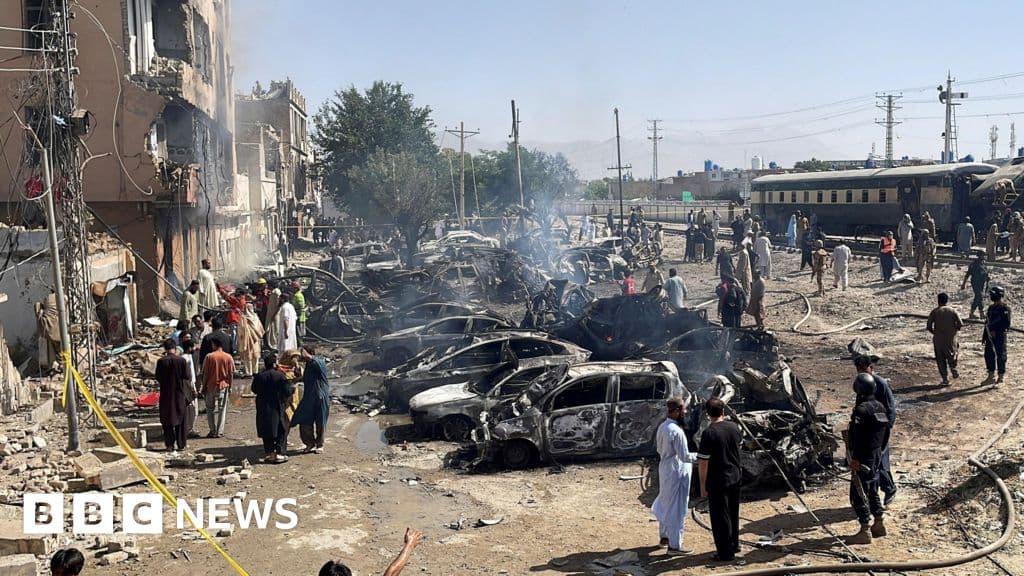
GlipzoIn a tragic incident that has left the nation reeling, at least 20 individuals lost their lives, and over 70 more sustained injuries in a devastating explosion targeting a train transporting military personnel in Quetta, Pakistan. The blast occurred on Sunday morning, specifically at the Chaman Phatak station in the Balochistan province, a region already grappling with ongoing violence.
Eyewitness accounts reveal that the train was in motion, carrying service members and their families returning home for the Eid holiday when the explosion erupted. Naseer Ahmed, a local resident, expressed his shock, stating, "The train was moving, and there were passengers on board when the explosion occurred," adding that the blast shattered the windows of his home.
According to railway officials, the explosion was powerful enough to derail three coaches and the engine, while two other coaches were overturned. Images captured at the scene depict horrific destruction, with burnt-out carriages and bomb damage evident on nearby buildings. The Balochistan Liberation Army (BLA) has been identified as the group responsible for this act, which authorities believe was a suicide bombing.
The BLA has previously claimed responsibility for similar attacks, particularly targeting trains in the region. This incident marks a continuation of the violence that has plagued Balochistan, a province rich in mineral resources but often marginalized in terms of economic benefits. The attack has raised concerns about the safety of railway transportation in an area where militants have frequently targeted public transport.
In response to this horrific event, Pakistan's Prime Minister, Shehbaz Sharif, condemned the attack, labeling it as a cowardly act of terrorism. He emphasized that such actions would not undermine the resilience of the Pakistani people. "The entire nation stands in solidarity with the people of Balochistan in this hour of grief," he stated, reflecting the collective sorrow and determination to overcome such tragedies.
An emergency has been declared in hospitals across Quetta to accommodate the influx of victims requiring urgent medical attention. Authorities are on high alert as they assess the situation, with fears that the death toll may rise as more information becomes available and as injured individuals receive treatment.
Balochistan, which occupies nearly 44% of Pakistan's total land area, is a region marked by ongoing conflict and unrest. It shares borders with both Iran and Afghanistan, adding to the complexities of its security challenges. The BLA, which has long accused the federal government of exploiting the province's rich resources without providing adequate benefits to its residents, has engaged in a violent campaign for greater autonomy and rights for the Baloch people.
In recent months, tensions have escalated in the region, with a significant spike in violence leading to numerous casualties. Back in February, clashes between BLA fighters and Pakistani security forces resulted in the deaths of 31 civilians, highlighting the deteriorating security situation in Balochistan.
As Pakistan grapples with this latest tragedy, the implications for security and public safety in Balochistan are profound. The incident raises pressing questions about the effectiveness of current measures to protect civilians and military personnel alike in a region beset by violence.
Moving forward, several key factors will shape the response to this attack: - Increased Security Measures: Authorities are likely to bolster security protocols for transportation networks, especially those involving military personnel. - Heightened Military Operations: Expect an uptick in military operations against the BLA and other militant groups in Balochistan as the government seeks to reclaim control and safeguard its citizens. - Public Sentiment and Policy Change: This incident could spur public demand for more robust policies addressing the socio-economic grievances of the Baloch people, which may help mitigate future violence.
The Balochistan Liberation Army's continued targeting of civilian and military entities indicates a persistent threat, and unless substantive changes occur, more tragedies could unfold. As the nation mourns, the call for justice and security resonates louder than ever.
This tragic event underscores a critical moment for Pakistan, where the balance between national security and regional autonomy remains fragile. The coming weeks will be pivotal in determining how the government and society respond to this tragedy and the ongoing conflict in Balochistan.
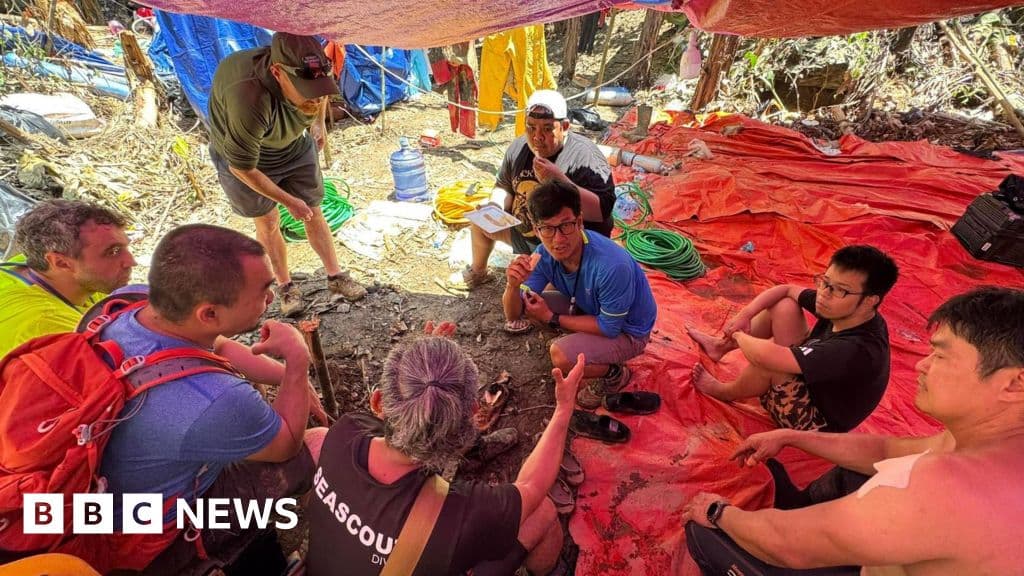
Survivors of the Laos cave rescue are aiding efforts to find the last two missing men trapped inside, sharing crucial insights for the search operation.
BBC World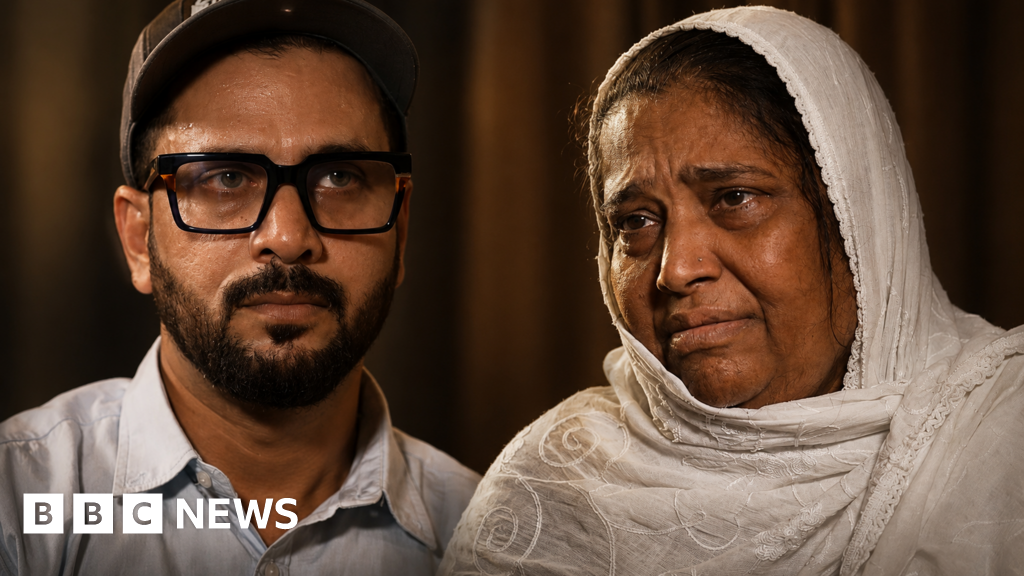
A year after the tragic Air India crash, the Ali family reflects on grief, unanswered questions, and the enduring bonds of love in the face of loss.
BBC Business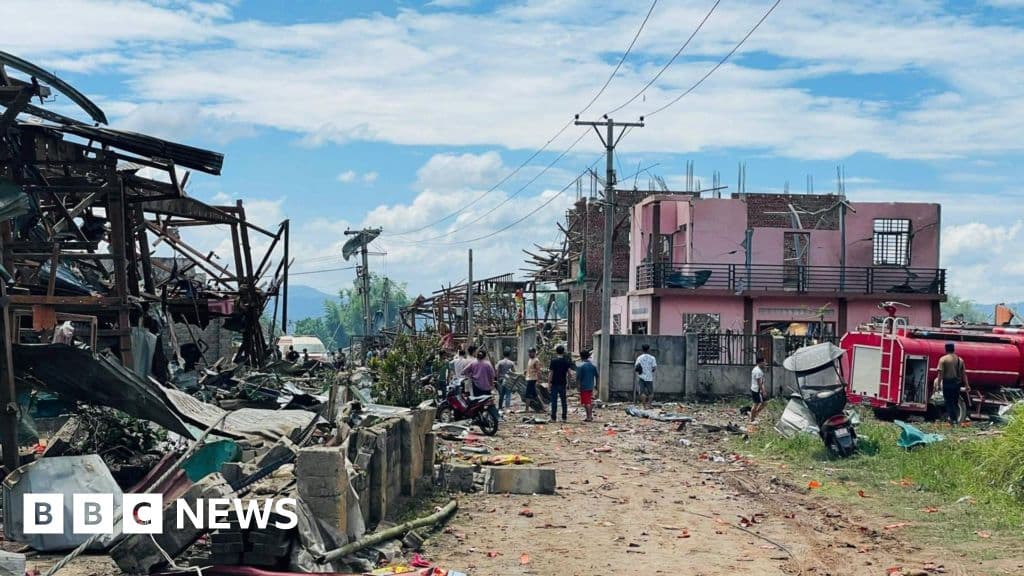
A devastating explosion in Myanmar's Kaung Tat village has killed at least 55 people, raising serious safety concerns and questions about civilian protection in conflict zones.
BBC World