

Image: The Verge
Tesla's Full Self-Driving faces a major NHTSA investigation over safety alerts in poor visibility, potentially leading to a critical recall. What’s at stake?
GlipzoIn a significant development for Tesla’s Full Self-Driving (FSD) technology, the National Highway Traffic Safety Administration (NHTSA) has initiated an expanded investigation into the system’s safety features during adverse weather conditions. This scrutiny is particularly focused on whether FSD adequately alerts drivers to take control of the vehicle when visibility is compromised. The investigation comes in light of several safety incidents that have raised concerns regarding the reliability of the degradation detection system.
The degradation detection system is designed to inform drivers when the vehicle’s cameras are unable to provide clear visibility due to adverse conditions such as glare, fog, or other airborne obscurants. However, reports indicate that this system may not function as intended, failing to deliver timely warnings to drivers—potentially leading to serious accidents. The NHTSA’s Office of Defects Investigation (ODI) is now conducting an engineering analysis, marking the second and final phase of the investigation that could precede a recall.
According to a filing by NHTSA on March 18, the degradation detection system has been observed to inadequately alert drivers under challenging visibility conditions. The filing states that the system has trouble detecting common roadway conditions that impair camera visibility and has failed to provide alerts until moments before crashes occur. This raises crucial questions about the effectiveness of Tesla's safety technology, especially in scenarios where timely intervention could avert accidents.
Given the severity of these findings, the NHTSA’s engineering analysis might lead to significant regulatory actions, including a potential recall of affected Tesla vehicles.
In response to the safety incidents, Tesla began developing an update for the degradation detection system in 2024 following a fatal incident in 2023. However, the specific details regarding which vehicles have received this update remain unclear, raising concerns about whether these updates could have mitigated some of the incidents under investigation.
The current analysis follows an earlier investigation in 2024, which examined crashes involving Tesla's FSD system under poor visibility conditions. Notably, past NHTSA investigations that escalated to engineering analyses have often resulted in significant recalls. For instance, the last similar situation led to two major recalls affecting nearly every Tesla vehicle sold in the U.S. up until that time.
As Tesla’s CEO Elon Musk continues to advocate for fully autonomous driving capabilities, the implications of this investigation could be profound. If NHTSA decides to issue a recall due to the deficiencies of the FSD system, it could hinder Tesla's ambitions of achieving unsupervised FSD.
The outcome of this NHTSA investigation is critical not only for Tesla’s reputation but also for the broader conversation surrounding the safety of autonomous driving technologies. With increasing reliance on AI-driven systems in vehicles, any lapses in safety can lead to significant consequences, both in terms of consumer trust and regulatory scrutiny.
As the investigation unfolds, industry experts and consumers alike will be closely monitoring the NHTSA's findings and potential actions. The implications of this engineering analysis could reshape the future landscape of autonomous driving technology, not only for Tesla but for all manufacturers involved in this rapidly evolving field.
In the coming weeks, we can expect: - Official statements from Tesla regarding the investigation. - Potential updates or recalls based on NHTSA’s findings. - Ongoing discussions about the safety and regulation of autonomous driving technologies.
The continued evolution of Tesla’s FSD system will be under a microscope, and the outcomes may significantly affect public perception and regulatory frameworks in the autonomous vehicle sector.
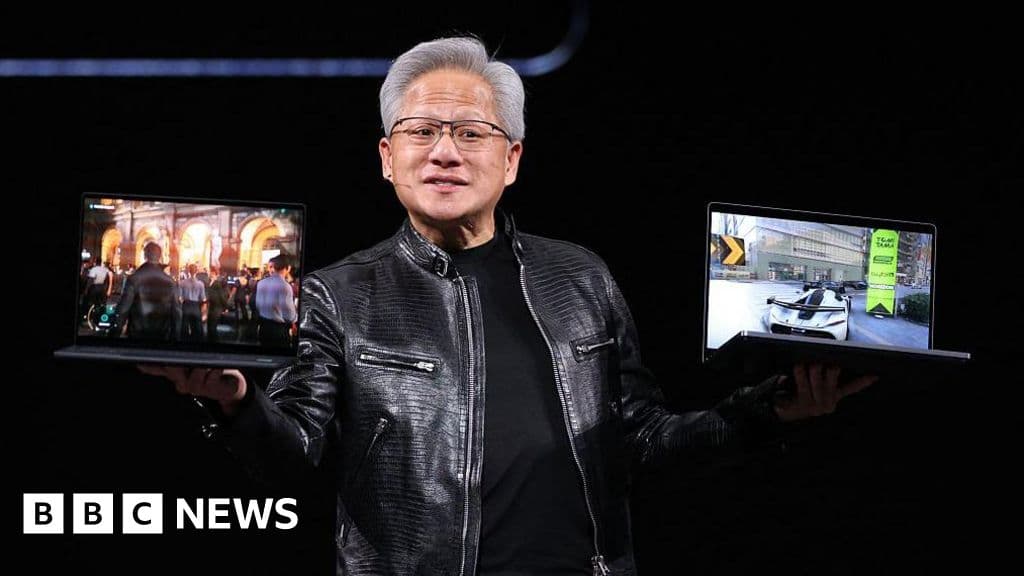
Nvidia's new RTX Spark chip aims to transform personal computing with AI, marking a significant shift in technology. Discover what this means for consumers.
BBC Business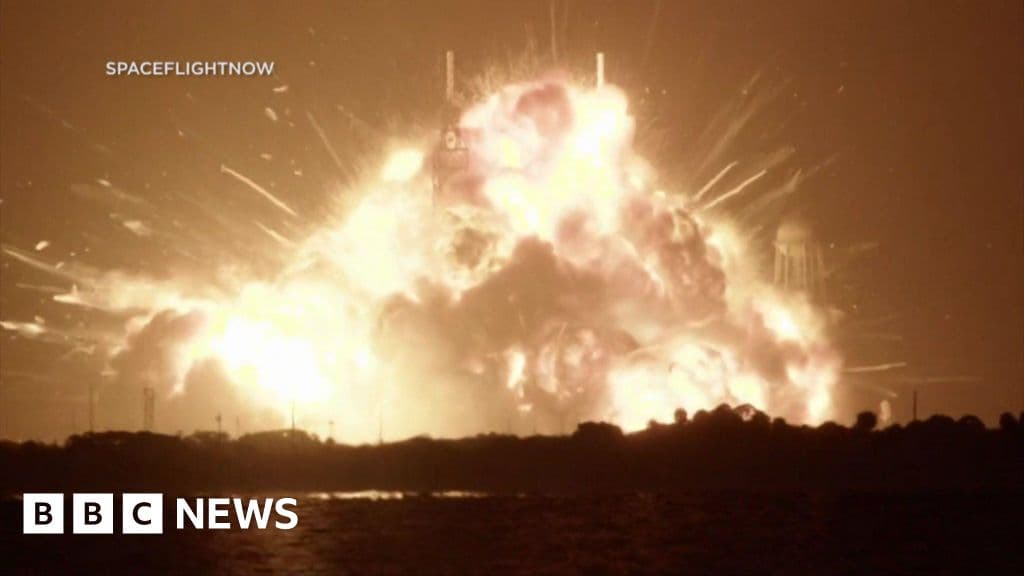
The explosion of Blue Origin's New Glenn rocket raises significant concerns over NASA's lunar ambitions and the future of Amazon's satellite projects. Discover the implications.
BBC Science
Discover how Meta's lack of engagement on user bans raises critical concerns about accountability and transparency in social media governance.
BBC Technology