
Image: Indian Express
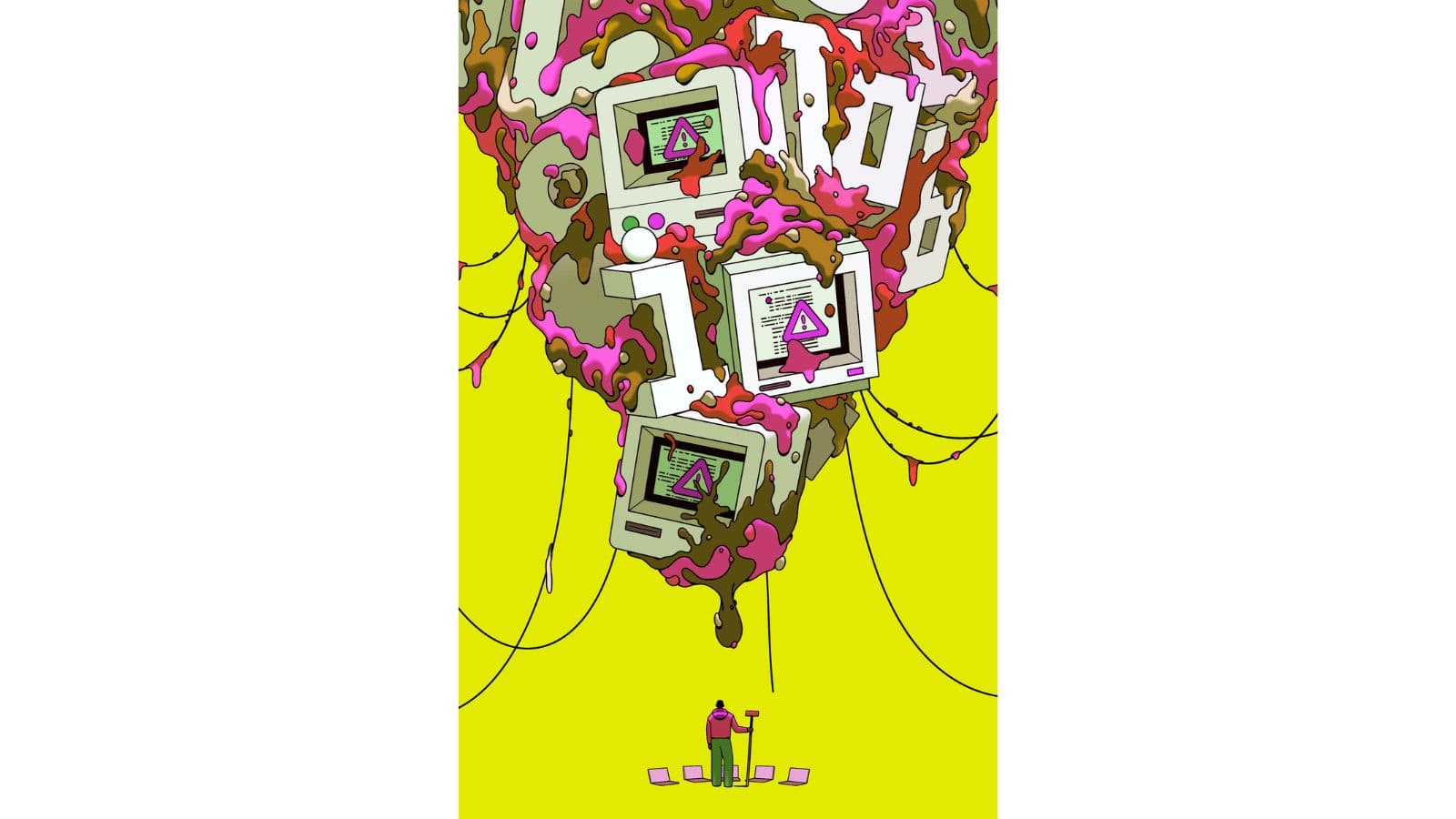
AI coding tools have led to a dramatic increase in code output, creating challenges for tech companies as they navigate the resulting code overload.
GlipzoKlippert remarked, “The sheer amount of code being delivered, and the increase in vulnerabilities, is something they can’t keep up with.” This rapid acceleration in software development is not merely a technical achievement; it has caused a ripple effect across various departments, including sales, marketing, and customer support, inducing significant stress among employees as they scramble to adapt to the faster pace.
In Silicon Valley, many professionals view this moment as a critical juncture that requires adaptation. Workers are excited about the newfound “coding superpowers” these AI tools provide, enabling them to focus more on innovative software concepts rather than getting bogged down in the complexities of coding itself.
The phenomenon has also impacted open-source software projects, which have seen a dramatic uptick in AI-generated contributions. While this influx can enhance collaboration and innovation, it also raises concerns about security vulnerabilities and system crashes stemming from flawed code.
Michele Catasta, president and head of AI at Replit, an AI coding startup, aptly summarized this dichotomy: “The blessing and the curse is that now everyone inside your company becomes a coder.”
In an internal memo reviewed by The New York Times, Andrew Bosworth, Meta's chief technology officer, acknowledged the transformative impact of AI: “Projects that once required hundreds of engineers can now be done by tens. Work that used to take months can now take days.” His remarks underscore the profound changes that AI integration is driving within organizations.
The game changed dramatically in November when Anthropic and OpenAI introduced updated versions of their coding tools, Claude Code and Codex. These enhancements transformed AI coding agents from auxiliary helpers to powerful code-generating entities. With just a little human oversight, engineers can now unleash these agents to produce complex programs in a fraction of the time previously required.
Looking forward, the industry is at a critical crossroads. Companies will need to balance the efficiency gains from AI with the imperative to maintain high-quality standards in their software. The ongoing evolution of AI technologies will likely continue to shape the future of coding, prompting organizations to rethink their workforce structures and operational strategies in the face of this new reality.
In conclusion, while AI coding tools have ushered in a remarkable era of productivity, they also necessitate a reevaluation of roles within tech companies. The journey ahead will demand adaptability, vigilance, and innovation as the industry works to capitalize on AI’s potential while safeguarding against the risks it presents.
---

Nvidia's new RTX Spark chip aims to transform personal computing with AI, marking a significant shift in technology. Discover what this means for consumers.
BBC Business
The explosion of Blue Origin's New Glenn rocket raises significant concerns over NASA's lunar ambitions and the future of Amazon's satellite projects. Discover the implications.
BBC Science
Discover how Meta's lack of engagement on user bans raises critical concerns about accountability and transparency in social media governance.
BBC Technology