
Image: BBC World
Breaking news: 23 killed in shocking suicide bombings in Maiduguri, Nigeria. Learn about the impacts on safety and community resilience.
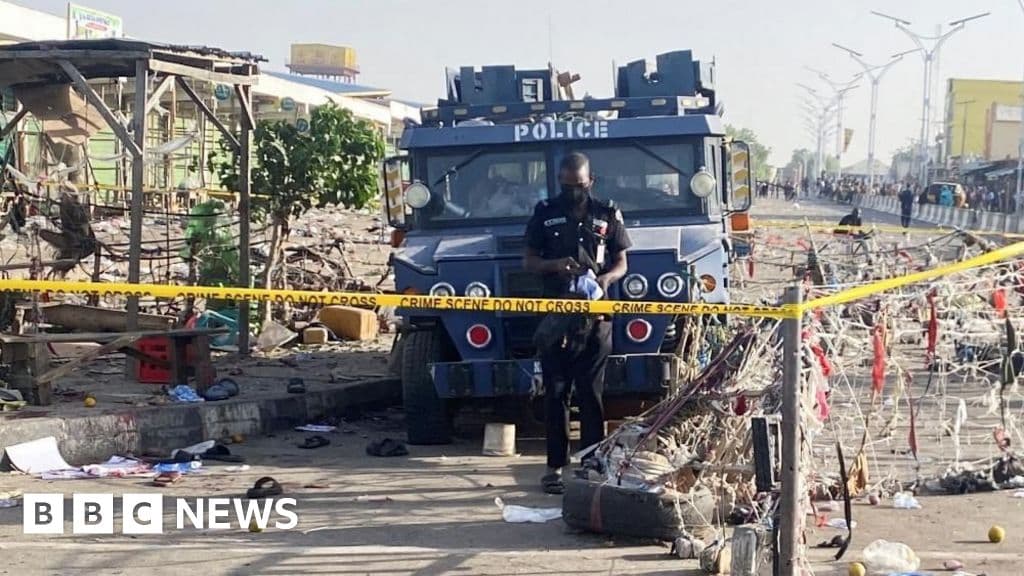
GlipzoIn a tragic turn of events, 23 individuals lost their lives and 108 sustained injuries following a series of suspected suicide bombings in Maiduguri, the capital of Borno state in northeastern Nigeria. The attacks occurred on Monday evening around 7:30 PM local time (6:30 PM GMT), targeting three of the city's most frequented locations—a post office, a bustling weekly market, and the University of Maiduguri Teaching Hospital.
These sites, typically bustling with activity as the community gathered to break their daily Ramadan fast, became the epicenter of chaos when the explosions detonated within mere minutes of one another. This incident is considered one of the most lethal attacks Maiduguri has experienced in several years, shaking the foundation of a city that had recently enjoyed a period of relative stability.
Historically, Maiduguri has been a focal point of violence due to the insurgency led by the militant group Boko Haram. However, following an intensified military campaign that pushed these armed factions into more remote areas, residents had begun to feel a sense of security. The return of violence has raised alarms, as many had cautiously hoped that the darkest days of the Boko Haram insurgency were behind them.
Borno State Police confirmed in a statement that preliminary investigations indicate the attacks were executed by suspected suicide bombers. Authorities are currently working to identify the attackers and understand the underlying motives behind this brazen assault on civilian life.
Witnessing the devastation firsthand, Modu Bukar, a local resident, recounted the terror that unfolded during the market explosion. “We were sitting when we suddenly heard a loud explosion. Everyone immediately started running in fear,” he shared with AFP, highlighting the panic that ensued as people desperately sought safety.
The rapid succession of blasts has left residents in disbelief, as many had only recently begun to feel a sense of normalcy returning to their lives. The fear and uncertainty have once again gripped the community, as officials warn that the potential for further violence looms.
In the aftermath of the attacks, Nigerian President Bola Tinubu condemned the bombings, asserting that “Nigeria will not succumb to fear.” He emphasized that the perpetrators would be “located, confronted, and completely defeated,” demonstrating the government's commitment to combatting the resurgence of violence.
Just hours before the deadly bombings, security forces had successfully repelled an attack on a military post in the Ajilari Cross area, underlining the ongoing battle against insurgent threats in the region.
The scale and location of these recent attacks are particularly alarming, as they occurred deep within the city, a place that many believed had moved past the era of rampant violence associated with Boko Haram. The implications of such violence extend beyond immediate casualties and injuries, affecting the psychological wellbeing of the community and undermining efforts toward recovery and stability.
Authorities are intensifying safety measures, with emergency and security agencies collaborating to enhance protection across Maiduguri. Residents are urged to remain vigilant as the threat of further attacks persists.
The resurgence of violence in Maiduguri serves as a stark reminder of the fragility of peace in regions plagued by insurgency. As the community grapples with the aftermath of these tragic events, the need for sustained military and governmental efforts to secure safety is more pressing than ever.
As the investigation unfolds and security measures are reinforced, the key questions remain: Will the government successfully locate and prosecute those responsible? What strategies will be implemented to prevent future attacks? The people of Maiduguri, and indeed Nigeria as a whole, anxiously await answers while hoping for a return to peace and stability.
In the wake of this tragedy, what remains crucial is the collective effort of the Nigerian government, military, and civilian populations to restore a sense of safety and trust within communities. Future developments will be closely monitored, particularly concerning the security operations aimed at dismantling the networks of those who seek to perpetuate violence. As citizens rally for resilience, the fight against insurgency continues to unfold, with hope for a safer tomorrow.
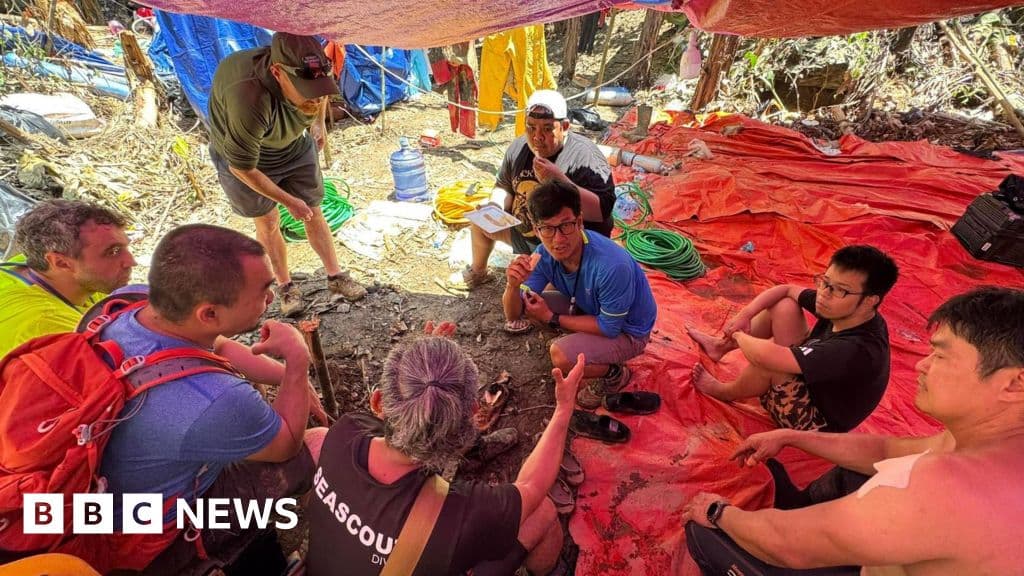
Survivors of the Laos cave rescue are aiding efforts to find the last two missing men trapped inside, sharing crucial insights for the search operation.
BBC World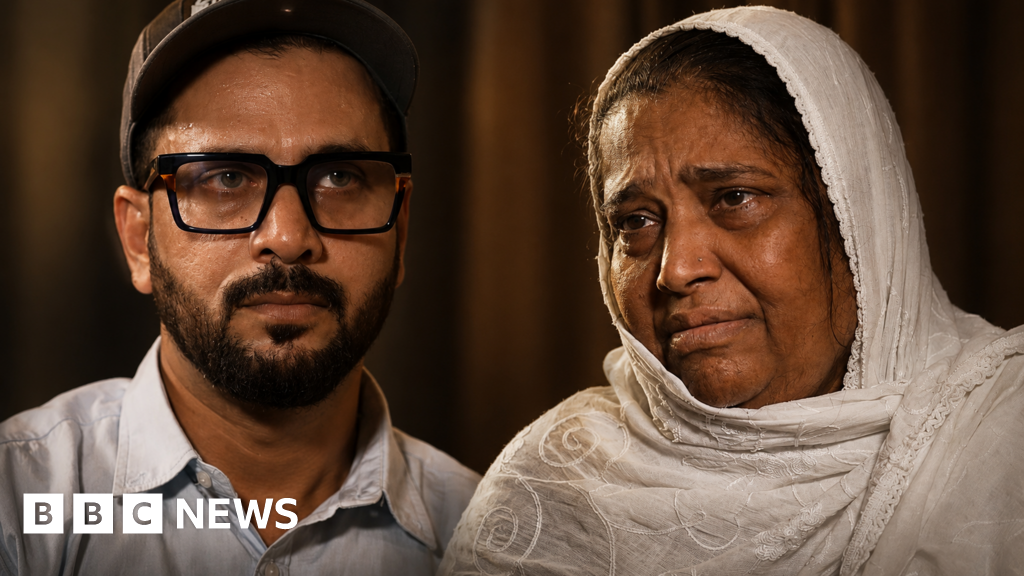
A year after the tragic Air India crash, the Ali family reflects on grief, unanswered questions, and the enduring bonds of love in the face of loss.
BBC Business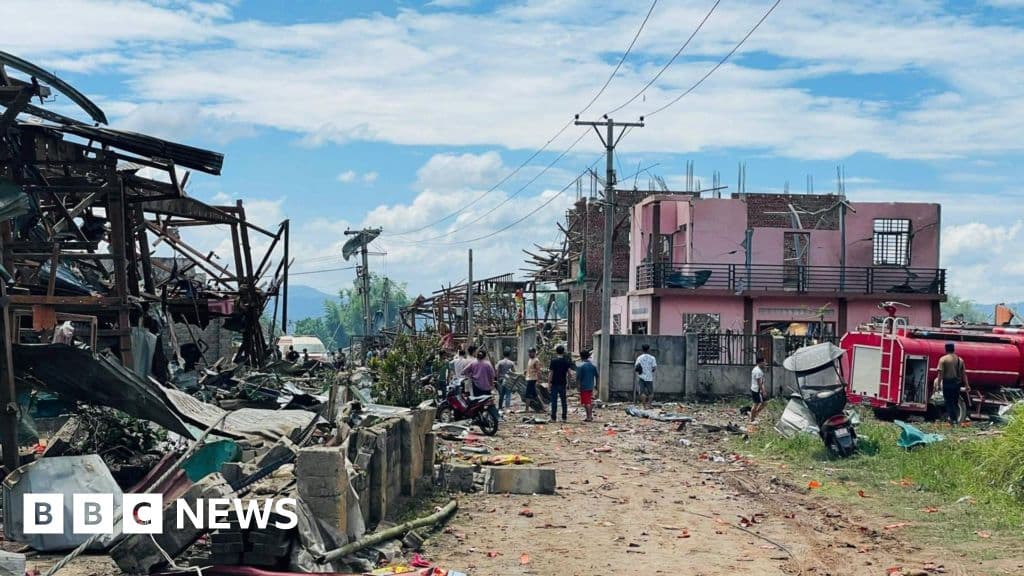
A devastating explosion in Myanmar's Kaung Tat village has killed at least 55 people, raising serious safety concerns and questions about civilian protection in conflict zones.
BBC World