
Image: BBC World
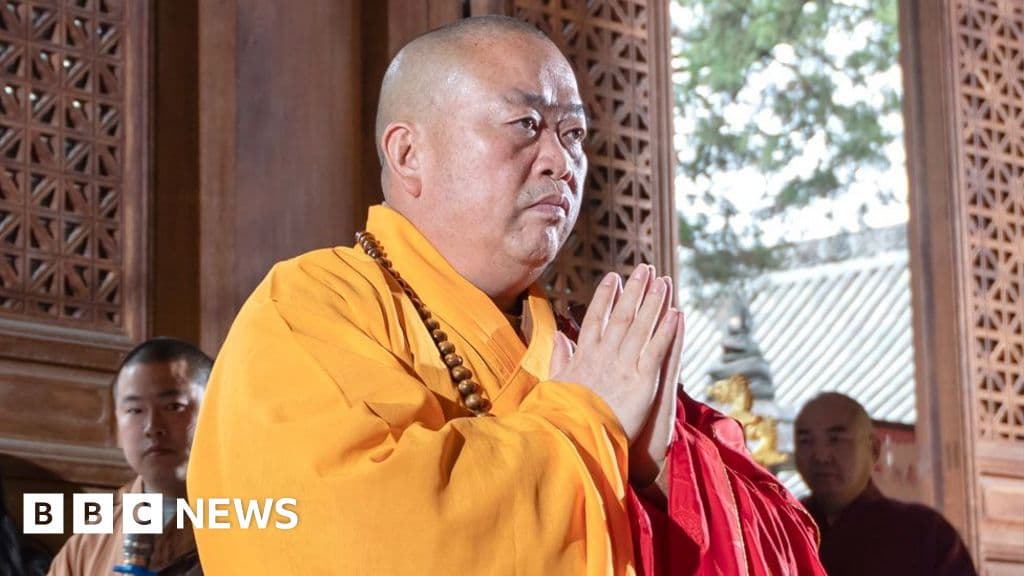
Ex-abbot of Shaolin Temple sentenced to 24 years for embezzlement. Discover the shocking details behind his fall from grace.
GlipzoIn a stunning turn of events, Shi Yongxin, the former abbot of the legendary Shaolin Temple, has been sentenced to 24 years in prison. This decision came after he was found guilty of serious offenses, including embezzlement and bribery. The ruling was delivered by a court in Henan province, which revealed that Shi misappropriated temple assets worth more than 282 million yuan (approximately $42 million) over a period spanning from 2003 to 2025.
Shi’s actions not only constituted a breach of trust but also exploited his position to unlawfully gain funds from various temple construction projects. Furthermore, he was implicated in offering substantial bribes to several officials, underscoring a culture of corruption that extends beyond the walls of the temple itself. In a recent statement, Shi acknowledged his guilt and made it clear that he would not be appealing the court’s decision, marking a significant chapter in the saga of the Shaolin Temple.
Shi Yongxin, born Liu Yingcheng, was appointed as the abbot of the Shaolin Temple in 1999. His tenure was marked by ambitious plans that transformed the institution into a global brand, earning him the moniker “CEO monk.” Under his leadership, the temple expanded its reach, establishing Shaolin schools internationally and creating a traveling troupe of monks who showcased Shaolin kung fu, the temple’s iconic martial art.
This era of transformation not only drew disciples from China but also attracted thousands of visitors from around the world. The Shaolin Temple, which dates back over 1,500 years, is nestled in the Songshan mountain range and has become a pilgrimage site for martial arts enthusiasts and tourists alike. Shi's vision turned the temple into a cultural phenomenon, significantly contributing to its prominence in popular culture.
Despite his achievements, Shi's leadership was marred by controversies. In 2015, he faced an investigation related to embezzlement and allegations regarding fathering multiple children. Although he was initially cleared of these charges, the scrutiny of his actions did not subside. During a BBC Chinese interview that same year, he remarked, “If there were a problem, it would have surfaced long ago,” suggesting a belief in his own innocence. However, the recent court ruling has painted a different narrative, revealing the depths of his misdeeds.
Last year, the Chinese Buddhist Association officially defrocked Shi, a move viewed as a necessary action to restore the temple's integrity. The overwhelming evidence against him, including the massive sums involved in the embezzlement, ultimately led to his downfall, culminating in the recent sentencing.
The name Shaolin Temple has transcended its geographic and religious boundaries, becoming a symbol of martial arts and a staple in popular culture. It has been referenced in numerous films, including the iconic 1982 movie starring Jet Li, which helped to further popularize its legacy. Additionally, the temple has been celebrated in music by various artists, notably the hip-hop group Wu-Tang Clan, and has inspired video games like Mortal Kombat.
This cultural significance adds another layer of complexity to the narrative surrounding Shi Yongxin. The temple is not just a place of worship; it has evolved into a brand that embodies the spirit of martial arts around the globe. Therefore, the ramifications of Shi's actions will likely resonate beyond the confines of the temple, affecting its reputation and the community that has rallied around it.
The sentencing of Shi Yongxin serves as a crucial reminder of the importance of ethical leadership within religious and cultural institutions. The Shaolin Temple, once a beacon of martial arts and spirituality, must now work to rebuild its image after the scandal. This case highlights the potential for corruption in organizations, regardless of their esteemed history.
As the Shaolin Temple navigates this challenging period, observers will be keen to see how the leadership transitions and what measures are taken to prevent similar incidents in the future. The temple's management must now focus on restoring public trust and reaffirming its values as a spiritual and cultural leader.
Moving forward, the Shaolin Temple faces the monumental task of redefining its identity post-Scandal. The community will be watching closely as new leadership emerges and the temple implements reforms aimed at safeguarding its legacy. The potential for new initiatives and programs that promote transparency and community engagement could offer a path to healing.
In conclusion, the Shaolin Temple is at a crossroads. As it seeks to distance itself from the shadows of corruption, it must reclaim its place as a pillar of martial arts and spirituality. The global community of disciples and enthusiasts will be eager to see how the temple evolves and whether it can restore its standing as a revered institution in the martial arts world.
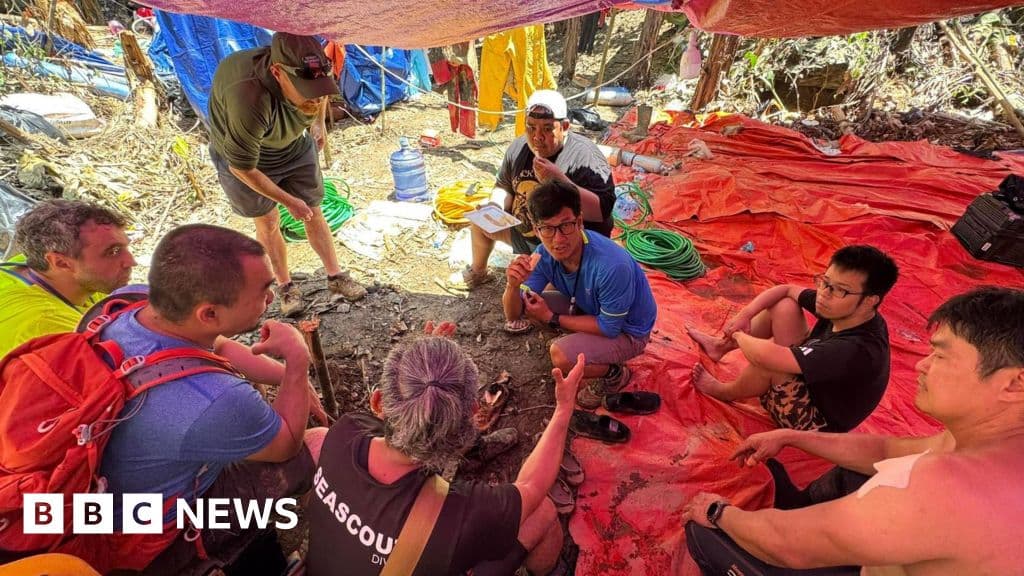
Survivors of the Laos cave rescue are aiding efforts to find the last two missing men trapped inside, sharing crucial insights for the search operation.
BBC World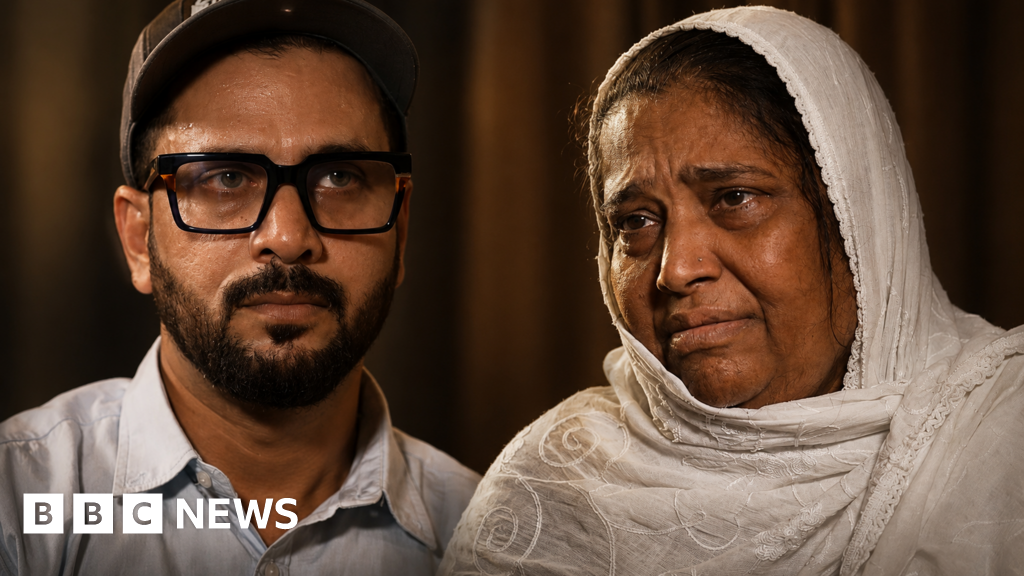
A year after the tragic Air India crash, the Ali family reflects on grief, unanswered questions, and the enduring bonds of love in the face of loss.
BBC Business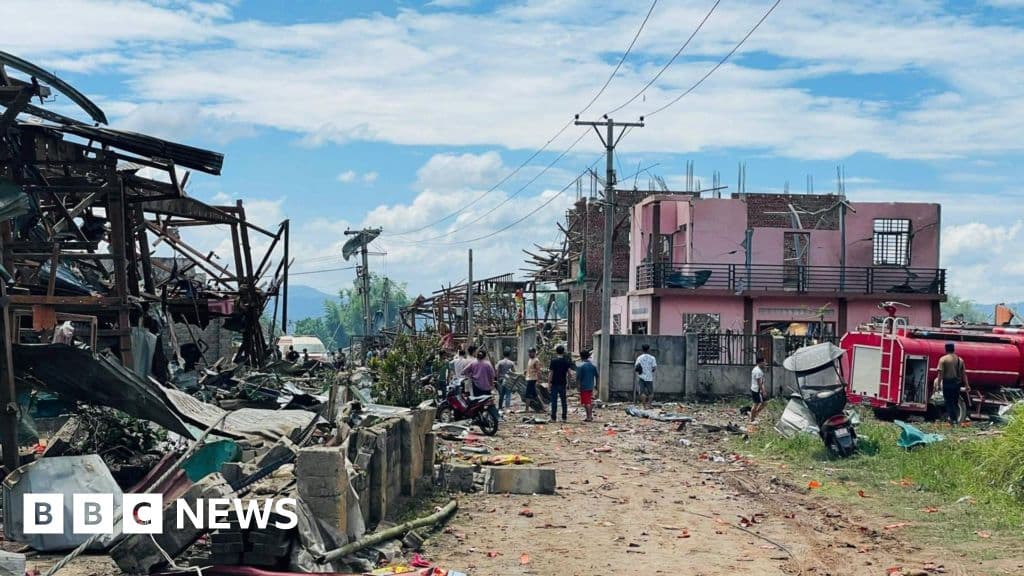
A devastating explosion in Myanmar's Kaung Tat village has killed at least 55 people, raising serious safety concerns and questions about civilian protection in conflict zones.
BBC World