

Image: BBC Business
Explore the rising trend of multi-job workers in the UK as economic pressures force individuals like Billy-Jo Pierce into survival mode amidst a changing workforce landscape.
GlipzoBilly-Jo, a 29-year-old entrepreneur from Birmingham, exemplifies this growing trend. She has embraced a multifaceted work life, combining her passion for decorating teeth with cosmetic gems with various other jobs, including bar work and online retail. Despite her busy schedule, she acknowledges the toll it takes on her mental and physical well-being. "The burn out is real," she admits, reflecting on her 50-60 hour work weeks.
Billy-Jo's journey began during her time studying interior design at university. Despite graduating with a first-class degree, she faced a tough job market and initially accepted a 9-5 gaming position while simultaneously nurturing her business. "I felt like I was part of a massive rat race that I wasn't going to win in," she recalls, emphasizing the stress of working long hours without substantial financial reward.
Her typical day starts at 10 AM in her studio and often stretches until 11 PM when she finishes her reception shifts. Weekends are no different, filled with bar and festival work. Despite her relentless efforts, she expresses persistent anxiety about her financial situation, stating, "I still feel like I'm not earning a good monthly wage to ever get close to owning a house."
For many, especially the younger workforce, the idea of relying on a single employer feels increasingly insecure. Engy Elboreini, a freelance graphic designer based in Bristol, has also felt the impact of these changes in her industry. After over a decade of work, she notes that tools like AI and Canva have significantly altered demand for traditional design services, reducing her workload.
Despite her adaptability, Engy has had to make sacrifices, cutting back on luxuries like vacations and entertainment. "Is this the lifestyle that I want to live? No. But being in Bristol is fun and being embedded in creative circles is more than fulfilling," she shares, hinting at the complex balance between passion and financial necessity.
Looking forward, several key aspects will likely shape the future of work in the UK. Policy changes aimed at improving job security and addressing the cost of living crisis will be essential. Furthermore, the ongoing evolution of the gig economy will require workers to remain agile and adaptable.
In conclusion, the rise of the multi-job workforce signals a broader economic concern that demands attention. As the landscape continues to evolve, individuals like Billy-Jo and Engy will remain at the forefront, navigating challenges while seeking opportunities for financial stability and personal growth. The question remains: how will the UK adapt to this new reality, and what measures will be taken to support those caught in the cycle of survival mode?
Why It Matters: Understanding the rise of multi-job workers is crucial as it reflects deeper economic trends and challenges that affect not just individuals, but society as a whole.

Commercial LPG prices have risen again, with increases of ₹42 in Delhi and ₹53.50 in Kolkata impacting businesses and consumers alike. Find out more.
Indian Express
Discover how a tragic coal mine explosion in Shanxi, China, reveals ongoing safety concerns in the industry amidst a push for green energy.
BBC Business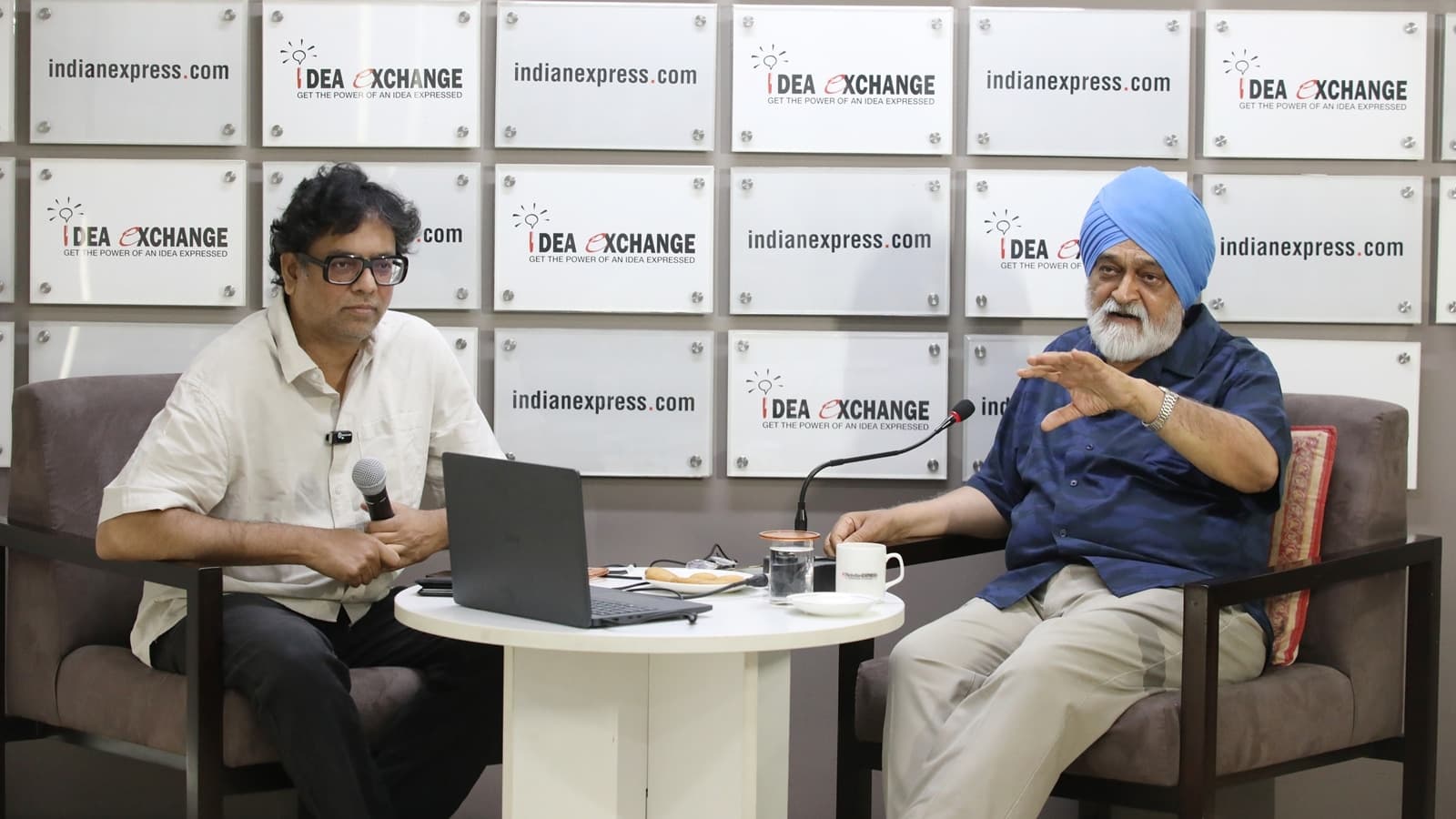
Montek Singh Ahluwalia highlights key economic challenges for India, emphasizing the need for a strategic approach to balance payments and investment.
Indian Express