

Image: BBC Business
Discover the shocking rise in unpaid debt cases in the UK, revealing the struggles of families like Mark and Jane amidst soaring energy costs. Click to learn more!
GlipzoIn a troubling trend, the UK is witnessing a significant rise in unpaid debt court cases, with County Court Judgments (CCJs) surging by 17.5% in the first quarter of this year alone, reaching a staggering 270,537 new registrations. This alarming statistic reflects the financial distress faced by many households across Britain, particularly in light of soaring energy costs that have left families struggling to make ends meet.
One poignant example of this crisis is Mark Sumner, a single father from Redditch, who found himself over £2,000 in debt after his energy bills skyrocketed from £80 to £220 a month. As his financial situation worsened, Mark became fearful of the letters arriving at his doorstep, knowing they likely carried bad news. "The energy bills definitely pushed us over the edge," Mark recalls, admitting that the strain of managing household expenses became overwhelming.
Mark's experience is not unique; many families are grappling with similar circumstances as energy debt across the UK hits an unprecedented high of over £4.5 billion. Amidst these challenges, Mark's financial woes escalated to the point where he was forced to rely on a credit card for basic necessities and ultimately had to sell his family home to settle his debts.
Now residing in social housing, Mark has found some stability with the help of a local charity, but he remains anxious about future energy price hikes, particularly due to geopolitical tensions, such as the war in Iran, which could further inflate costs. “When's it ever going to end?” he questions, reflecting the uncertainty many feel about the future of their finances.
Recent data from UK Finance adds to the narrative of financial instability. It reveals a 3.5% decline in debit card transactions in January, while credit card usage rose by 3.6%, indicating that more individuals are resorting to debt to cover their everyday expenses. This shift is concerning, as it underscores the dependence on credit amidst a backdrop of rising costs.
A CCJ can have long-lasting repercussions on an individual's financial health. If a person fails to repay their debt, a CCJ can appear on their credit report for six years, complicating future attempts to secure loans, mortgages, or even basic services like mobile phone contracts. However, if the debt is settled within a month, the judgment can be removed from their record, offering a glimmer of hope for those who can manage their debts promptly.
Another individual affected by this crisis is Jane, a resident of Coventry, who struggles with multiple health issues, including arthritis and diabetes. Currently dependent on PIP and Universal Credit, Jane owes £800 to her energy supplier and is forced to meticulously budget her finances. She describes her situation as "just staying afloat," often relying on family support to get by.
In her efforts to manage her finances, Jane has turned to a debt charity for assistance and has implemented creative budgeting strategies, such as purchasing supermarket gift cards to control her spending. “If I've got a gift card, I know I can't go over that amount,” she explains, highlighting the lengths individuals are going to in order to maintain some level of financial stability.
Organizations like Act on Energy, based in the West Midlands, are stepping in to help families like Mark's navigate the complexities of energy debt. According to Rachel Jones, the chief executive, the rise in energy debt is alarming and requires immediate attention.
The organization's support is crucial in providing families with the guidance they need to manage their energy costs effectively and prevent them from falling deeper into debt. As energy prices continue to fluctuate, the importance of such resources cannot be overstated.
The rise in unpaid debt cases is not just a financial statistic; it reflects a broader societal issue that affects the well-being of families across the UK. With many people living paycheck to paycheck, the burden of escalating energy costs and other living expenses is pushing them into dire financial straits. The emotional toll of financial insecurity can lead to anxiety and stress, impacting not only the individuals directly involved but also their families and communities.
As the cost of living continues to rise, it is essential to monitor how families adapt to these financial pressures. The government and financial institutions may need to take further action to provide relief and support to those in need. Individuals are encouraged to seek help from local charities and financial advisors to navigate their debts and explore options for managing their energy costs.
Ultimately, the crisis surrounding unpaid debts serves as a wake-up call for society to address the underlying issues contributing to financial instability. Moving forward, it will be crucial to watch for any legislative changes or initiatives aimed at providing financial relief to struggling households, as well as the potential impact of global events on domestic energy prices.
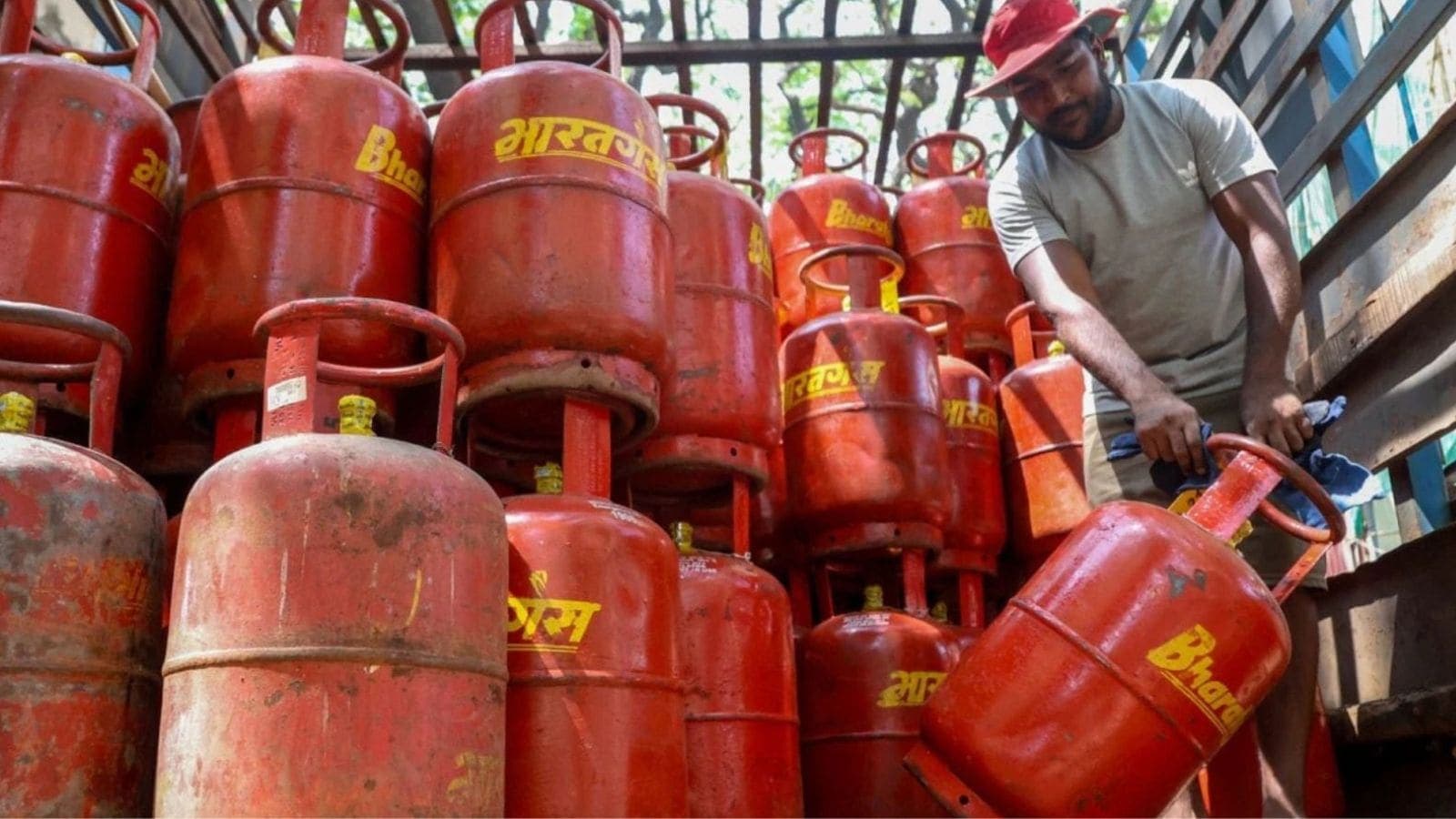
Commercial LPG prices have risen again, with increases of ₹42 in Delhi and ₹53.50 in Kolkata impacting businesses and consumers alike. Find out more.
Indian Express
Discover how a tragic coal mine explosion in Shanxi, China, reveals ongoing safety concerns in the industry amidst a push for green energy.
BBC Business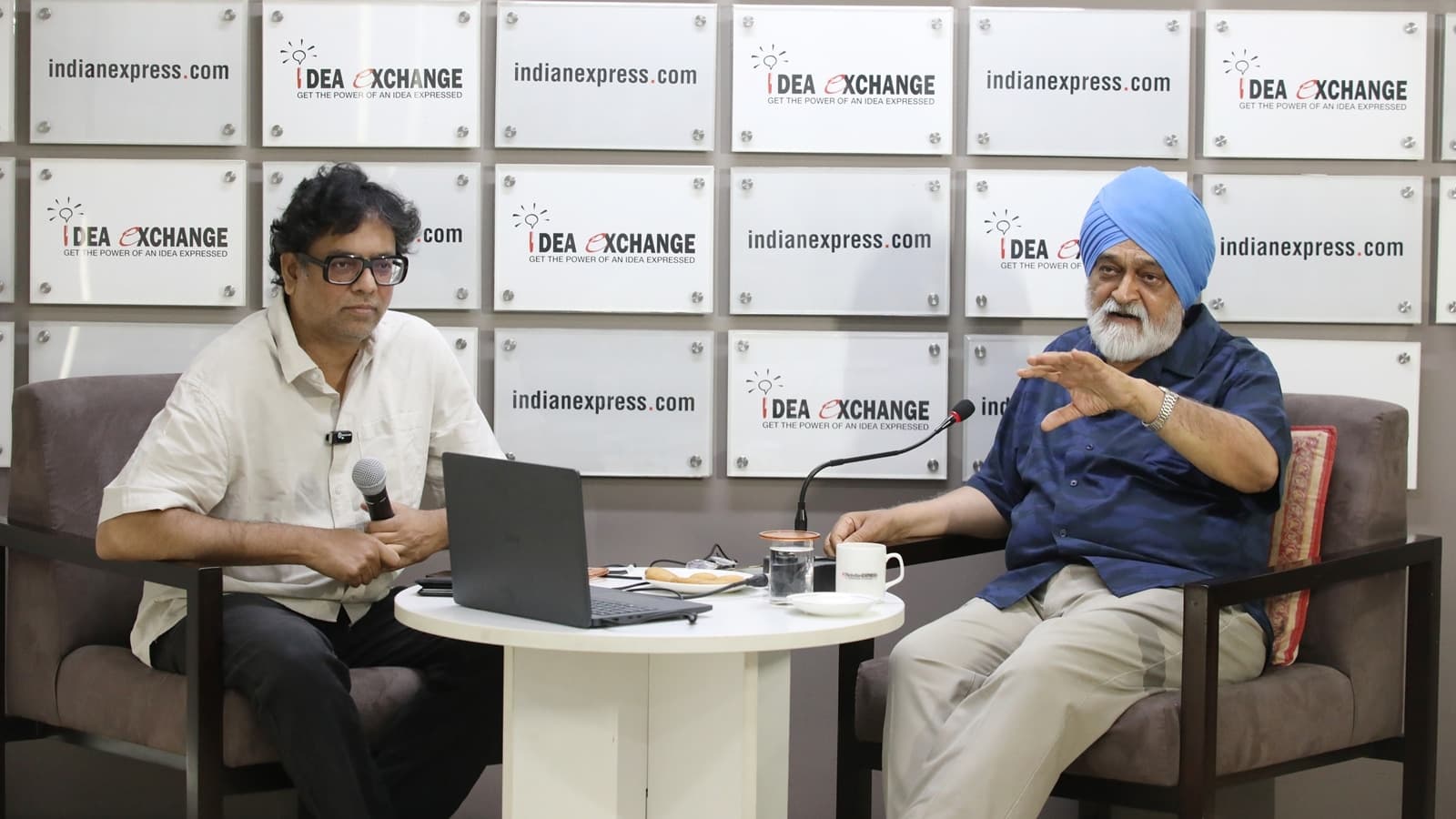
Montek Singh Ahluwalia highlights key economic challenges for India, emphasizing the need for a strategic approach to balance payments and investment.
Indian Express