

Image: Mint (Business)
Reports suggest Iran's security chief Ali Larijani may be dead after Israeli strikes. What does this mean for the future of Middle Eastern geopolitics?
GlipzoAmid escalating tensions in the Middle East, reports are emerging from Israeli media suggesting that Iran's security chief, Ali Larijani, may have been targeted during a recent military operation. While the specifics surrounding his fate remain uncertain, the implications of these developments could have far-reaching consequences for the region. Alongside Larijani, Gholamreza Soleimani, the commander of Iran's Basij paramilitary force, has reportedly been killed in the same Israeli strikes.
The Israeli Defense Forces (IDF) confirmed that they were conducting targeted operations against what they described as Iranian regime infrastructure. This marked a significant escalation in the ongoing conflict, particularly following the assassination of Supreme Leader Ayatollah Ali Khamenei earlier this year on February 28. The backdrop of this violence is a continued struggle for power and influence in the region, with Iran accusing neighboring countries of colluding with U.S. interests.
The IDF's recent operations have primarily focused on Tehran and Hezbollah positions in Beirut, targeting supposed key figures and infrastructure associated with Iranian military operations. According to reports, Soleimani was at a makeshift camp when he was struck. This camp had been established following previous IDF strikes against Basij facilities, which have already resulted in numerous casualties among high-ranking officials within the organization.
As of this moment, the situation remains precarious. Neither the IDF nor Iranian officials have confirmed whether Larijani is alive or dead, fueling speculation and concern over the potential impact on Iran's political stability. Larijani has been a prominent figure in Iranian politics, serving as the Secretary of the Supreme National Security Council and having been closely associated with Khamenei.
Just hours prior to the strikes, Larijani had issued a call for solidarity among Muslim countries, urging them to take a stand against perceived aggression. “Which side are you on?” he questioned, highlighting the urgency of unity in the face of external threats. This rhetoric underscores Iran's narrative of victimization amid ongoing hostilities, particularly as they have accused the U.S. and its allies of undermining Iranian sovereignty.
Larijani articulated his disappointment over the apparent lack of support from other Muslim-majority nations, asserting that Iran was facing a “treacherous American-Zionist aggression.” He lamented that some countries have labeled Iran as an adversary simply for retaliating against U.S. interests in the region.
The scenarios unfolding in Iran could significantly affect regional dynamics. If Larijani were to be confirmed dead, it might create a power vacuum, potentially destabilizing the already fragile political landscape in Iran. His close ties to Khamenei and his current role as a leading figure in Iranian security make him a pivotal player in navigating these turbulent waters.
Iran's response to these strikes and the uncertainties surrounding its leadership will be crucial to watch. The country has a history of retaliating against perceived aggressors, and this situation could escalate further, leading to broader military engagements across the Middle East.
As tensions continue to rise, observers are left questioning what the next steps will be for Iran and its adversaries. The IDF reportedly has plans for several more weeks of targeted operations, which could lead to further escalations. Moreover, the geopolitical ramifications of Larijani's potential demise or incapacitation could shift the balance of power in the region.
In the wake of these developments, it is essential to monitor how Iran will respond and whether calls for unity among Muslim nations will gain traction or fall on deaf ears. As the situation unfolds, the world will be watching closely, not only for the fate of Larijani but also for the broader implications on regional stability and international relations.
Why It Matters: This situation highlights the fragility of Middle Eastern geopolitics and the potential for rapid escalations in conflict. The death or incapacitation of key figures like Larijani could lead to significant shifts in power dynamics, not only in Iran but throughout the region. The actions taken by Iran in response to these strikes will be critical in shaping future relations and conflicts.
Stay tuned as this story develops, and continue to follow updates on this critical situation in global geopolitics.
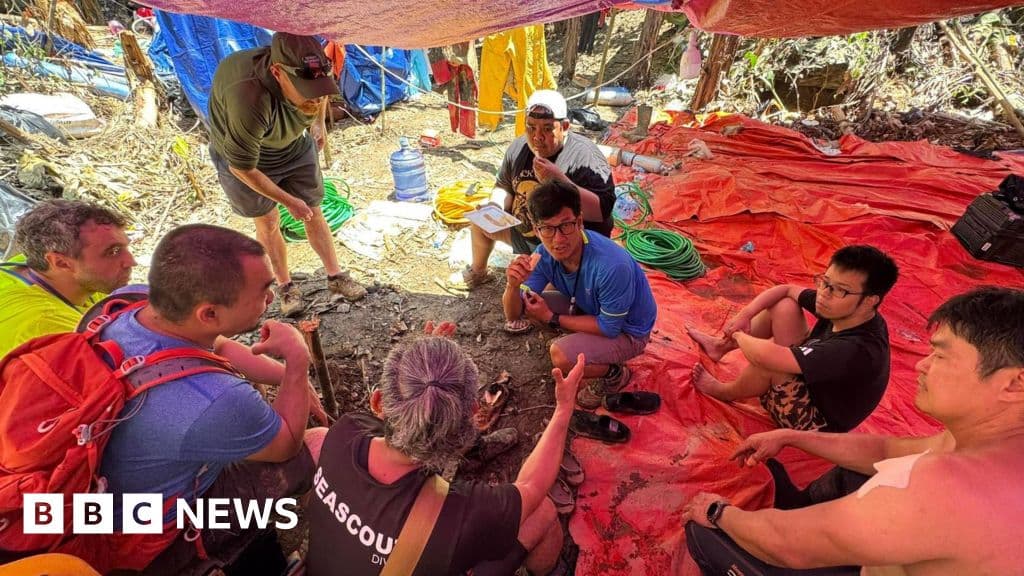
Survivors of the Laos cave rescue are aiding efforts to find the last two missing men trapped inside, sharing crucial insights for the search operation.
BBC World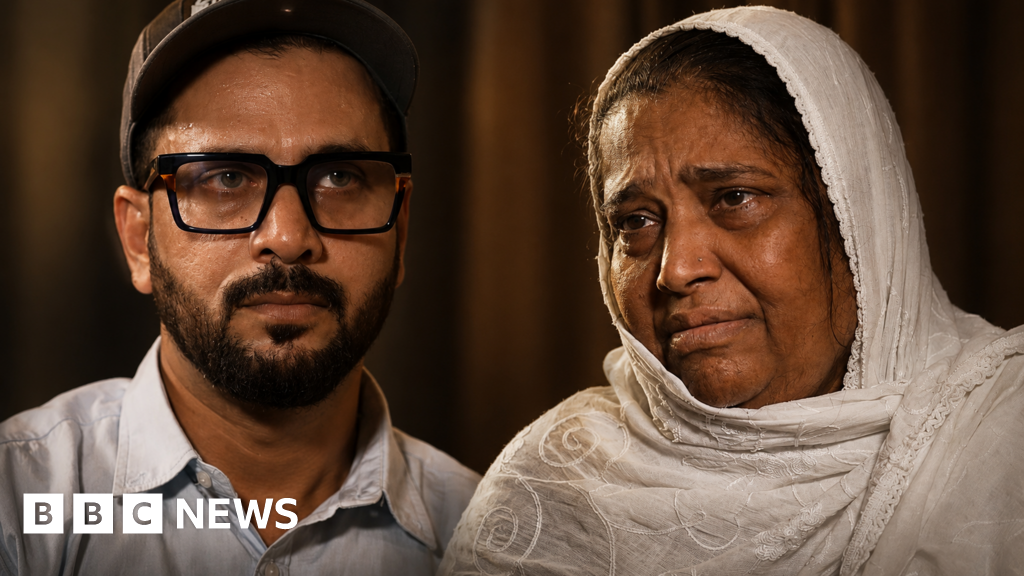
A year after the tragic Air India crash, the Ali family reflects on grief, unanswered questions, and the enduring bonds of love in the face of loss.
BBC Business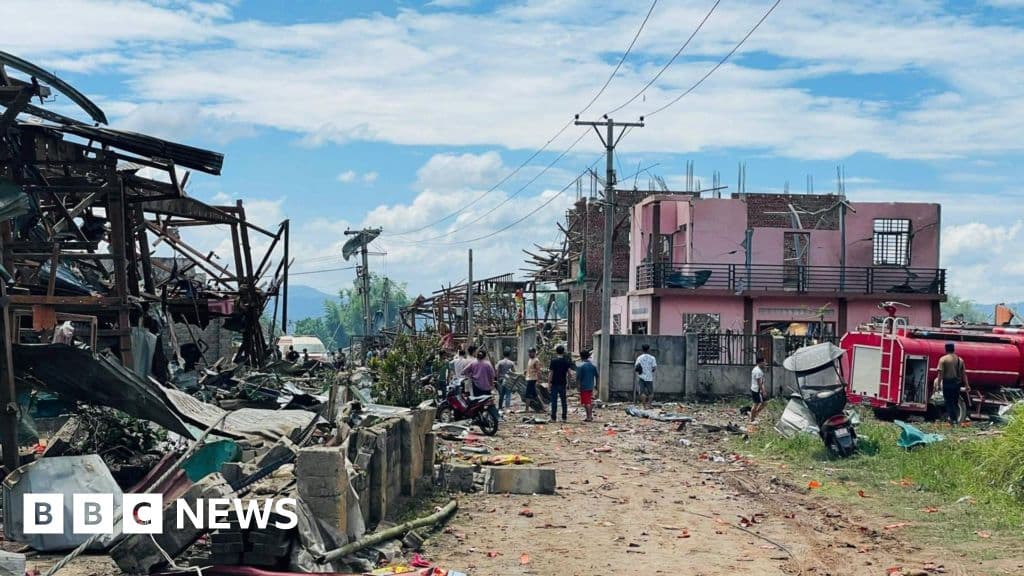
A devastating explosion in Myanmar's Kaung Tat village has killed at least 55 people, raising serious safety concerns and questions about civilian protection in conflict zones.
BBC World