

Image: Times of India
The U.S. has lost 16 aircraft, including 10 Reaper drones, in its conflict with Iran. Discover the implications of these significant military losses.
GlipzoIn a dramatic escalation of military activity, the United States has reportedly lost 16 aircraft during its ongoing conflict with Iran. Among these losses are 10 Reaper drones, which are crucial for surveillance and combat operations. This revelation has raised concerns about the implications for U.S. military strategy in the region and its ability to maintain air superiority.
The losses come at a time when tensions between the U.S. and Iran have reached a boiling point, particularly following recent skirmishes and military engagements. The operational challenges faced by U.S. forces are now under scrutiny as they reassess their strategies in an increasingly volatile landscape.
Sources indicate that these aircraft were lost due to a combination of factors, including hostile engagements with Iranian forces and technical malfunctions. The Reaper drones, which are unmanned aerial vehicles, are essential for gathering intelligence and conducting precision strikes. Their loss is particularly significant, as it not only diminishes the U.S. military's operational capability but also highlights vulnerabilities in their current tactics.
Military analysts suggest that this incident could prompt a reassessment of U.S. drone operations, especially in regions where anti-aircraft capabilities are robust. The U.S. has been increasingly reliant on drone technology to carry out missions with reduced risk to personnel, but these losses may necessitate a strategic pivot.
The loss of 16 aircraft, including 10 Reaper drones, underscores the escalating tensions in U.S.-Iran relations. This conflict has been characterized by a series of provocations, including attacks on shipping in the Persian Gulf and confrontations between military forces. The recent aircraft losses may further complicate diplomatic efforts aimed at de-escalation.
Iran's military capabilities have improved significantly over the years, raising alarms in Washington. As the U.S. grapples with these new realities, the potential for a broader conflict looms large. Observers note that the situation is precarious, and any miscalculation could lead to a more extensive military engagement.
The U.S. military is likely to conduct a thorough investigation into the circumstances surrounding these aircraft losses. This could lead to changes in operational protocols and an evaluation of the effectiveness of current military strategies against Iranian capabilities.
Moreover, policymakers will need to address the implications of these losses on both military and diplomatic fronts. As tensions continue to rise, the international community will be watching closely to see how the U.S. responds. Will there be an increase in military operations, or will there be a renewed push for diplomatic solutions?
As this situation unfolds, it is essential for both military analysts and the public to stay informed about developments in the region. The stakes are high, and the outcomes will likely influence U.S. foreign policy for years to come.
Understanding the dynamics of U.S.-Iran relations is crucial in today's geopolitical climate. The loss of 16 aircraft, particularly 10 Reaper drones, highlights the risks faced by military forces operating in hostile environments. As the U.S. navigates this complex situation, the potential for escalation remains a pressing concern. This incident serves as a reminder of the fragile balance of power in the Middle East and the importance of strategic decision-making in military operations.
In conclusion, the recent U.S. aircraft losses in Iran signal a critical moment in U.S. military engagement. As the situation develops, all eyes will be on how the U.S. adjusts its strategies and what impact these changes will have on global stability.
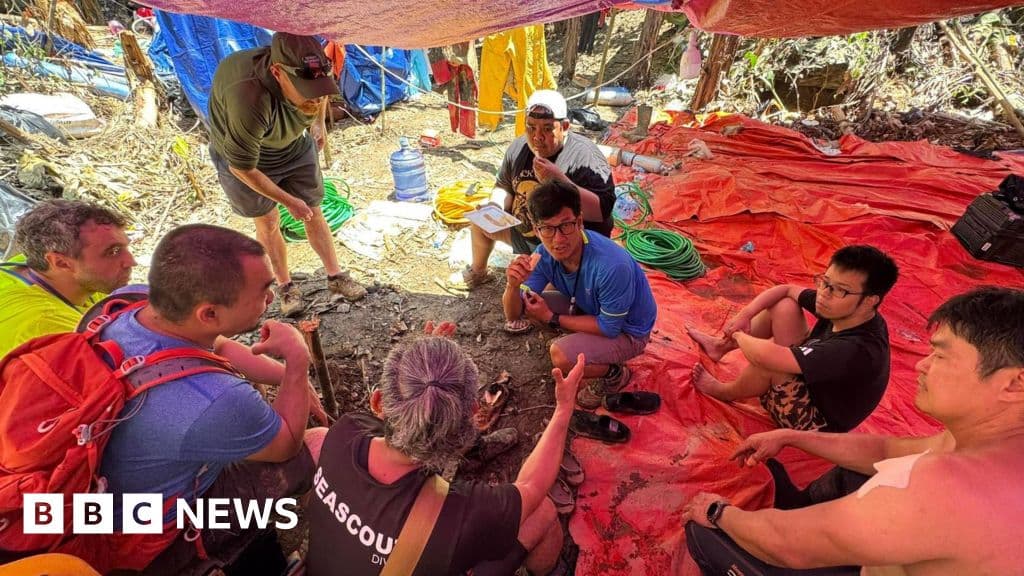
Survivors of the Laos cave rescue are aiding efforts to find the last two missing men trapped inside, sharing crucial insights for the search operation.
BBC World
A year after the tragic Air India crash, the Ali family reflects on grief, unanswered questions, and the enduring bonds of love in the face of loss.
BBC Business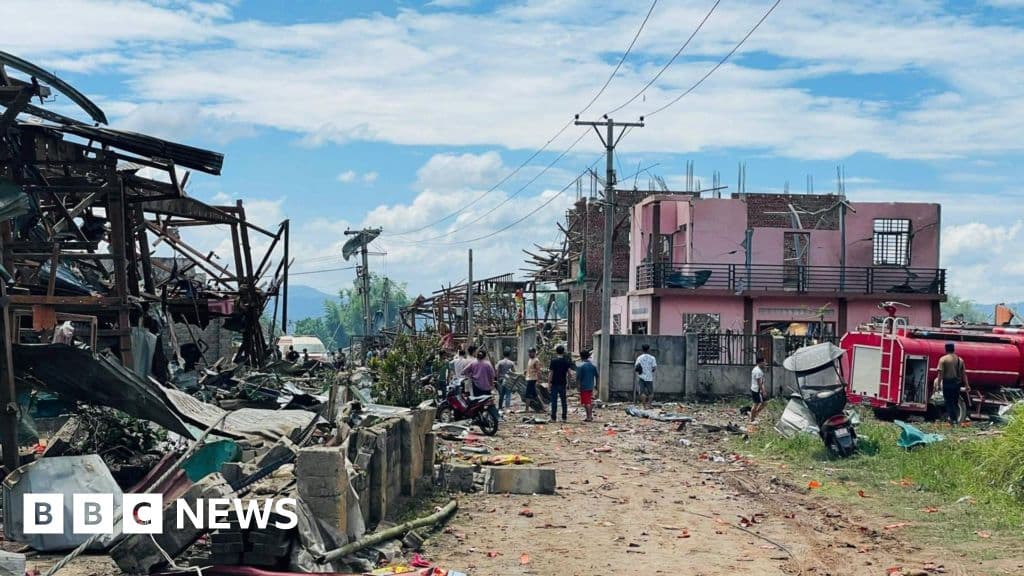
A devastating explosion in Myanmar's Kaung Tat village has killed at least 55 people, raising serious safety concerns and questions about civilian protection in conflict zones.
BBC World