

Image: BBC World
A shocking report reveals Colombian mercenaries backed by UAE played a pivotal role in Sudan's RSF capturing el-Fasher. Discover the implications.
GlipzoA recent investigation has unveiled a startling connection between Colombian mercenaries and the Rapid Support Forces (RSF) in Sudan, revealing how a network of these mercenaries, allegedly backed by the United Arab Emirates (UAE), played a pivotal role in the RSF's capture of el-Fasher last year. The report, compiled by the security analysis organization Conflict Insights Group (CIG), utilized phone tracking data from the Colombian fighters to substantiate these claims.
The findings are especially alarming as they uncover the UAE's involvement in the ongoing conflict, which has claimed tens of thousands of lives and displaced millions, marking it as one of the world's direst humanitarian crises. The conflict between the RSF and Sudan's regular army has persisted for nearly three years, and the fall of el-Fasher is described as one of the most brutal episodes in this ongoing war.
According to Justin Lynch, director of CIG, this is the first time that definitive proof linking the UAE to the RSF has been presented. Lynch stated, "We are making public what governments have long known - that there is a direct link between Abu Dhabi and the RSF."
The report details how the mercenaries were involved in drone operations, with evidence indicating that they traveled from a UAE military base to Sudan prior to the RSF's takeover of el-Fasher. Notably, some of the mercenaries even identified their Wi-Fi networks using the name of their unit, which is associated with a company based in the UAE. This connection underscores the intricate web of foreign involvement fueling the conflict.
CIG's investigation employed commercially available technology typically utilized for targeted advertising to track over 50 mobile phones in Sudan between April 2025 and January this year. These devices were linked to Colombian mercenaries operating in RSF-controlled territories from which drones were launched.
In addition to phone tracking, the report leveraged various other data sources, including: - Flight-tracking data - Satellite imagery - Social media videos - News articles and academic research
This comprehensive approach allowed CIG to trace the movements of mercenaries and establish a direct pipeline of their activities. Notably, one phone was tracked from Colombia to the UAE military training facility at Ghayathi, Abu Dhabi, where multiple devices configured in Spanish were discovered.
The report does not shy away from the grim reality of the situation in el-Fasher. During the RSF's takeover, the CIG tracked a phone that connected to a Wi-Fi network named “ATACADOR” (Spanish for “attacker”). The presence of Colombian mercenaries during this violent takeover has been documented, with the fall of el-Fasher resulting in mass atrocities that have been classified as war crimes and crimes against humanity by the International Criminal Court (ICC).
Lynch emphasizes that the UAE-Colombian mercenary network bears shared responsibility for the catastrophic outcomes in el-Fasher, stating, “The scale of atrocities and siege in el-Fasher wouldn’t have happened without their involvement.” This underscores the profound implications of foreign intervention in local conflicts, highlighting the necessity for greater accountability.
The revelations from the CIG's report have far-reaching implications, particularly in understanding the dynamics of the Sudanese conflict. The involvement of foreign mercenaries not only exacerbates the violence but also complicates efforts toward peace and stability in the region. As the situation continues to evolve, analysts agree that external support for both the RSF and the Sudanese army has been crucial to the conflict's persistence and escalation.
The report's findings call into question the UAE's role in international conflicts and its claims of neutrality. With the world now aware of these connections, it puts pressure on international bodies to hold accountable those who facilitate violence through mercenary activities.
As the conflict in Sudan continues to unfold, the spotlight is now on international responses to these findings. The United Nations and other global entities may be compelled to reassess their stance on the UAE's involvement in the Sudanese conflict. Observers will be closely monitoring any changes in foreign policy from the UAE and other nations regarding the RSF and the broader implications for peace in Sudan.
In summary, the findings of the CIG serve not only as a call to action for accountability and transparency but also as a stark reminder of the devastating impact of foreign involvement in local conflicts. The situation in Sudan remains precarious, and the international community must act decisively to prevent further atrocities.
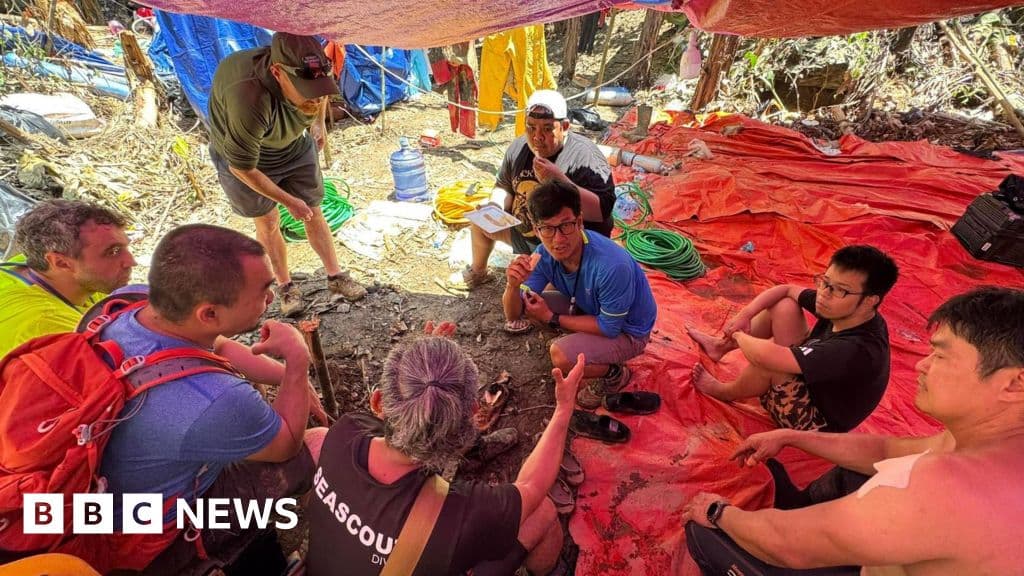
Survivors of the Laos cave rescue are aiding efforts to find the last two missing men trapped inside, sharing crucial insights for the search operation.
BBC World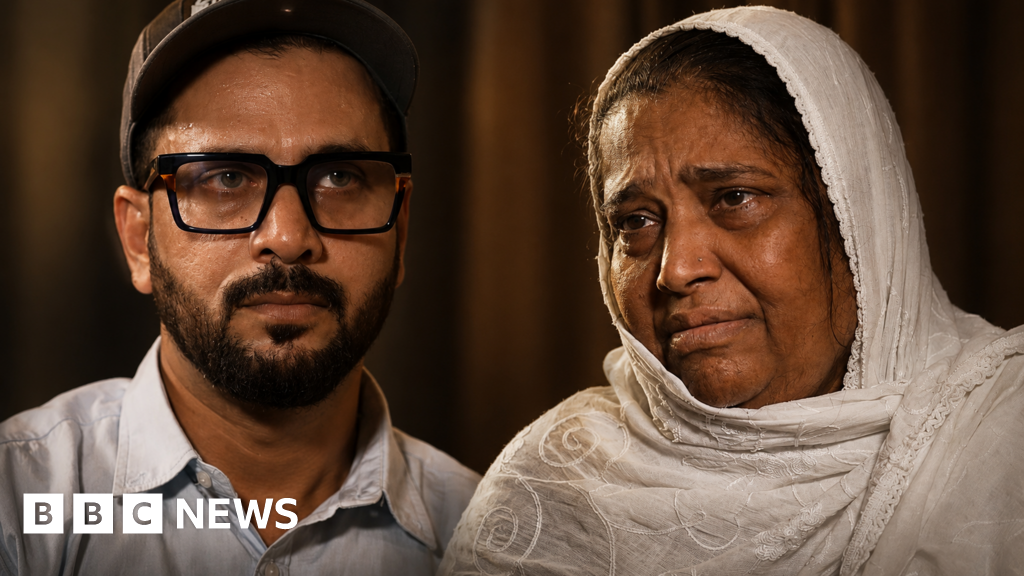
A year after the tragic Air India crash, the Ali family reflects on grief, unanswered questions, and the enduring bonds of love in the face of loss.
BBC Business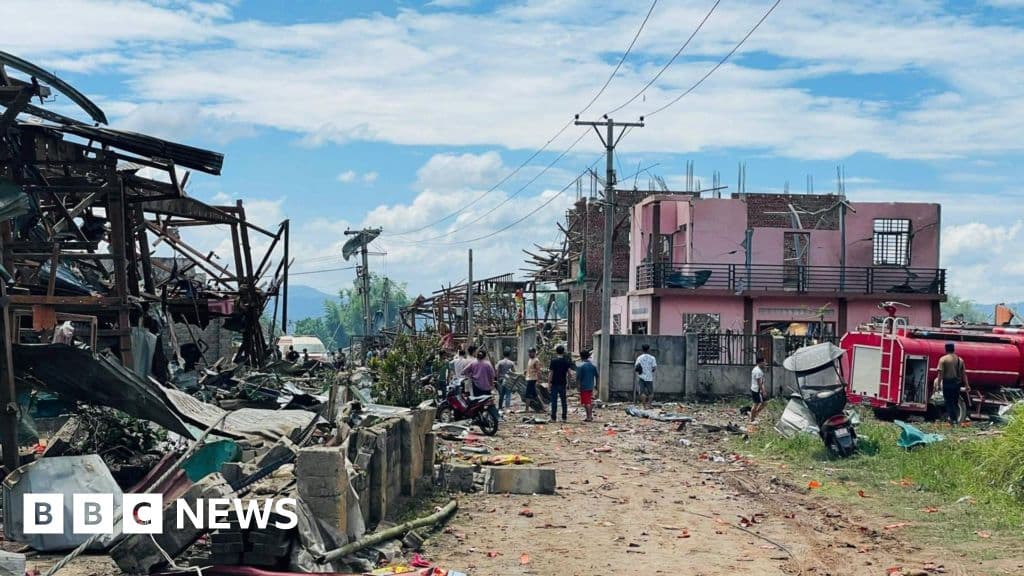
A devastating explosion in Myanmar's Kaung Tat village has killed at least 55 people, raising serious safety concerns and questions about civilian protection in conflict zones.
BBC World