
Image: BBC World
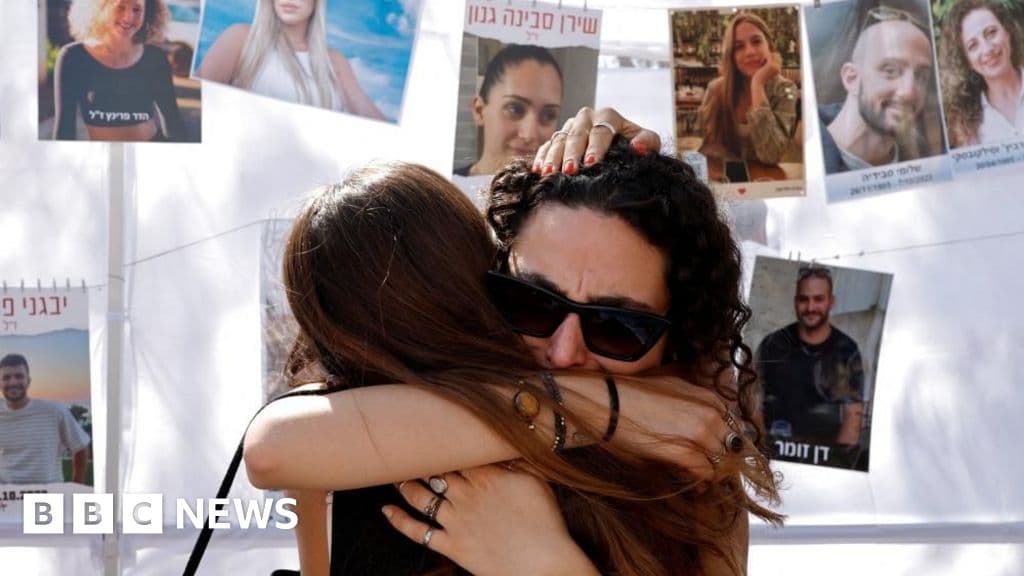
Shocking report details systematic sexual violence by Hamas during October 7 attacks. What does this mean for victims and future legal actions?
GlipzoAn independent investigation conducted in Israel has shed light on the systematic and widespread sexual violence perpetrated by Hamas and other Palestinian armed groups during the October 7, 2023 attacks. This comprehensive 300-page report outlines shocking accounts of rape, sexual assault, and torture that appear to have been used as weapons to inflict maximum pain on victims, including hostages.
The investigation stands out as the most thorough examination of these atrocities, drawing from 430 filmed interviews with survivors and witnesses, as well as over 10,000 photographs and videos taken by the attackers. Official records and materials collected from the sites of the attacks further support the report's findings.
While the United Nations and other organizations have previously reported on sexual violence during these attacks, the new report provides the most extensive evidence yet. Hamas has consistently denied any allegations of sexual and gender-based violence, both during the attacks and towards those held captive. However, a separate investigation by the UN’s Special Representative on Sexual Violence in Conflict found reasonable grounds to believe that sexual violence, including gang rape, had indeed occurred.
Witness accounts began to emerge almost immediately following the Hamas-led attacks, compelling an Israeli legal expert to initiate this commission. Survivors have described horrific scenes of gang rapes at events like the Nova dance festival, where over 370 individuals lost their lives in one of the most brutal attacks. Disturbingly, some victims were reported to have been shot in the head following their assaults, highlighting the cruel nature of these acts.
The report documents recurring testimonies from various sites, including kibbutzim and military bases, where bodies of women were discovered without their underwear and evidence of genital mutilation was reported. It details how extreme forms of sexual violence persisted against hostages held for extended periods, affecting both women and men. The authors describe these acts as “the weaponization of sexual violence”, underlining the strategic nature of the assaults.
Several former hostages, including Amit Soussana, Arbel Yehud, Romi Gonen, Rom Braslavski, and Guy Gilbol Dalal, have publicly shared their experiences of sexual assault. However, many victims have opted to speak only in private settings, confiding in medical professionals, therapists, and investigators. This disparity highlights the ongoing trauma and stigma associated with sexual violence, particularly in conflict zones.
The report reveals even more shocking claims, including an instance where two young relatives were coerced by their captors to engage in sexual acts with one another. This case is emblematic of a broader pattern of violence that specifically targeted family members, using familial relationships as tools of terror. According to the Civil Commission, these acts constitute war crimes, crimes against humanity, and genocidal acts under international law.
The evidence collected is being preserved in a secure archive, which may prove vital for future legal proceedings against the perpetrators of these crimes. As the investigation unfolded, it became clear that some initial accounts shared by Israeli officials regarding the violence were later found to be false. Additionally, crucial forensic evidence was lost due to the hasty actions of first responders at the attack sites.
The authors of the report have stated that the challenges of verifying evidence necessitated careful cross-referencing and fact-checking. Notably, they did not include any evidence derived from interrogations of detained suspects to maintain the report's independence. The Civil Commission aims not only to document these harrowing events but also to create a historical record that acknowledges the suffering endured by victims.
Given that many victims of sexual violence during the October 7 attacks have perished and others are grappling with profound trauma, the report seeks to ensure their suffering is neither forgotten nor denied.
The attacks on October 7 marked the deadliest day in Israel's history, igniting a conflict that has resulted in a staggering death toll in Gaza, with 72,742 Palestinians reported killed according to the Hamas-run Health Ministry. These figures are corroborated by the United Nations, which recognizes the reliability of the data provided by this source.
As the conflict continues, the implications of the report are significant. It underscores the urgent need for accountability and justice for the victims of these heinous acts. The international community will likely be watching closely as the evidence collected is utilized for potential prosecutions, and as further developments arise in the ongoing conflict.
As the dust settles from the immediate crisis, the focus will inevitably shift to how this report will influence future proceedings against those responsible for these acts. Legal experts, humanitarian organizations, and policymakers will need to grapple with the findings, especially concerning accountability for war crimes and addressing the trauma experienced by survivors.
In the coming months, additional discussions around sexual violence in conflict and its implications for international law may emerge, prompting global conversations about prevention, protection, and support for victims. The world will be watching to see how this harrowing chapter in history unfolds and what actions will be taken to ensure justice is served.
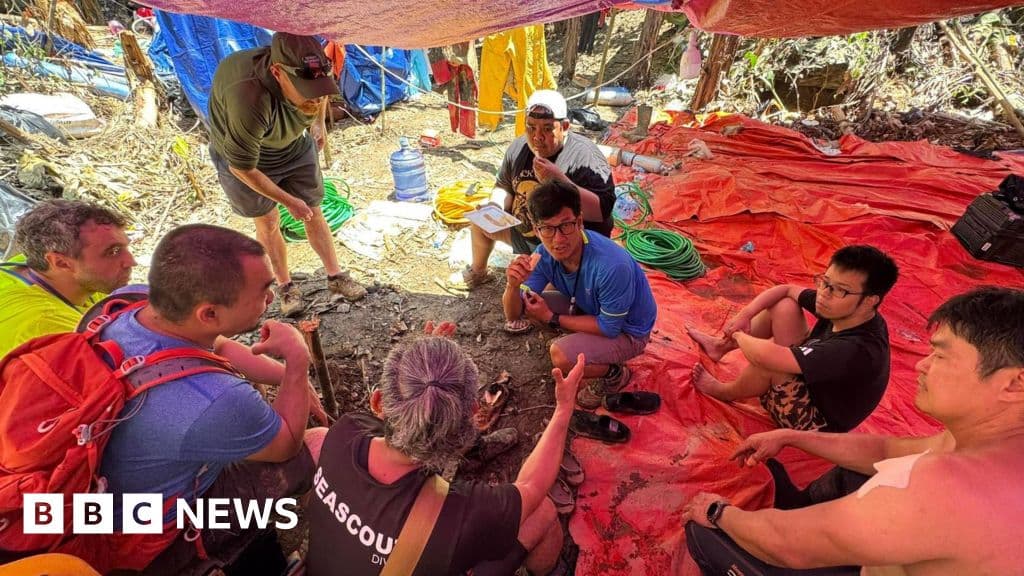
Survivors of the Laos cave rescue are aiding efforts to find the last two missing men trapped inside, sharing crucial insights for the search operation.
BBC World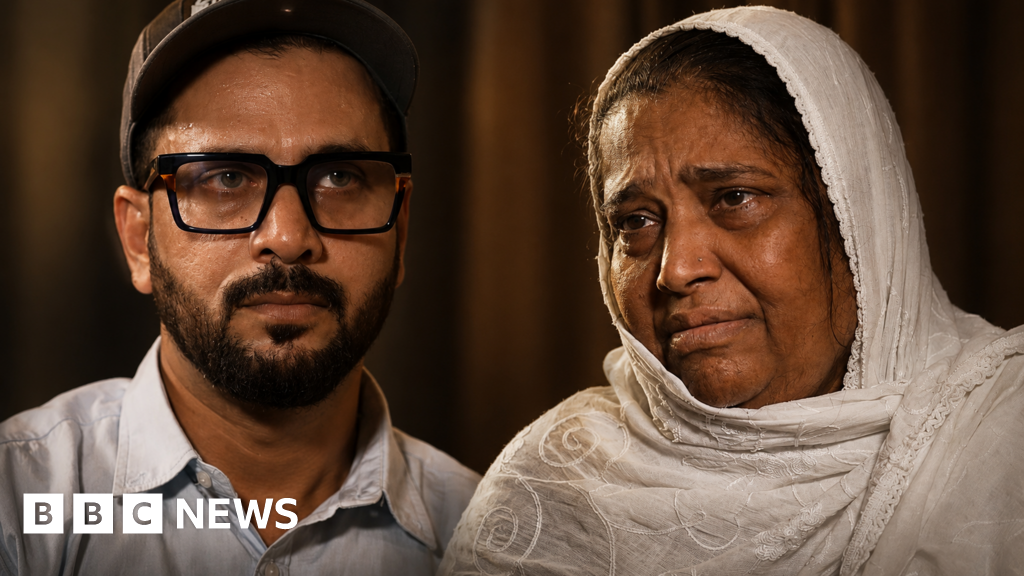
A year after the tragic Air India crash, the Ali family reflects on grief, unanswered questions, and the enduring bonds of love in the face of loss.
BBC Business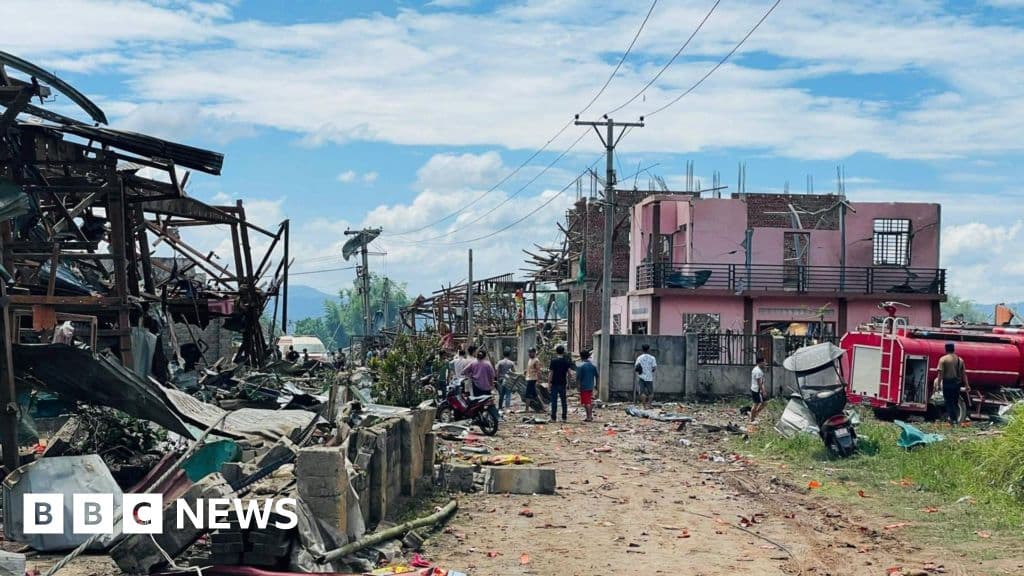
A devastating explosion in Myanmar's Kaung Tat village has killed at least 55 people, raising serious safety concerns and questions about civilian protection in conflict zones.
BBC World