
Image: BBC World
A shocking shooting at Teotihuacán raises concerns about rising lone-wolf violence in Mexico. What does this mean for safety and tourism?
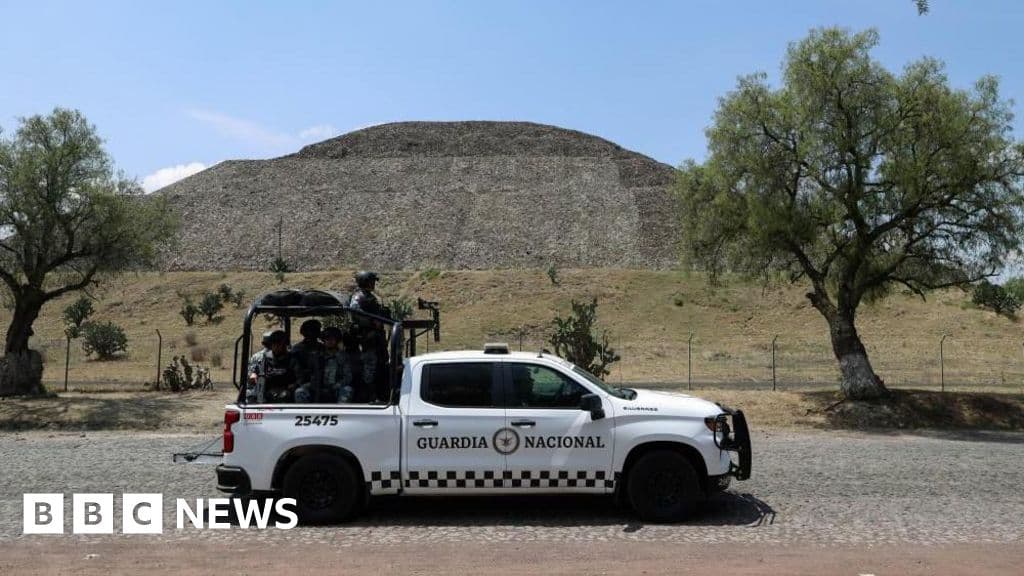
GlipzoIn a harrowing incident that shook the ancient pyramid complex of Teotihuacán on October 23, 2023, a casual morning visit to one of Mexico's top tourist attractions turned into a nightmare as a gunman opened fire on unsuspecting tourists. The scene was chaotic and distressing, with tourists desperately seeking shelter among the monumental stone structures. Tragically, a 32-year-old Canadian woman lost her life, and the shooter, identified as Julio César Jasso Ramírez, a 27-year-old Mexican, subsequently died from a self-inflicted gunshot wound.
This shocking act of violence not only left the local community in shock but also raised serious concerns for the Mexican government, especially as the country prepares to co-host the men's football World Cup later this year. With visitors from countries like Russia, Colombia, and Brazil involved, the ramifications could be significant for Mexico's international tourism reputation.
Authorities quickly determined that this tragic event was not connected to the notorious drug cartels that have plagued Mexico for years. Unlike the recent wave of violence attributed to the Jalisco New Generation Cartel, which followed the death of their leader “El Mencho,” this attack was carried out by an individual acting alone, with no apparent ties to organized crime.
José Luis Cervantes Martínez, the Attorney-General of Mexico State, stated, "The aggressor planned and carried out the attack on his own, and there is absolutely no indication that he had any external help or that any other individuals were involved in this incident." Investigators discovered the shooter’s belongings, which included a handgun, a tactical knife, and disturbing materials that hinted at a possible obsession with previous violent events, including the Columbine school shooting.
As the authorities piece together the motives behind this attack, they are increasingly concerned about a potential shift in the nature of violence in Mexico. The traditional narrative of cartel-related crime is now complicated by incidents of lone wolf attackers committing mass violence. This incident marks a worrying trend that mirrors patterns seen in the United States, where mass shootings have become tragically common.
Dr. Valeria Villa, a family therapist specializing in mental health in Mexico, expressed alarm over this transition, stating, "This is a very unfortunate, lamentable and worrying moment, reflecting the imitation of mass killings we observe in the United States." This alarming trend is compounded by the desensitization of society to violence, particularly among the youth, shaped by ongoing drug cartel conflicts.
While the availability of firearms in Mexico is significantly restricted compared to the U.S., the black market remains a viable source for those seeking weapons. Many firearms used in violent incidents have been smuggled across the border from the United States, contributing to the ongoing cycle of violence.
The Mexican government, under President Claudia Sheinbaum, has touted successes in reducing daily homicide rates through federal security strategies. Nevertheless, the increasing frequency of mass shooting incidents highlights a disturbing shift in the fabric of violence in Mexican society. As authorities search for answers, they face the challenging task of addressing both the immediate implications of this shooting and the larger societal issues at play.
This incident is a stark reminder of the evolving landscape of violence in Mexico, where traditional narratives of cartel wars are being overshadowed by acts of individual aggression. As the country prepares for high-profile events like the World Cup, ensuring the safety of tourists has become paramount. The perception of Mexico as a safe travel destination hangs in the balance, and the government must navigate these treacherous waters carefully.
In the wake of this shooting, authorities are likely to increase security measures at tourist sites and engage in public discussions about mental health and gun control. The broader implications of this incident extend beyond Mexico, reflecting a universal concern regarding the rise of lone-wolf violence and its impact on society.
As investigations continue, the focus will be on understanding the motivations behind Julio César Jasso Ramírez's actions. Authorities will be tasked with not only managing the immediate fallout but also addressing the underlying societal issues that may have contributed to this tragedy. Stakeholders from various sectors must collaborate to ensure safety and prevent further incidents.
Moving forward, attention will also need to be given to mental health resources and community support systems to mitigate the risks of similar events. The potential for copycat incidents, especially among vulnerable individuals, remains a critical concern that requires proactive measures from the government and society as a whole.
In conclusion, the shooting at Teotihuacán is not just a localized tragedy; it is a call to action for Mexican authorities and society to confront the complexities of violence in the modern world. The coming months will reveal how effectively the nation can respond to these challenges while safeguarding its citizens and visitors alike.
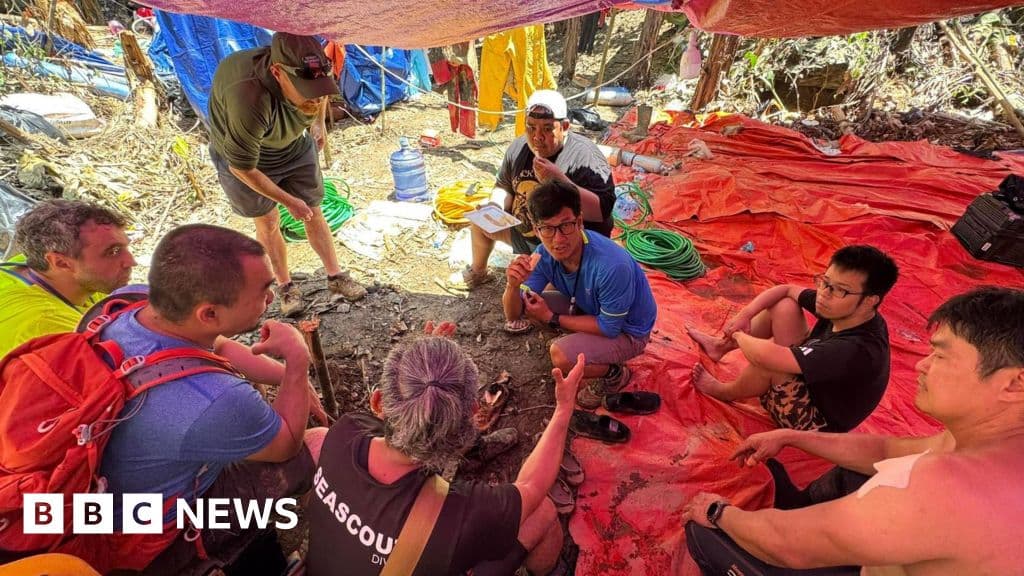
Survivors of the Laos cave rescue are aiding efforts to find the last two missing men trapped inside, sharing crucial insights for the search operation.
BBC World
A year after the tragic Air India crash, the Ali family reflects on grief, unanswered questions, and the enduring bonds of love in the face of loss.
BBC Business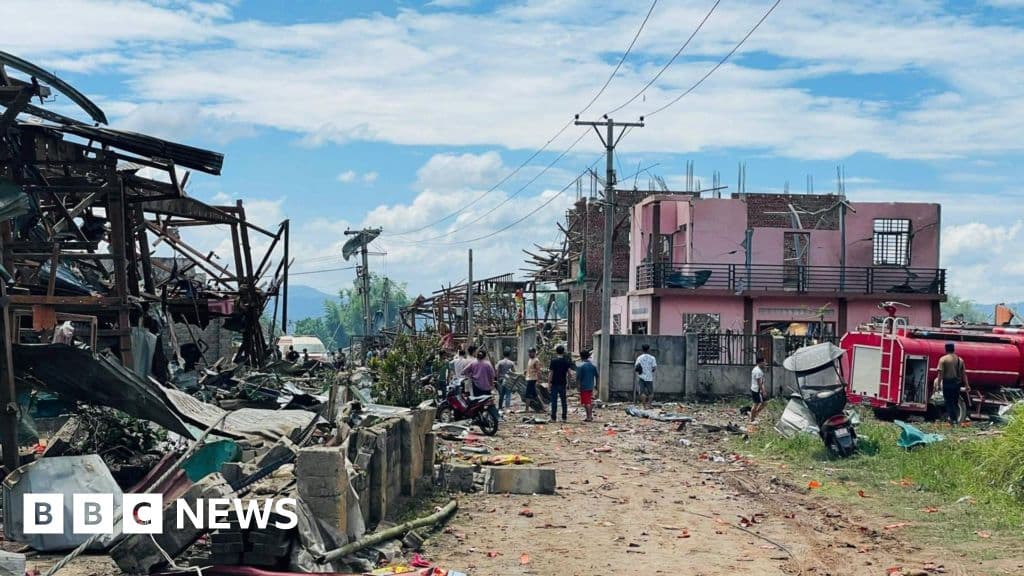
A devastating explosion in Myanmar's Kaung Tat village has killed at least 55 people, raising serious safety concerns and questions about civilian protection in conflict zones.
BBC World