

Image: Wired
Discover how a new game, H1B.Life, highlights the struggles of immigrants navigating the US visa system, creating empathy through interactive storytelling.
GlipzoWhen Allison Yang relocated from China to the United States two years ago, she quickly recognized a unique phenomenon among immigrants: the way they discussed their visa statuses resembled a card game. At a gathering in New York, she overheard conversations filled with terms like H-1B, OPT, and L-1—legal categories that define the immigration experience. This exchange was not just casual chitchat; it was a way to share complex personal journeys in a familiar format, akin to laying down cards on a table.
For many immigrants, this jargon serves as a common language to navigate the labyrinth of US immigration, but it often leaves native-born Americans bewildered. Despite a general support for immigration, the intricacies of the visa system can feel foreign to those who have never had to traverse it. This disconnect motivated Yang to create a video game titled H1B.Life, designed to simulate the often challenging experience of applying for a US work visa, reflecting the heightened scrutiny immigrants face today.
Set to launch this summer, H1B.Life is not your typical video game. It immerses players in a visual novel where they take on the role of a character transitioning from a student visa to a work visa in the US. Players are presented with various life decisions that will impact their character’s financial stability, social networks, and resourcefulness—all critical factors that influence immigration outcomes.
However, the game goes beyond mere choices. It features a unique slot machine mechanic that introduces random global events, such as economic downturns or political unrest, which can dramatically alter the character's path. This innovative approach is designed to highlight the unpredictability of the immigration process, reflecting the often chaotic realities immigrants must navigate.
The development team behind H1B.Life includes nine members, with over half having direct experience with the US visa system. Most hail from China, but the team made a conscious effort to include diverse voices from other countries, aiming to provide a broader perspective on immigration issues.
“Everyone knows someone on a visa, but not everyone shares their experiences openly,” explains Andrea Saravia Pérez, a Colombian immigrant and narrative designer. “We wanted to create an interactive project that sheds light on this immigration system that many Americans don’t fully understand.”
This initiative is part of a larger movement within the gaming industry to address significant societal issues through interactive storytelling. Yang noted that when she presented H1B.Life at the annual Game Developers Conference in San Francisco, it garnered substantial interest due to its commitment to addressing an important social concern without a primary focus on profit. The project has received backing from a philanthropic organization, and the team plans to launch a Kickstarter campaign for additional funding.
The interest in H1B.Life is not limited to the United States. Yang has received inquiries from international audiences, including individuals in Germany and Australia, who are interested in adapting the game for their own countries. “The global political climate is shifting, and challenges for immigrants are becoming more universal,” she observes.
Yang and her team are hopeful that by placing players in the shoes of immigrants, they can foster understanding and empathy. “If players can have fun while also gaining insight into these struggles, we will have achieved our goal,” adds Saravia Pérez.
The H-1B visa program, established in 1990, is a crucial pathway for skilled professionals seeking employment in the US. Annually, approximately 85,000 visas are issued; however, the demand often exceeds supply, leading to a lottery system for selection. Those who are not chosen must wait an entire year before they can reapply, creating a cycle of uncertainty and anxiety for many. Each individual’s journey through this system can be filled with both triumphs and setbacks, serving as a poignant reminder of the challenges faced by immigrants in pursuit of the American Dream.
The creation of H1B.Life is more than just a gaming venture; it represents a vital effort to raise awareness about immigration issues that many Americans may overlook. By using an interactive format, the developers aim to bridge the gap between those familiar with the immigration process and those who are not, facilitating a deeper understanding of the complex challenges immigrants face.
As the landscape of immigration continues to evolve, the story told through H1B.Life may resonate even more powerfully. With rising anti-immigrant sentiments and policy changes worldwide, the need for understanding and empathy remains crucial. The success of this game could pave the way for more politically charged gaming projects, encouraging developers to tackle difficult subjects in innovative ways. As the launch approaches, many will be watching to see how players respond and whether this game can spark meaningful conversations about immigration.
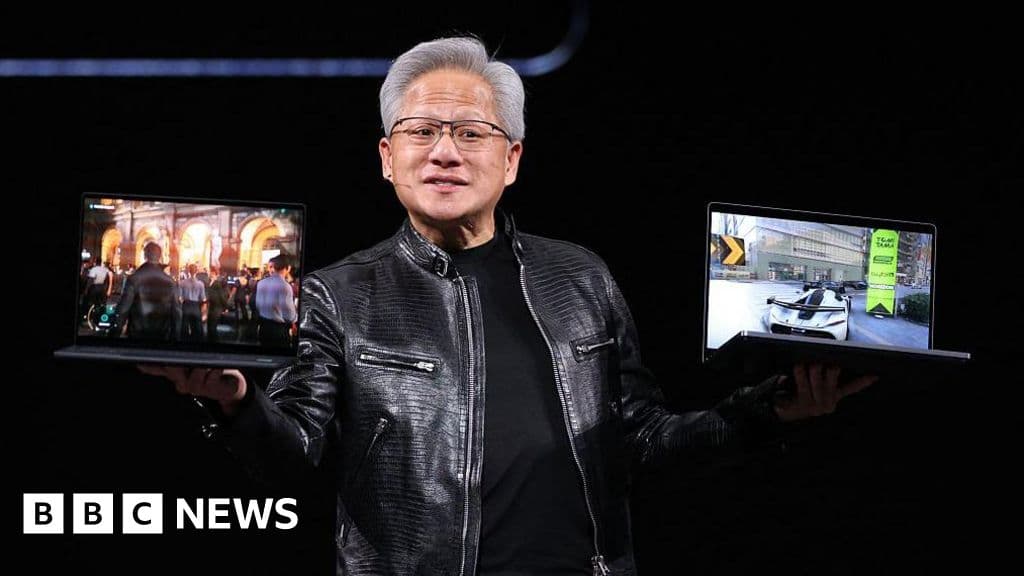
Nvidia's new RTX Spark chip aims to transform personal computing with AI, marking a significant shift in technology. Discover what this means for consumers.
BBC Business
The explosion of Blue Origin's New Glenn rocket raises significant concerns over NASA's lunar ambitions and the future of Amazon's satellite projects. Discover the implications.
BBC Science
Discover how Meta's lack of engagement on user bans raises critical concerns about accountability and transparency in social media governance.
BBC Technology