

Image: Times of India
Iran's missile strike on Qatar's LNG hub raises global energy concerns. What does this mean for international relations and markets? Click to find out.
GlipzoIn a stunning escalation of regional tensions, Iran has launched a missile that struck Ras Laffan, home to the world's largest liquefied natural gas (LNG) facility, located in Qatar. This incident, which occurred on October 21, 2023, has sent shockwaves through the global energy market and raised alarms about the stability of the region. The strike not only highlights Iran's missile capabilities but also poses serious implications for international energy security.
The attack on Ras Laffan comes amid escalating geopolitical tensions between Iran and its Gulf neighbors. Analysts are now grappling with the potential fallout from this incident, as Ras Laffan plays a crucial role in the global LNG supply chain. Qatar has been a key supplier to countries around the globe, and any disruption to its operations could have a significant impact on energy prices worldwide.
Following the missile strike, there has been a notable increase in LNG prices, as traders and governments scramble to assess the implications of this attack. Key points to consider: - Short-term volatility: Energy prices are likely to fluctuate as markets react to the uncertainty surrounding Qatar's production capacity. - Long-term ramifications: Depending on the scale of the damage and any potential retaliatory actions from Qatar or allied nations, the global LNG market could face serious disruptions. - Supply chain concerns: Countries reliant on Qatari LNG may need to explore alternative sources, which could lead to increased competition and costs.
The global community is watching closely, as the ramifications of this strike will unfold in the coming weeks. Governments and energy analysts are particularly concerned about what this means for energy security in Europe and Asia, which depend heavily on Qatari LNG exports.
The relationship between Iran and Qatar has always been complex. While both nations are members of the Organization of the Petroleum Exporting Countries (OPEC), they have often found themselves on opposite sides of various regional conflicts. Iran's support for groups like Hezbollah and its involvement in Yemen against Saudi-backed forces have created a rift.
Qatar, on the other hand, has pursued a more independent foreign policy and has been accused of supporting groups that Iran opposes. This latest attack signifies a new level of hostility, raising questions about future diplomatic relations in the Gulf region.
As regional tensions rise, experts urge for caution and dialogue. Here’s what to watch for in the aftermath of this missile strike: - Potential retaliatory measures: Both Qatar and its allies may respond to Iran's aggression, which could lead to further military escalation. - Global diplomatic responses: The attack will likely prompt discussions among Western nations about how to address Iran's missile program and its implications for regional security. - Energy supply adjustments: Countries that rely on Qatari LNG may need to formulate contingency plans for energy supply diversification.
The international community is now in a precarious position, as they must balance the urgent need for energy security with the risks of escalating military conflict in the Gulf region. The situation is fluid and requires close monitoring as events develop.
The missile strike on Ras Laffan is more than just an isolated incident; it represents a significant shift in the dynamics of the Persian Gulf. The implications of this attack could extend far beyond regional borders, affecting global energy prices and diplomatic relations.
As tensions increase, this incident underscores the fragile state of peace in the Middle East and the need for robust diplomatic efforts to prevent further escalations. Energy security is paramount for many nations, and the potential for conflict poses a serious challenge to maintaining stable energy supplies in an already volatile market.
In conclusion, the world watches as the repercussions of Iran's missile strike unfold. Will this lead to a new wave of conflict in the Gulf, or can diplomatic channels effectively mitigate the situation? The coming weeks will be crucial in determining the future of energy security and regional stability. Stay tuned for updates as this story develops.
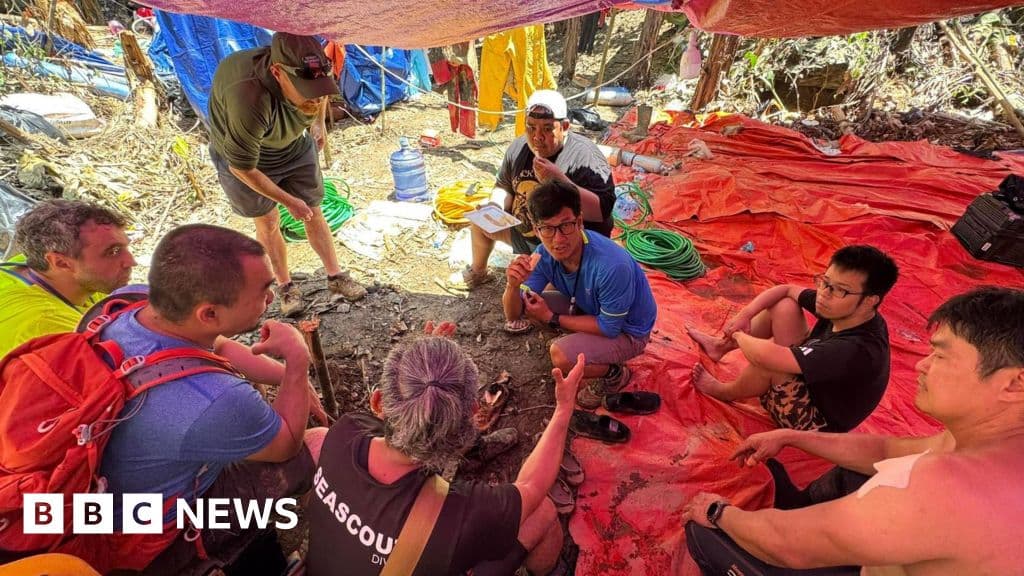
Survivors of the Laos cave rescue are aiding efforts to find the last two missing men trapped inside, sharing crucial insights for the search operation.
BBC World
A year after the tragic Air India crash, the Ali family reflects on grief, unanswered questions, and the enduring bonds of love in the face of loss.
BBC Business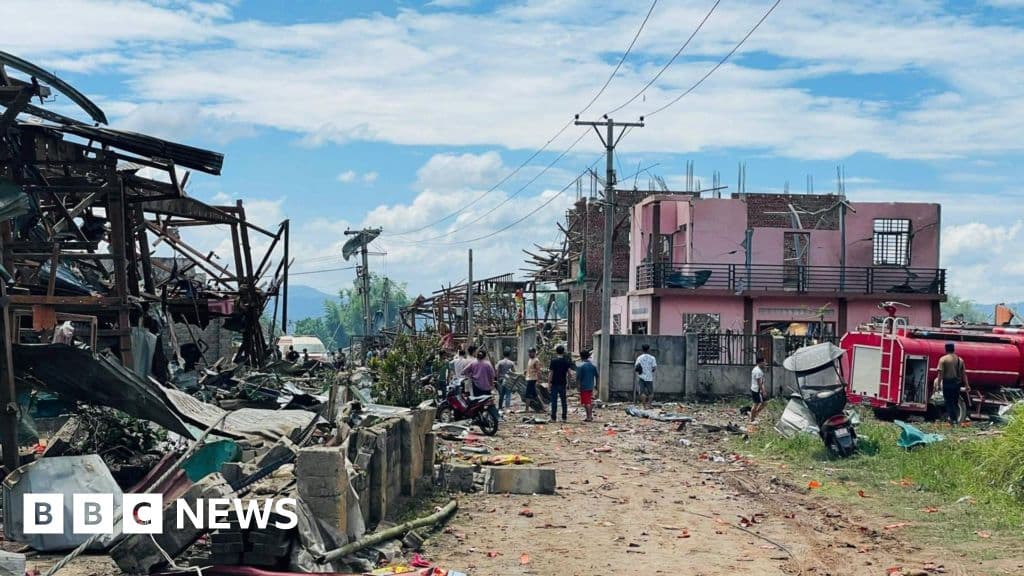
A devastating explosion in Myanmar's Kaung Tat village has killed at least 55 people, raising serious safety concerns and questions about civilian protection in conflict zones.
BBC World