
Image: BBC World
Israeli strikes in Lebanon have killed 39, escalating tensions with Hezbollah. Discover the humanitarian crisis and what this means for peace in the region.
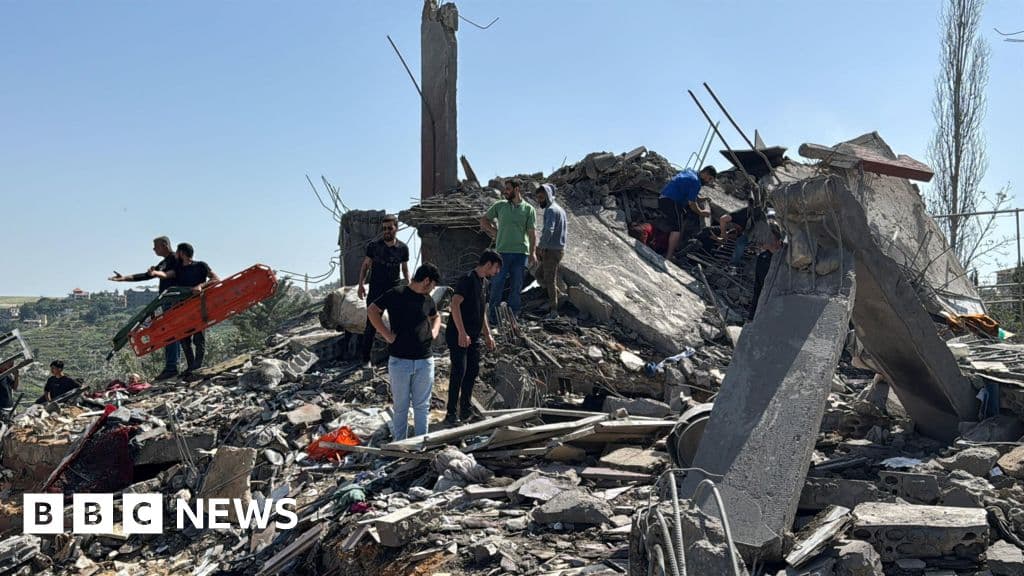
GlipzoOn a tragic day for Lebanon, 39 individuals were reported dead following a series of intense airstrikes launched by Israel, as confirmed by the country's health ministry. This latest round of violence has further escalated existing tensions between the Israeli military and Hezbollah, the Iranian-backed group operating in Lebanon. The assaults are part of a broader conflict that has seen a rapid deterioration of peace in the region.
Among the most devastating strikes was one that hit the southern town of Saksakiyeh, where at least seven people, including a child, lost their lives. The Lebanese health ministry has termed the fatalities as “martyrs,” highlighting the human cost of the ongoing hostilities. The situation underscores the dire humanitarian crisis unfolding as a result of the persistent violence.
The Israel Defense Forces (IDF) stated that their operations were aimed at targeting Hezbollah, which they describe as a terrorist organization. They acknowledged the civilian casualties, noting that they are “aware of reports regarding harm to uninvolved civilians.” This admission highlights the complex nature of military engagements in densely populated areas, where distinguishing between combatants and civilians becomes increasingly difficult.
Israeli airstrikes have predominantly affected southern Lebanon, where the IDF claims to be dismantling Hezbollah’s infrastructure and operational capabilities. The military has conducted numerous strikes in the area, asserting that they are using precision munitions and aerial surveillance to minimize civilian harm. However, the effectiveness of these measures is being called into question as civilian death tolls rise.
The renewed violence comes amid a history of conflict between Israel and Hezbollah, particularly following a ceasefire deal announced by former U.S. President Donald Trump on April 16. Despite the ceasefire, both sides have continued to engage in hostilities, further complicating an already fragile peace.
In the last week alone, Israeli strikes have reportedly claimed the lives of over 120 individuals in Lebanon, including women and children. The Lebanese health ministry has not differentiated between combatants and civilians, further complicating the narrative around casualties. The humanitarian impact of these strikes cannot be understated, as entire villages have been decimated, leading to widespread displacement and suffering among the civilian population.
As the conflict continues to unfold, the prospect of a peaceful resolution seems distant. The Israeli government has indicated that its military presence in Lebanon is aimed at establishing a Hezbollah-free security zone along its northern border. However, the ongoing military actions are likely to exacerbate tensions, leading to further retaliatory measures from Hezbollah.
Since March 2, a staggering 2,795 individuals have reportedly been killed in Lebanon, underscoring the urgent need for international intervention and dialogue. Israeli authorities have recorded 17 soldiers and two civilians killed as well, illustrating the toll of the conflict on both sides.
The situation remains fluid, and as both Israel and Hezbollah engage in this deadly game of retaliation, the international community must pay close attention. Diplomatic efforts are critical now more than ever to prevent further loss of life and to seek a lasting resolution to this decades-long conflict. As the death toll rises and the humanitarian crisis deepens, the world watches closely to see how this volatile situation will evolve in the coming weeks.
The pressing question remains: Will any meaningful dialogue emerge from the ashes of this conflict, or will the cycle of violence continue unabated? The fate of countless lives hangs in the balance as Lebanon grapples with the consequences of this devastating escalation.
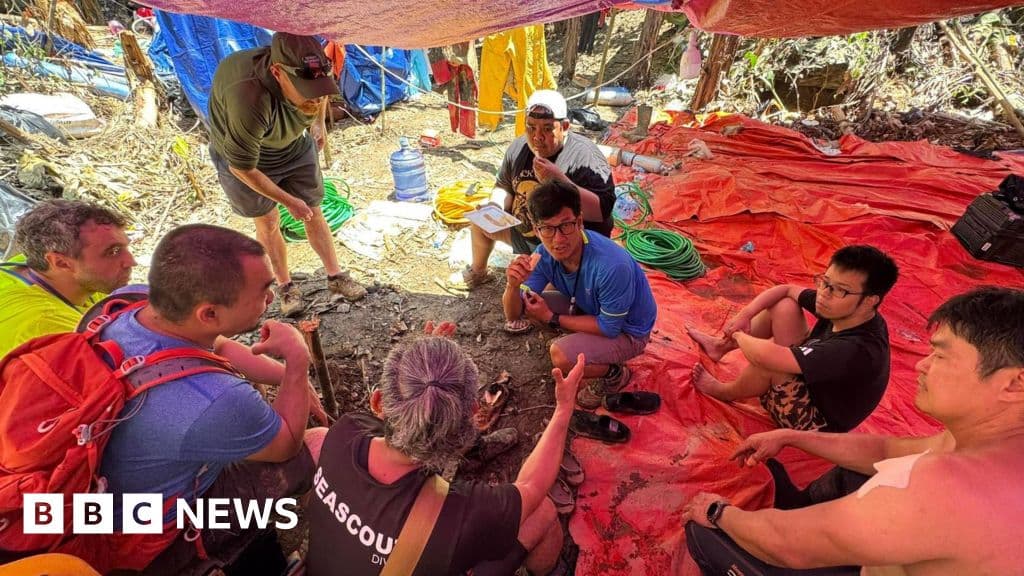
Survivors of the Laos cave rescue are aiding efforts to find the last two missing men trapped inside, sharing crucial insights for the search operation.
BBC World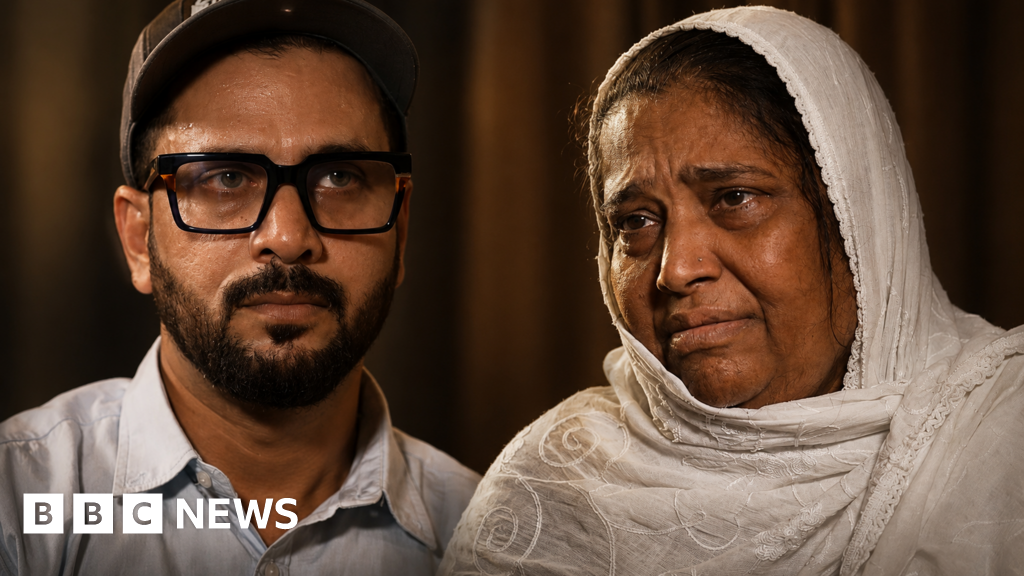
A year after the tragic Air India crash, the Ali family reflects on grief, unanswered questions, and the enduring bonds of love in the face of loss.
BBC Business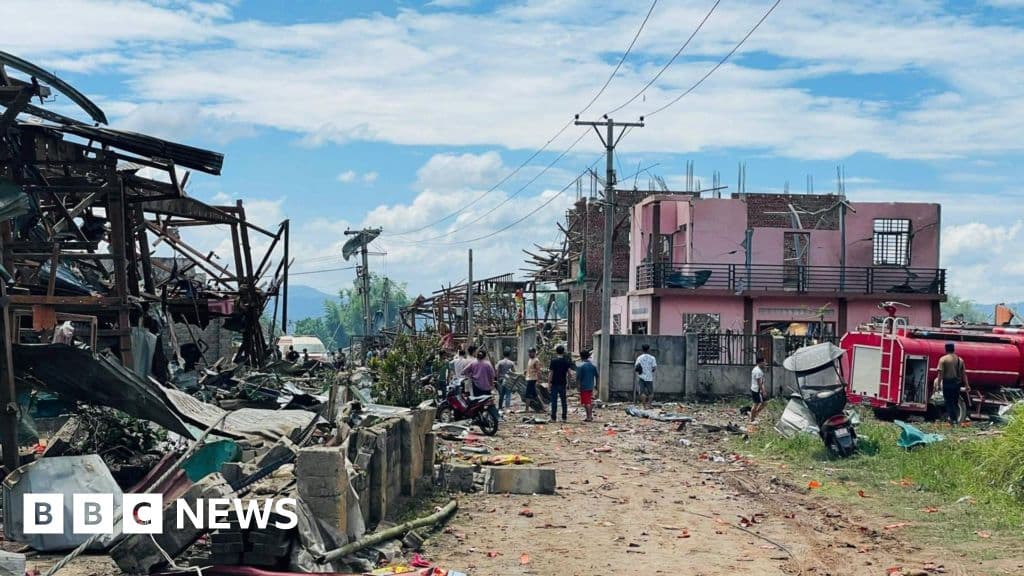
A devastating explosion in Myanmar's Kaung Tat village has killed at least 55 people, raising serious safety concerns and questions about civilian protection in conflict zones.
BBC World