
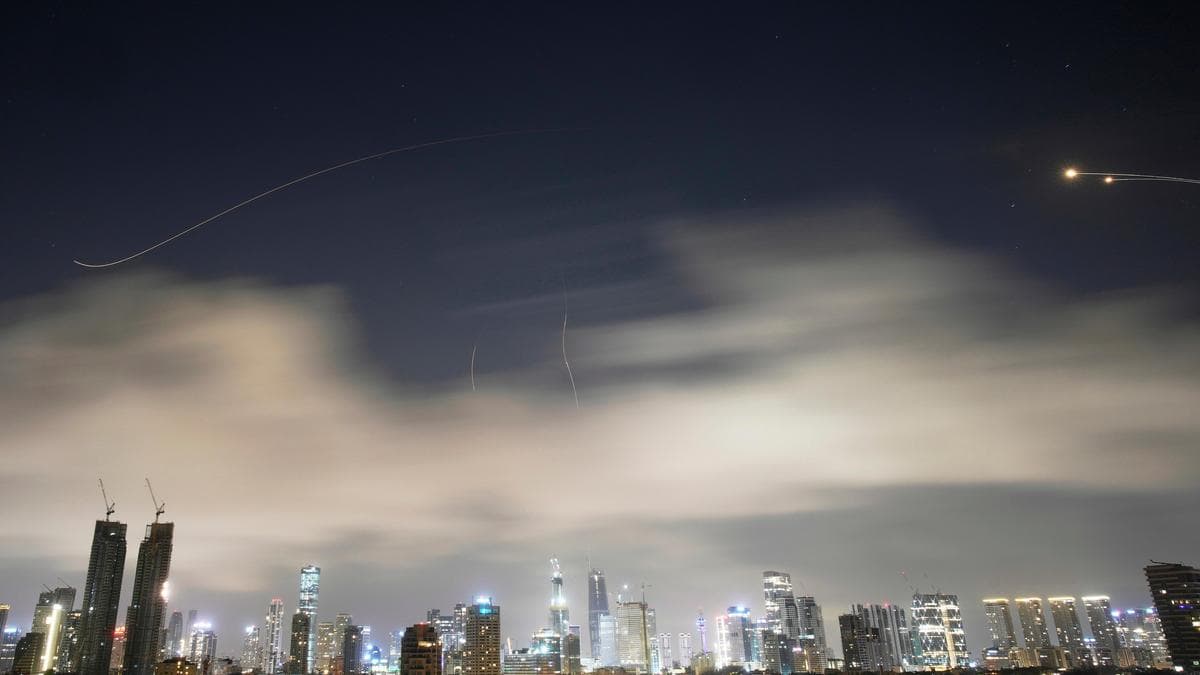
Image: The Hindu
A missile fragment struck a U.S. consul residence in Jerusalem, escalating tensions between Iran and Israel. No injuries reported. What’s next for U.S.-Iran relations?
GlipzoIn a tense escalation of hostilities, a fragment of an Iranian missile struck a residential building utilized by the U.S. consul in Jerusalem early on March 15, 2026. This incident highlights the ongoing conflict between Iran and Israel, which has seen significant military actions in recent weeks. Reports indicate that while damage occurred to the facility, no U.S. personnel were injured, according to statements from the U.S. State Department.
The missile fragment landed in a predominantly residential area, raising concerns among local and international communities about the safety of diplomatic missions in conflict zones. A spokesperson for the State Department asserted that the United States strongly condemns such aggressive actions by Iran and its allied militant groups, emphasizing the need to protect diplomatic and civilian infrastructure.
The relationship between Iran and Israel has been fraught with animosity, particularly in recent years. The two nations have been engaged in a proxy war across the Middle East, with Iran supporting various militant factions that oppose Israel. This escalating war has involved missile strikes, air defense interceptions, and growing military confrontation.
The March 15 incident is not an isolated event but rather part of a larger pattern of attacks that have characterized the current phase of this conflict. As tensions rise, both Iran and Israel have ramped up their military capabilities, leading to an unstable security environment in the region.
Following the missile strike, the U.S. government reiterated its commitment to holding Iran accountable for its actions. The State Department's statement emphasized the importance of safeguarding diplomatic missions, stating: > "The United States strongly condemns Iran and Iran-backed terrorist militias’ attacks on diplomatic, military, and civilian infrastructure, in the region."
This condemnation comes amid broader concerns about Iran's military ambitions and its implications for global security. The U.S. has long been an ally of Israel, and incidents like these often lead to calls for increased military support and enhanced security measures for American diplomatic missions abroad.
In the wake of this dramatic incident, several key developments will be crucial to monitor: - Potential military retaliation by Israel or the U.S. against Iran could escalate the situation further. - The U.S. may increase its presence in the region, potentially deploying more forces to safeguard its embassies and consulates. - International diplomatic responses from allies and adversaries alike will shape the next steps in the conflict.
As the world watches closely, the ramifications of this missile strike extend far beyond the immediate impact on U.S. personnel; they signal a potential shift in the regional balance of power and underline the urgent need for diplomatic solutions to prevent further violence. The upcoming weeks will be critical in determining whether this incident leads to heightened confrontations or renewed efforts for peace.
The incident involving the Iranian missile fragment serves as a stark reminder of the volatile situation in the Middle East and the ongoing threats faced by diplomatic missions. With both sides on high alert, the international community will be keenly observing the responses from the U.S. and Israel, as well as Iran's potential next moves in this high-stakes geopolitical chess match.
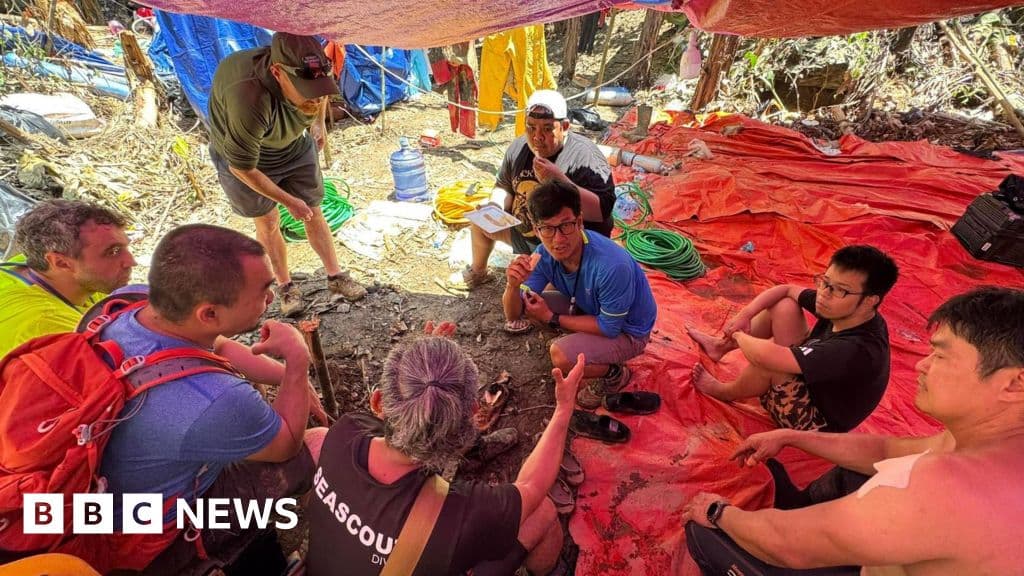
Survivors of the Laos cave rescue are aiding efforts to find the last two missing men trapped inside, sharing crucial insights for the search operation.
BBC World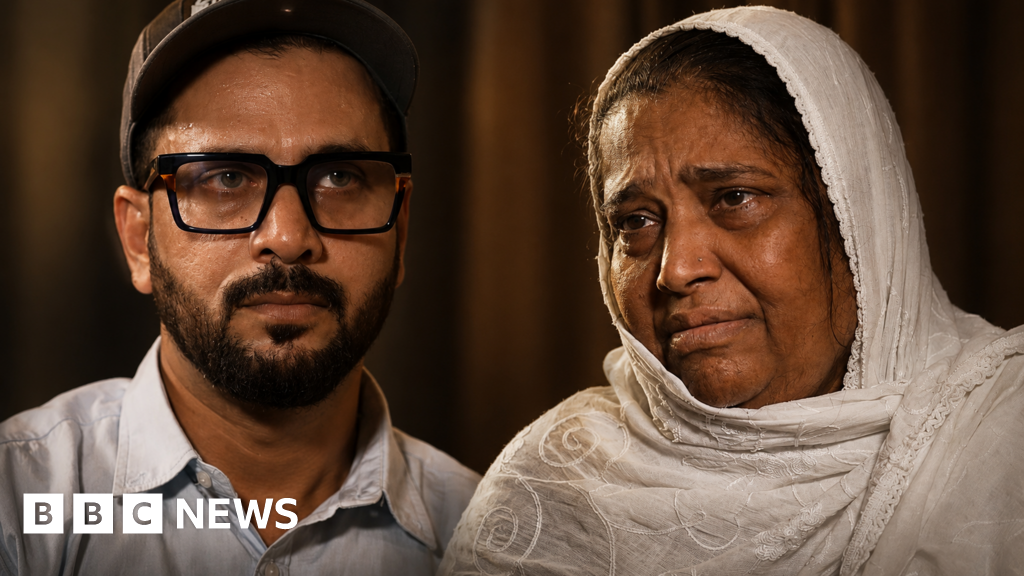
A year after the tragic Air India crash, the Ali family reflects on grief, unanswered questions, and the enduring bonds of love in the face of loss.
BBC Business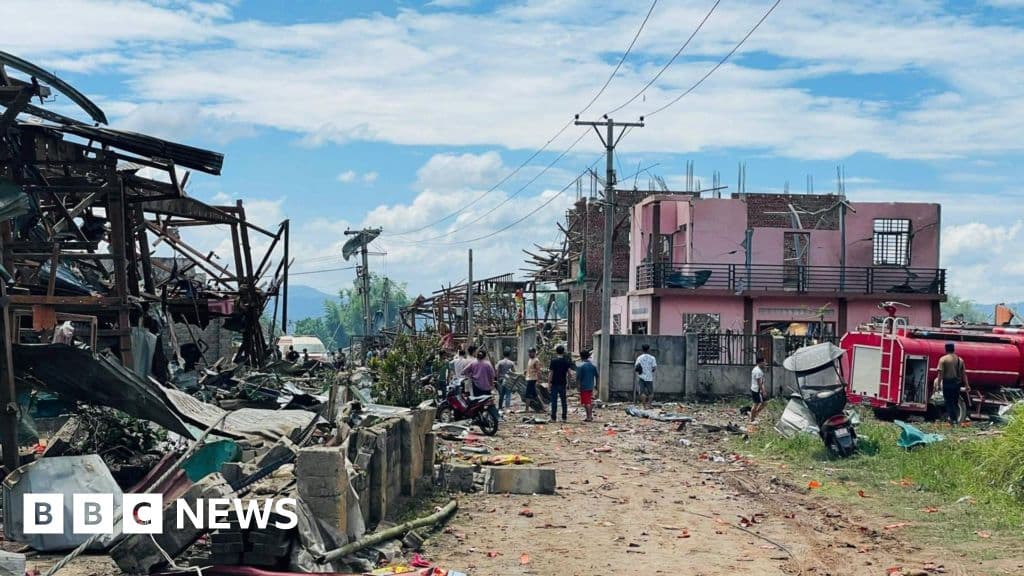
A devastating explosion in Myanmar's Kaung Tat village has killed at least 55 people, raising serious safety concerns and questions about civilian protection in conflict zones.
BBC World