

Image: The Hindu
Tensions escalate as Iran retaliates against Israel post-Netanyahu’s claims. Diverging views from Trump and implications for global energy markets emerge.
GlipzoIn a dramatic escalation of the ongoing conflict, Iran launched a series of missile attacks aimed at Israel late on Thursday, March 19, 2026, following Israeli Prime Minister Benjamin Netanyahu's controversial declaration that the Islamic Republic has been "decimated" by the ongoing war. The Israeli military reported detecting three rounds of missile fire within a mere hour and a half before midnight, with additional strikes occurring in the early hours of Friday.
This latest military exchange underscores the volatile nature of the situation in the Middle East, where tensions have reached a boiling point. As the conflict stretches into its 20th day, the stakes are higher than ever, not only for the nations directly involved but also for global energy markets and international diplomacy.
Amidst this backdrop of escalating violence, U.S. President Donald Trump and Netanyahu have found themselves in an unusual position of disagreement regarding Israel's military strategies. Their differing rhetoric particularly centers on Israel's recent airstrike on the crucial South Pars gas field, which is a significant asset for Iran's energy sector.
Trump's response to the attack hints at a more cautious stance, suggesting that he is concerned about the wider implications of such aggressive actions. In contrast, Netanyahu's assertive claims of success in the conflict have raised eyebrows, especially among regional allies who are now urging Trump to exert influence over the Israeli Prime Minister’s decisions.
The attack on the South Pars gas field is not just a military operation; it has significant repercussions for energy prices worldwide. Following the Israeli strike, Iran's retaliation has prompted fears of instability in the region, leading to a spike in global oil and gas prices. Such fluctuations could have a cascading effect on economies that depend heavily on stable energy costs.
The situation is further complicated by the responses of Gulf allies, who are increasingly voicing their concerns over the ongoing hostilities. They are now calling for Trump's administration to rein in Netanyahu, reflecting a growing unease about Israel's military tactics and the potential for broader conflict.
The divergence between Trump and Netanyahu's positions raises critical questions about the future of U.S.-Israel relations and the broader geopolitical landscape in the Middle East. As these two influential leaders navigate their strategies, the implications extend beyond their bilateral relationship to affect regional stability and international energy markets.
The U.S. has historically played a key role in mediating conflicts in the Middle East. However, with rising tensions and differing opinions between its leaders, the current administration may face challenges in maintaining that role effectively. The balance of power in the region is delicate, and any misstep could lead to further escalation, potentially drawing in other nations and complicating an already intricate web of alliances.
As the situation continues to develop, several key factors warrant close attention: - Military Developments: Monitor any further military actions from both Israel and Iran, particularly as each country seeks to assert its dominance in the region. - U.S. Diplomatic Efforts: Watch for any shifts in U.S. foreign policy as the Trump administration assesses its stance on the conflict and the consequences of its leaders' differing views. - Global Energy Prices: Keep an eye on fluctuations in oil and gas prices as the conflict directly impacts global markets and economic stability. - Regional Reactions: Observe how other Middle Eastern countries respond to the escalating violence, particularly those who may feel threatened or drawn into the conflict.
The unfolding crisis highlights the precarious situation in the Middle East, where military actions can have far-reaching consequences. As the world watches, the outcome of this conflict could redefine alliances and impact global energy dynamics for years to come.

Survivors of the Laos cave rescue are aiding efforts to find the last two missing men trapped inside, sharing crucial insights for the search operation.
BBC World
A year after the tragic Air India crash, the Ali family reflects on grief, unanswered questions, and the enduring bonds of love in the face of loss.
BBC Business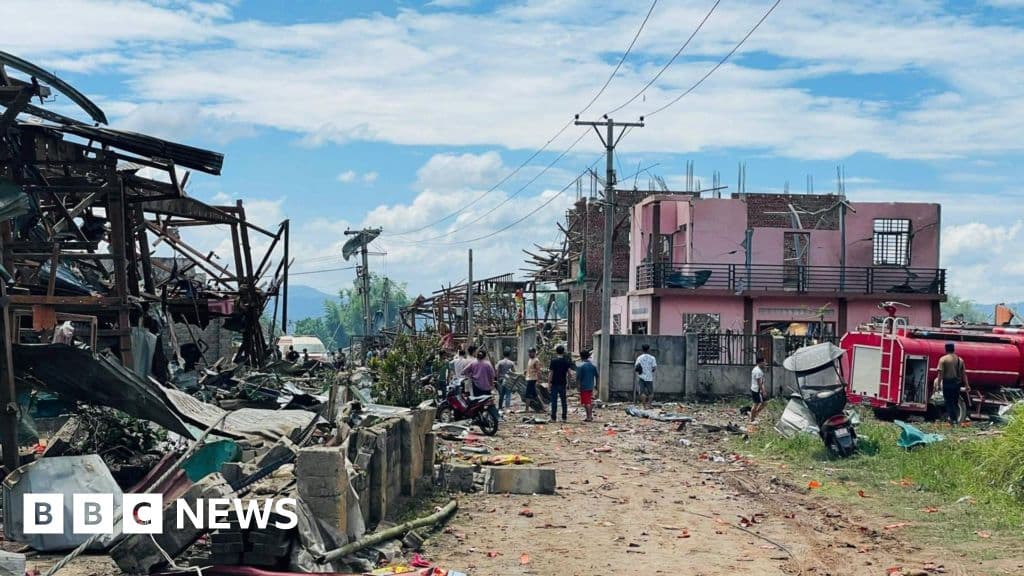
A devastating explosion in Myanmar's Kaung Tat village has killed at least 55 people, raising serious safety concerns and questions about civilian protection in conflict zones.
BBC World