
Image: BBC Technology
Discover how Ukraine's battlefield innovations are reshaping warfare with robotics, raising vital ethical questions for the future. Click to learn more!
GlipzoIn a groundbreaking revelation, Ukrainian-British military start-up UFORCE claims that the future of warfare may soon see robots outnumbering human soldiers on the battlefield. This assertion was highlighted during a recent visit by the BBC to UFORCE’s covert London headquarters, designed to protect the company from potential threats, including sabotage by Russian forces.
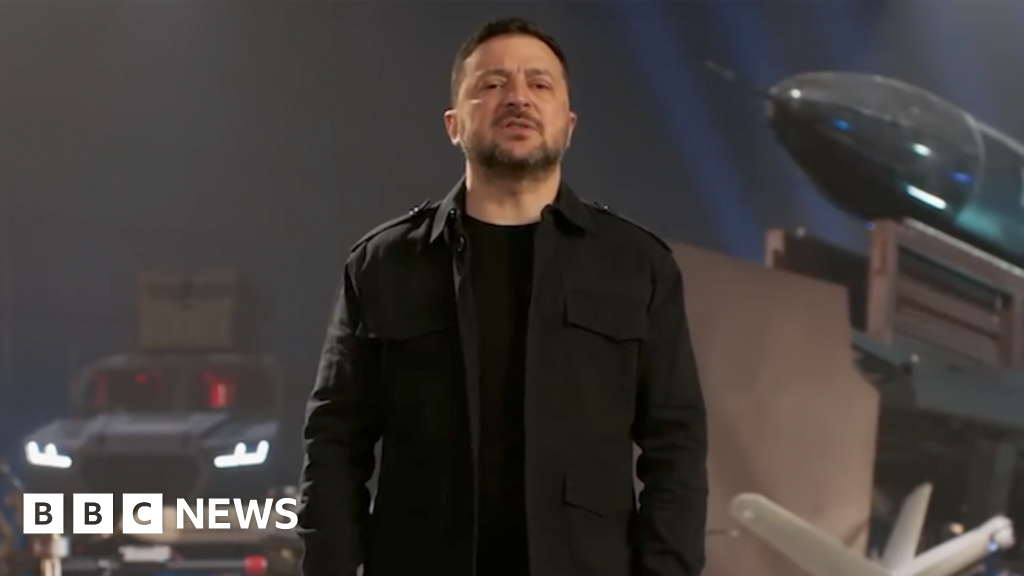
In a video released last month, Ukrainian President Volodymyr Zelensky detailed what he described as an unprecedented military operation, where Ukrainian forces seized enemy territory using exclusively robotic systems and drones. This marks a significant evolution in military tactics, as both the Ukrainian and Russian sides have extensively utilized unmanned aerial and ground systems throughout the ongoing conflict. According to analysts, this war has accelerated military technological advancements at an unprecedented rate, igniting discussions about the future implications of robotics in warfare.
Zelensky has emphasized the historic nature of these robotic operations, yet specifics remain shrouded in secrecy as the Ukrainian military has opted not to disclose further details. Likewise, a representative from UFORCE refrained from commenting on the operation, but confirmed that their air, land, and sea drones are actively deployed in combat scenarios. Rhiannon Padley, the director of strategic partnerships at UFORCE, stated, "I can't go into specifics about the operation or how UFORCE was involved, but we've conducted over 150,000 successful combat missions since the beginning of the full-scale Russian invasion in 2022."
UFORCE’s rapid growth within the defense sector has led it to achieve unicorn status, with a valuation exceeding $1 billion (£730 million). The company’s advancements suggest a future where robotic systems may soon outnumber human personnel in combat. As Russia also introduces robots capable of delivering explosives, experts believe that these technological strides will significantly alter the landscape of warfare as we know it.
Melanie Sisson, a senior fellow at the Brookings Institution, remarked, "Ukraine presents a vital case study in how necessity drives innovation in defense and armaments." UFORCE is part of a burgeoning group of so-called Neo-Prime defense companies, which are challenging established giants like BAE Systems, Boeing, and Lockheed Martin. Notably, Anduril, a U.S. defense tech firm, conducted its first test flight of an unmanned fighter jet earlier this year, showcasing the shift towards pilotless operations.
While many drones remain under human control, the integration of artificial intelligence (AI) into military systems is on the rise. UFORCE's land-based drones utilize advanced software for targeting assistance, while Anduril claims some of its systems can autonomously conduct the final phases of an attack. The U.S. government has vigorously encouraged its military to embrace AI technologies, with Defense Secretary Pete Hegseth asserting the need for the U.S. to become an "AI-first warfighting force."
As China continues to enhance its use of AI-driven military systems, a future wherein robots engage in combat with one another appears increasingly plausible. Jacob Parakilas, a researcher at RAND Europe, stated, "Ukrainian and Russian drones are already in conflict; it seems inevitable that this will extend to land and maritime warfare."
However, the rise of autonomous weaponry raises significant ethical concerns. Human rights advocates warn that increasing autonomy in weapons systems could lead to accountability issues. Patrick Wilcken from Amnesty International cautioned, "While militaries adopt AI to expedite processes like target identification, handing over life-and-death decisions to machines introduces profound ethical and human rights risks."
The rapid evolution of military technology in Ukraine is a stark reminder of how conflict can accelerate innovation. With robotic systems taking a central role in warfare, the landscape is shifting towards an era where machines may not only assist humans but could lead operations autonomously.
As we look to the future, several key questions arise: - How will international laws adapt to the increasing use of autonomous weapons? - What ethical frameworks will be established to govern their use? - How will nations balance the need for technological advancement with the risks posed by machines making life-and-death decisions?
The implications of these developments are profound, not just for military strategy but for the ethical treatment of warfare itself. As these technologies continue to evolve, ongoing dialogue and regulatory frameworks will be essential to navigate the complexities of this new battlefield landscape. The world is watching as Ukraine leads the way in robotic warfare, and the lessons learned here may very well shape international defense policies for years to come.

Survivors of the Laos cave rescue are aiding efforts to find the last two missing men trapped inside, sharing crucial insights for the search operation.
BBC World
A year after the tragic Air India crash, the Ali family reflects on grief, unanswered questions, and the enduring bonds of love in the face of loss.
BBC Business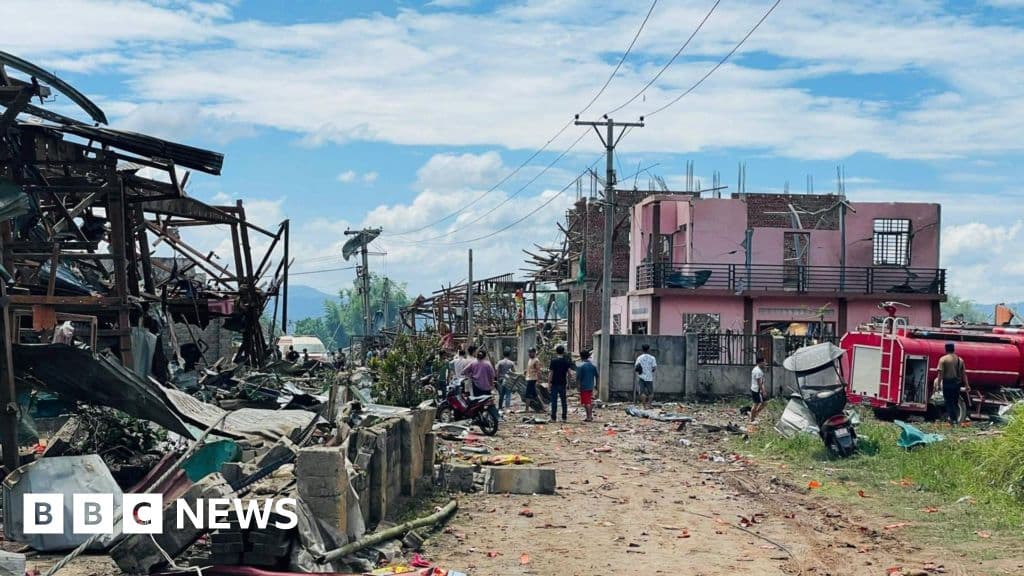
A devastating explosion in Myanmar's Kaung Tat village has killed at least 55 people, raising serious safety concerns and questions about civilian protection in conflict zones.
BBC World