

Image: BBC Business
UK inflation drops to 2.8%, but experts warn it could rise to 4% by year-end amid ongoing global pressures. What does this mean for households?
GlipzoHowever, despite this seemingly positive development, experts warn that inflation is set to trend upwards again. Analysts predict that by the end of 2023, inflation could rebound to approximately 4%, heavily influenced by the ongoing conflict in Iran, which continues to exert pressure on global price levels.
Key insights include: - The average petrol price surged to 156.8p per litre last month, while diesel reached an average of 190p per litre, reflecting a significant increase of over 30p in just April. - Recent data from the RAC indicates that petrol prices have climbed even higher, hitting 158.52p per litre this May.
Yael Selfin, Chief Economist at KPMG, expressed caution, noting that the 2.8% inflation rate may represent the lowest point for the foreseeable future. "We anticipate that inflation will trend higher through much of 2026, heading towards 4% by the end of the year," Selfin stated, underscoring the volatile economic landscape.
"Decisions taken in the Budget last year have kept inflation down as we deal with global instability," Reeves noted, indicating a proactive approach to managing economic challenges. She is set to reveal further initiatives in the coming days to bolster support for families facing rising energy costs.
Investment strategist Lindsay James from Quilter acknowledged the 7% reduction in the energy price cap as a temporary relief but warned that consumers should brace themselves for potential price surges ahead. "The large increase in fuel prices underscores the potential threats that still lurk for consumers and businesses," James explained, pointing to a broader context of economic uncertainty.
The Bank of England is tasked with maintaining inflation at the target rate of 2%. To achieve this, it has the authority to adjust interest rates, which can influence how households and businesses manage their finances. Typically, when inflation exceeds targets, the bank raises rates to cool spending and borrowing.
As the situation evolves, it will be essential to monitor further developments in energy costs, government support measures, and broader economic indicators that could influence inflation trends in the UK. The coming months will provide critical insights into how these factors will play out in the daily lives of UK households.
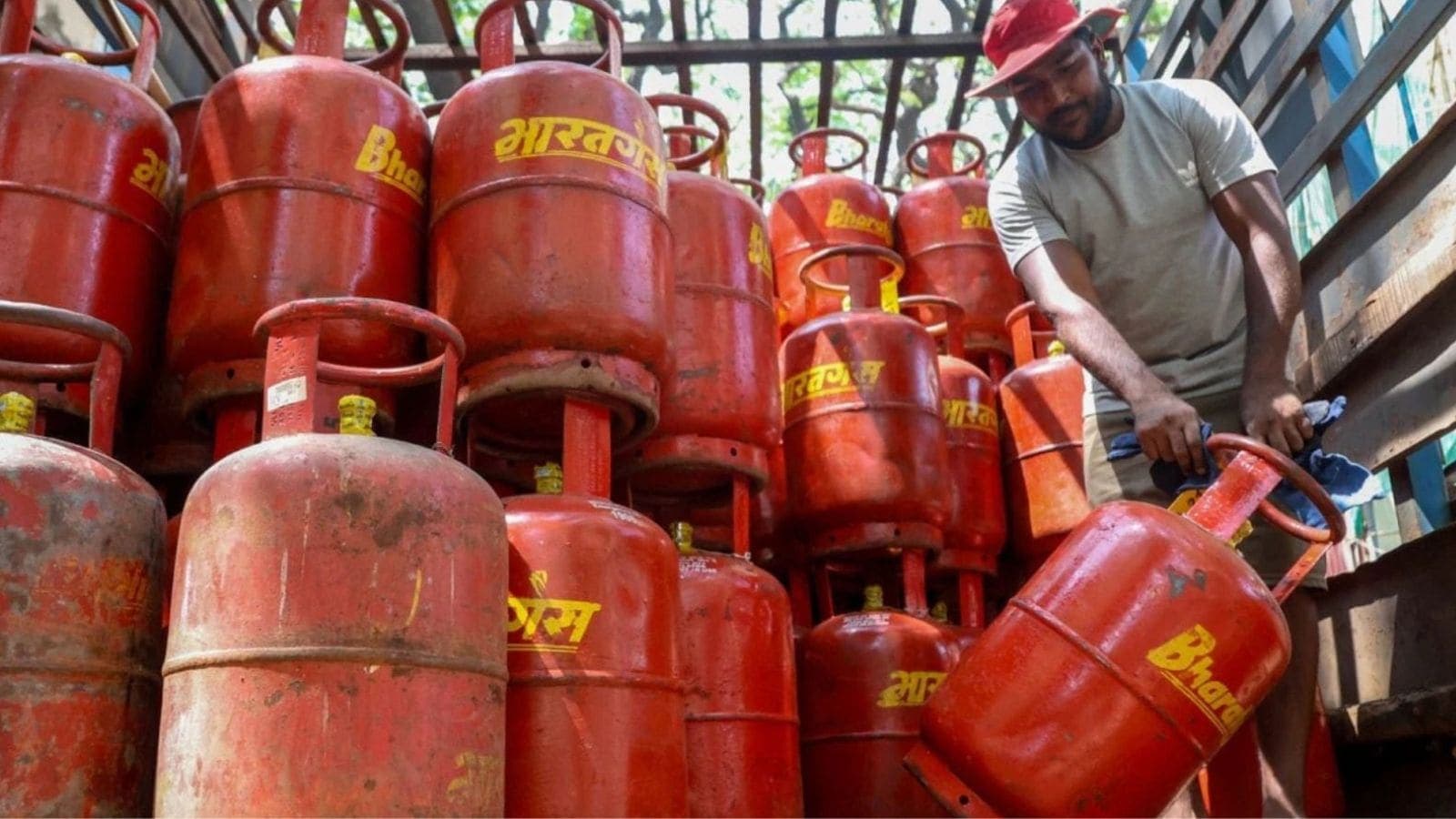
Commercial LPG prices have risen again, with increases of ₹42 in Delhi and ₹53.50 in Kolkata impacting businesses and consumers alike. Find out more.
Indian Express
Discover how a tragic coal mine explosion in Shanxi, China, reveals ongoing safety concerns in the industry amidst a push for green energy.
BBC Business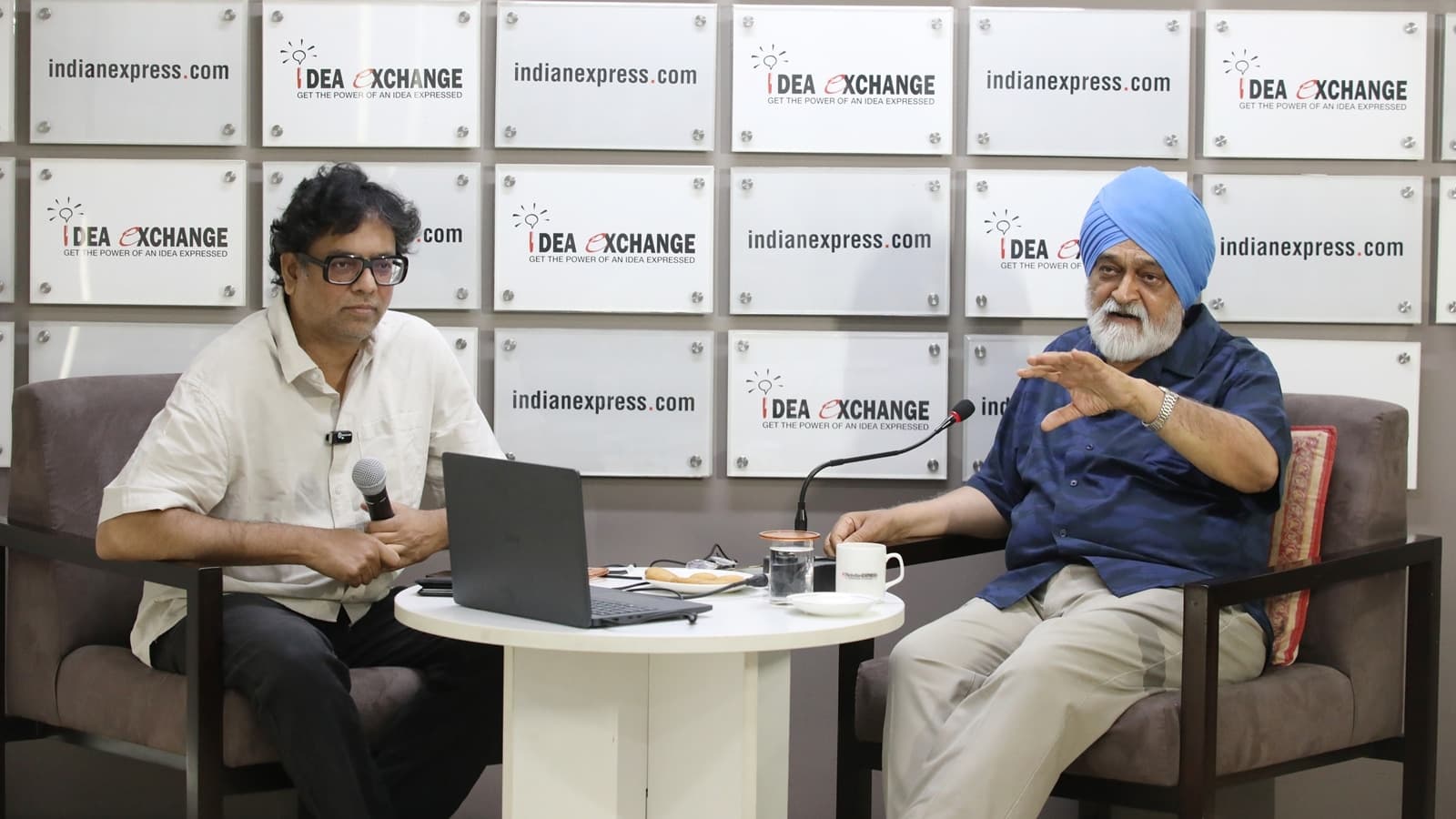
Montek Singh Ahluwalia highlights key economic challenges for India, emphasizing the need for a strategic approach to balance payments and investment.
Indian Express