
Image: BBC World
Kenneth Law pleads guilty to aiding suicides by selling toxic chemicals online. Families demand justice for victims linked to his products. Learn more.
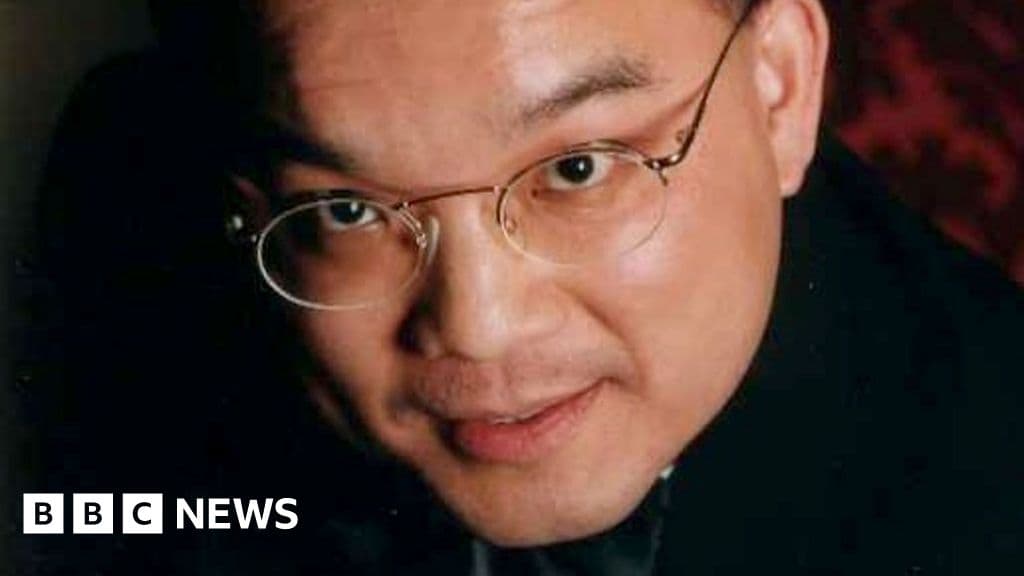
GlipzoIn a disturbing case that has garnered international attention, Kenneth Law, a 60-year-old former chef, has pleaded guilty to 14 counts of aiding suicides in Ontario, Canada. This plea was made during a court appearance on October 6, 2023, and was part of a plea agreement with prosecutors who subsequently dropped more serious murder charges. Law's actions involved selling toxic chemicals online, targeting individuals he connected with through online suicide forums.
Authorities revealed that Law shipped approximately 1,200 packages of these hazardous substances to recipients in 40 countries. Notably, around 25% of these shipments were sent to the United Kingdom, raising significant concerns and anger among families of British victims who believe their loved ones' deaths are linked to Law's products.
The charges against Law specifically pertained to Canadian victims, yet the families of the 79 Britons who have died after allegedly using his products expressed their frustration that UK prosecutors did not pursue charges against him. The Crown Prosecution Service (CPS) in the UK has stated that it agreed to Law's plea deal based on the understanding that his sentencing in Canada would take the British deaths into consideration.
A letter from the CPS indicated that pursuing charges in the UK could face significant delays and legal complications, particularly concerning extradition and double jeopardy principles. Andrew Hudson, a specialized prosecutor with the CPS, emphasized that including UK victims in the Canadian sentencing process was the most expedient method to achieve justice for the families.
One of the tragic stories that emerged from this case is that of Ashtyn Prosser-Blake, a 19-year-old who tragically took his own life in March 2023. His mother, Kim Prosser, described him as a “super happy, really gentle soul,” who struggled with his mental health after the COVID-19 pandemic. Ashtyn's journey underscores the broader implications of this case, as families grapple with the aftermath of such devastating losses.
In the UK, David Parfett shared the heart-wrenching story of his 22-year-old son, Thomas, who died after using a substance sold by Law. Parfett lamented the loss of his son, recalling how Thomas brought joy and humor to life. He emphasized his desire to see Law held accountable in the UK, expressing frustration over the decision to allow the Canadian legal system to manage Law’s fate.
The consequences of Law's actions extend far beyond the immediate victims; they raise significant questions about the role of authorities in regulating toxic substances sold online. Parfett is calling for a public inquiry into the deaths associated with Law's products, urging the government to take proactive measures to prevent similar tragedies in the future. He remarked on the astonishing toll of these deaths, which includes children, and criticized the lack of a coordinated effort to address this pressing issue.
In response to the growing concerns, the Home Office in the UK expressed condolences to the families affected by these tragedies, stating they are actively collaborating with law enforcement to intercept harmful substances entering the country. As investigations continue, the focus remains on preventing further loss of life due to preventable suicides linked to online toxic chemical sales.
Kenneth Law was apprehended in May 2023, following an extensive investigation involving over 11 law enforcement agencies from various countries, including the UK, Italy, and the US. His arrest gained attention after a Times investigation uncovered his activities; a journalist posed as a customer and spoke directly to Law, who purportedly advised on how to use the products to ensure death.
Canadian authorities have been vocal about their commitment to addressing the issue, with police highlighting the need for rigorous measures to combat the online sale of dangerous chemicals. The broader implications of this case also highlight the evolving challenges of regulating internet commerce, particularly in areas where mental health crises intersect with the availability of harmful substances.
As Kenneth Law awaits sentencing and the implications of his guilty plea unfold, the families of victims will continue to seek justice and accountability. The situation has sparked a call for urgent reforms in how the UK and other countries regulate the sale of toxic substances online.
Moving forward, key areas to monitor include: - Sentencing outcomes for Kenneth Law and how they might influence future legal precedents. - Potential public inquiries into the systemic issues surrounding online substance sales and mental health. - The response from governments and law enforcement agencies regarding regulations to prevent similar tragedies.
The case serves as a sobering reminder of the intersection between mental health, online commerce, and the urgent need for coordinated action to protect vulnerable individuals from harmful influences.
The tragic stories of Ashtyn, Thomas, and others highlight that behind statistics are real lives lost, pushing society to confront the realities of mental health support and the dangers posed by unregulated online sales of toxic substances.
In conclusion, the implications of Kenneth Law's actions and the ongoing discourse surrounding them will likely shape legal frameworks and mental health policies in the years to come, emphasizing a critical need for awareness and action in safeguarding public health and safety.
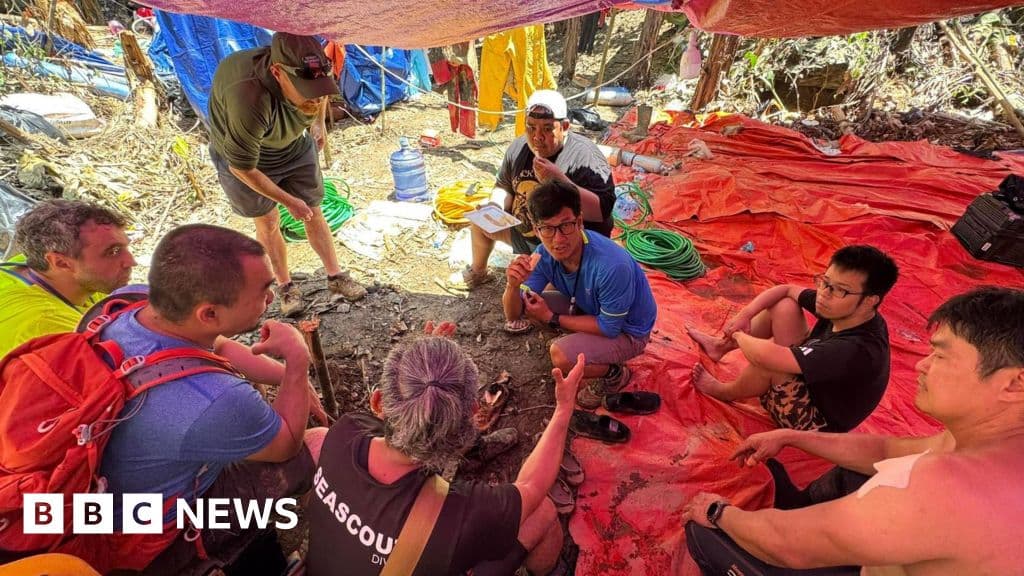
Survivors of the Laos cave rescue are aiding efforts to find the last two missing men trapped inside, sharing crucial insights for the search operation.
BBC World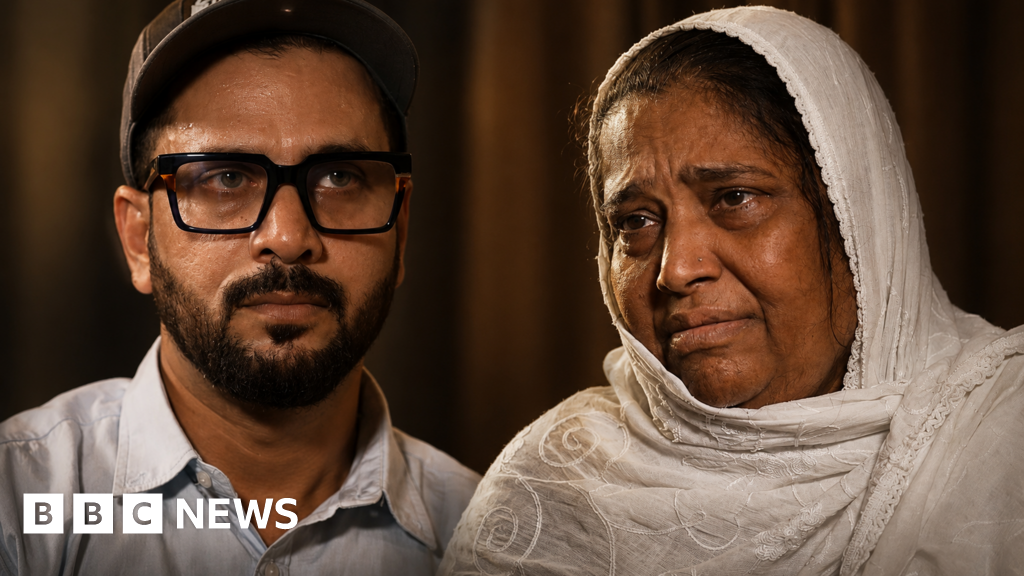
A year after the tragic Air India crash, the Ali family reflects on grief, unanswered questions, and the enduring bonds of love in the face of loss.
BBC Business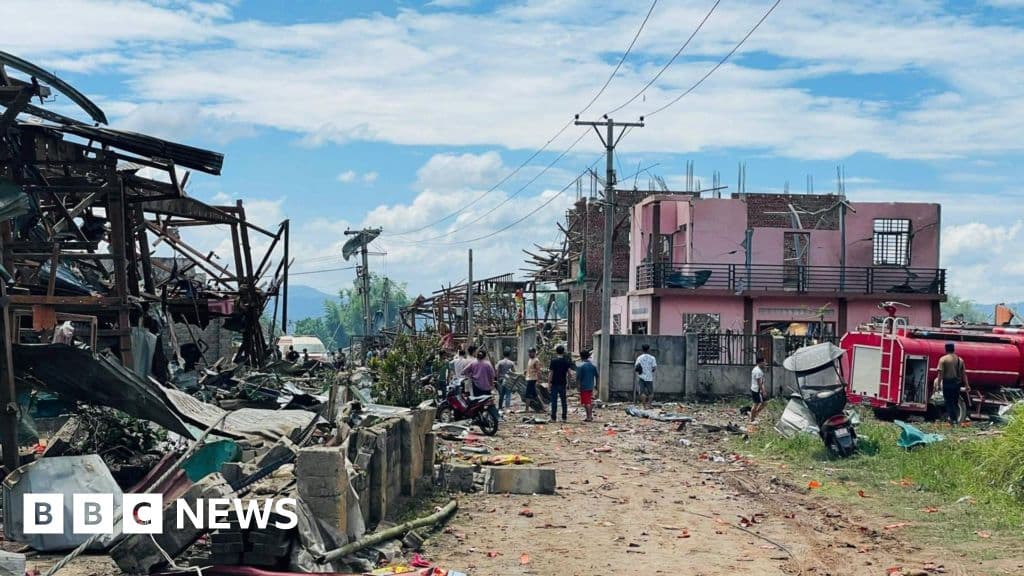
A devastating explosion in Myanmar's Kaung Tat village has killed at least 55 people, raising serious safety concerns and questions about civilian protection in conflict zones.
BBC World