
Image: BBC World
Severe flooding in Kenya has resulted in 66 fatalities, with ongoing rains threatening further devastation. Authorities urge evacuations and improve infrastructure.
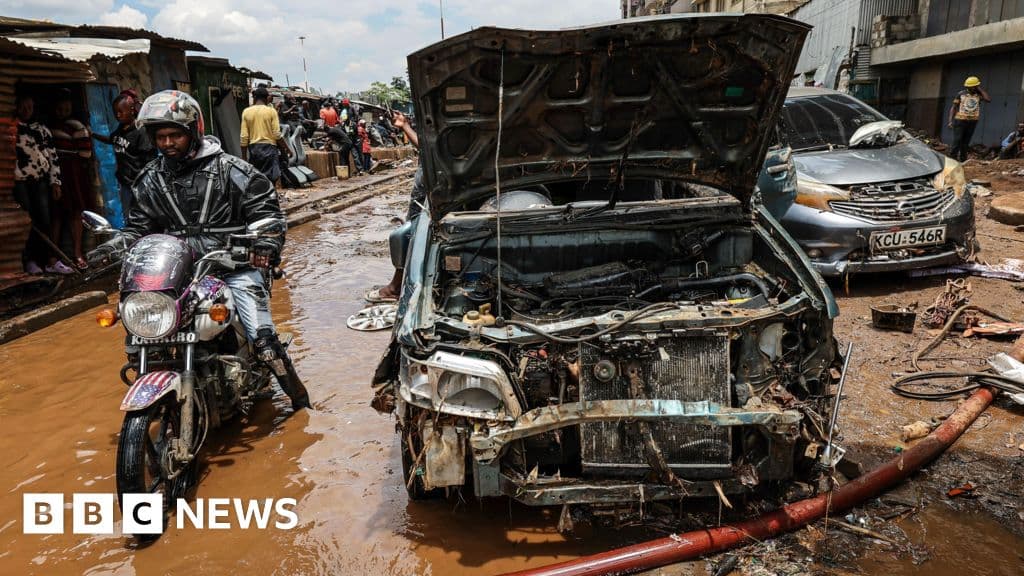
GlipzoHeavy rainfall in Kenya has led to a tragic increase in fatalities, with 66 people confirmed dead over the past week due to severe flooding. The relentless downpour, particularly affecting the capital city of Nairobi, has caused widespread devastation, prompting urgent rescue operations and government warnings.
On Sunday, authorities reported that an additional four individuals lost their lives to the flooding, adding to the already overwhelming toll. Despite the continued rainfall, no new deaths were recorded overnight in Nairobi, although the situation remains dire with the threat of further flooding.
In a heartening turn of events, the Kenya Red Cross successfully rescued 11 individuals from a minibus taxi, locally known as a matatu, which became stranded in the rising waters of Nairobi. Additionally, two children were saved from a flooded house, showcasing the critical efforts of emergency responders amid the chaos.
The heavy rains have led to flash floods, causing rivers to overflow and inundate homes while damaging essential infrastructure, including roads, power lines, and water supplies. Notably, several roads have been shut down due to bridge collapses, and schools in various areas have faced severe flooding following the torrential downpour.
The Interior Ministry issued a warning on Sunday about ongoing heavy rains affecting multiple regions of the country, raising concerns of additional flooding. As a precaution, authorities have urged residents residing in low-lying areas to evacuate to safer locations. To date, over 2,000 individuals have been displaced from their homes, seeking refuge from the relentless weather.
Search-and-rescue operations are ongoing as police assess the damage and continue to look for individuals affected by the floods. The Nairobi region bears the brunt of the disaster, with 33 fatalities reported, largely attributed to poor drainage systems exacerbated by unregulated urban development obstructing natural waterways.
Residents have shared harrowing accounts of the flooding crisis. Businessman Kareem Hassan Ali, living in the Parklands area, described the scene as his neighborhood was engulfed in approximately two meters (6.5 feet) of water on Saturday night. Although his apartment remained dry, he reported that vehicles in the underground parking were completely submerged.
Another resident, auditor Deenesh Patel, took precautions by staying with friends after witnessing the severe conditions. He criticized local officials, stating, “The rain was heavy, but this happens each year. Other low-lying areas were not affected because they have the proper infrastructure.”
In response to the disaster, President William Ruto announced that authorities are working to clear blocked drainage systems. However, residents like Ali expressed frustration, noting a lack of visible action from officials, and mentioned that their local residents' association had to step in to clear debris themselves.
Additionally, Ruto promised that emergency food supplies and medical assistance would be distributed to those affected by the flooding crisis, underscoring the government's commitment to addressing the immediate needs of the population.
The flooding in Kenya is part of a broader pattern of extreme weather affecting the region. Across the border, Ethiopia has also been severely impacted, with more than 100 fatalities reported due to floods and landslides in the southern regions of the country. These tragedies highlight the escalating consequences of climate change, which is increasingly linked to more intense rainfall and severe weather events.
The growing frequency of such disasters is attributed to climate change, which has raised global temperatures by approximately 1.1°C since the onset of the industrial era. Experts warn that unless significant reductions in greenhouse gas emissions are achieved, these extreme weather patterns will continue to worsen, posing a persistent threat to vulnerable populations in regions like East Africa.
As Kenya grapples with the immediate fallout from this crisis, the focus will undoubtedly shift towards long-term solutions to mitigate future flooding risks. Strengthening infrastructure and improving drainage systems will be critical in safeguarding communities against similar disasters.
Authorities will need to balance urban development with environmental sustainability to prevent the obstruction of natural waterways, which has been a significant factor in the current crisis. Additionally, it will be essential for local governments to prioritize community awareness campaigns about climate resilience and emergency preparedness.
The situation remains fluid as rains continue, and for those affected, the coming days may bring additional challenges. Observers will be closely monitoring the government's response and its effectiveness in addressing both immediate needs and long-term infrastructure improvements.
In conclusion, the ongoing flooding crisis in Kenya is a stark reminder of the vulnerabilities faced by many communities in the face of climate change, and it calls for urgent and decisive action from both local and global leaders to protect lives and livelihoods in the future.
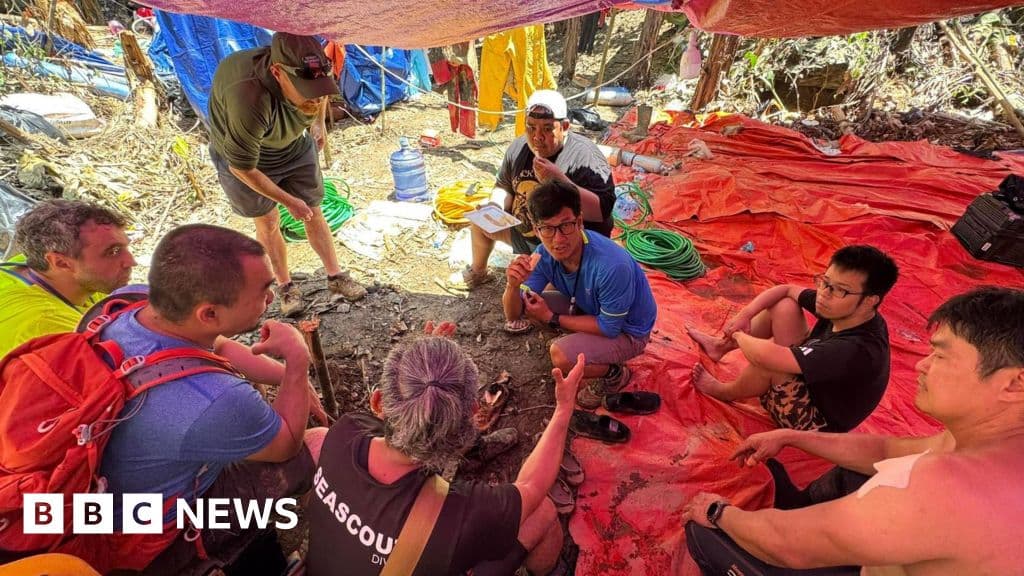
Survivors of the Laos cave rescue are aiding efforts to find the last two missing men trapped inside, sharing crucial insights for the search operation.
BBC World
A year after the tragic Air India crash, the Ali family reflects on grief, unanswered questions, and the enduring bonds of love in the face of loss.
BBC Business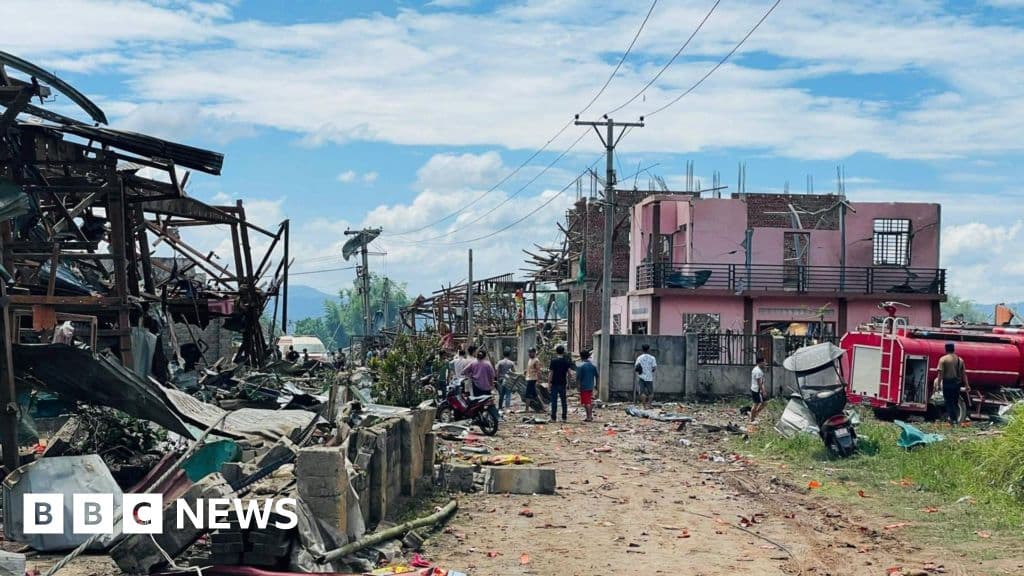
A devastating explosion in Myanmar's Kaung Tat village has killed at least 55 people, raising serious safety concerns and questions about civilian protection in conflict zones.
BBC World