
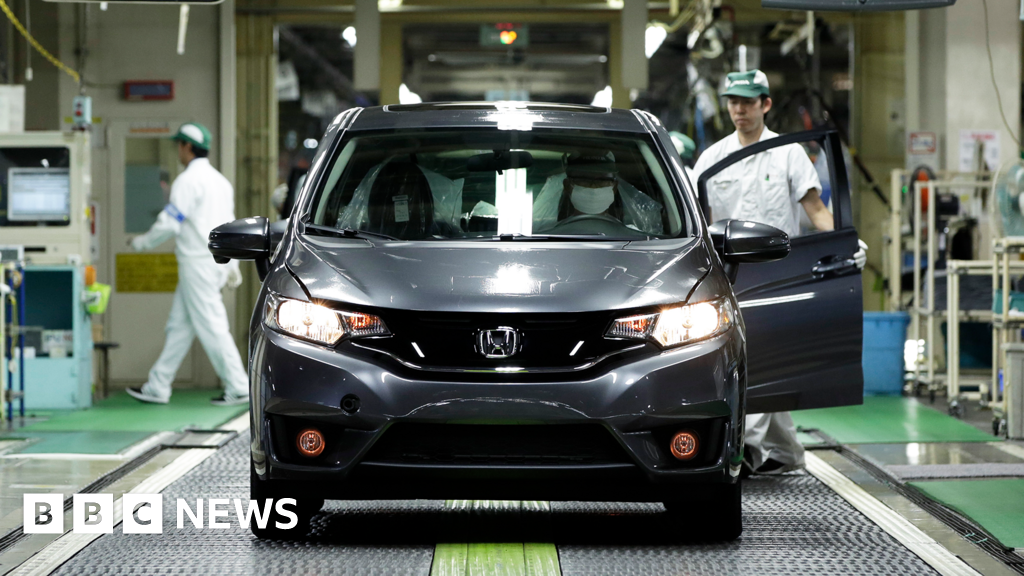
Image: BBC Business
Honda reports a shocking first annual loss in 70 years, revealing struggles in the EV market and strategic shifts for future growth. Click to learn more!
GlipzoIn a striking turn of events, Honda, the renowned Japanese automotive giant, has reported its first annual loss in 70 years. The company, which had long been a stalwart in the automotive industry, attributed its ¥423 billion ($2.68 billion; £1.99 billion) operating loss for the fiscal year ending March 2026 primarily to its struggles in the electric vehicle (EV) sector. Despite ambitious plans to capitalize on the growing EV market, demand has not met expectations, leading to significant financial repercussions.
Honda’s decision to pivot towards electric vehicles was a strategic move aimed at staying competitive in a rapidly evolving industry. However, the anticipated surge in consumer interest has not materialized. This has forced the company to reassess its production strategies, leading to the scrapping of several EV production targets. To mitigate financial losses, Honda plans to source parts from China, where costs are comparatively lower.
A significant factor contributing to Honda's financial woes has been the shifting landscape of U.S. policies regarding electric vehicles. The previous tax incentives, which allowed U.S. consumers to receive up to $7,500 (£5,500) in credits for purchasing new EVs, were eliminated under the administration of Donald Trump in September 2025. This reduction in consumer incentives has dampened demand for EVs, directly impacting Honda and other automakers.
In addition to the scrapping of tax credits, the imposition of tariffs on imported vehicles and auto parts further strained profits. While these tariffs were reduced from 25% to 15%, the financial damage had already been inflicted, leaving Honda to grapple with rising costs and diminished sales.
Founded in 1957, Honda has evolved into Japan's second-largest car manufacturer, known for its innovative engineering and design. However, analysts point out that Honda's long-standing legacy poses challenges in adapting swiftly to the volatile EV market. The company's size and established operational frameworks have made it difficult to pivot quickly in response to fluctuating consumer demands.
In light of this setback, Honda has announced a shift in focus. The company plans to prioritize its motorcycle business, enhance its financial services, and concentrate on hybrid vehicle production. Additionally, Honda has identified North America, Japan, and India as key markets for future growth, although it has suspended its plans to develop EVs and batteries in Canada, further signaling its cautious approach moving forward.
Chief Executive Toshihiro Mibe has outlined a radical change in Honda's long-term strategy. The company is abandoning its previous goal of having EVs comprise 20% of new car sales by 2030 and has also scrapped plans to transition to a fully electric vehicle lineup by 2040. This drastic pivot reflects a recognition of the current market realities and the need for a more sustainable and adaptable business model.
Looking ahead, Honda anticipates ¥512 billion in EV-related losses for the next financial year ending March 2027. This projection illustrates the ongoing challenges the company faces as it recalibrates its strategies in response to market dynamics.
Industry experts have weighed in on Honda's situation. Danni Hewson, head of financial analysis at AJ Bell, remarked, "It's a bleak milestone for Honda but not a surprising one. Like many legacy automakers, it gambled on motorists making a quick move to EVs - and lost as the world shifted."
Hewson highlighted that Honda's struggles are reflective of broader trends within the automotive sector, where political changes, economic factors, and intensified competition from Chinese manufacturers have forced many companies to rethink their EV strategies. "Even though demand for EVs has recently increased due to rising petrol costs, adapting to these rapid changes is especially challenging for larger enterprises like Honda," she added.
Honda's first annual loss in seven decades is not just a financial headline; it signifies a pivotal moment in the automotive industry. As manufacturers grapple with the transition to electric mobility, the challenges faced by Honda underscore the complexities of market adaptation. The interplay of government policy, consumer behavior, and competitive pressures is shaping the future of automotive manufacturing, making it essential for companies to remain agile in an unpredictable market.
As Honda navigates this tumultuous period, all eyes will be on its ability to pivot and realign its strategies effectively. The company’s focus on motorcycles and hybrid vehicles may provide a buffer against the challenges posed by the EV market. Moving forward, stakeholders will be keen to see how Honda leverages its legacy while embracing innovation to remain competitive in a rapidly changing landscape. With ongoing uncertainties in the global economy and regulatory environment, the road ahead for Honda will require both resilience and strategic foresight.

Commercial LPG prices have risen again, with increases of ₹42 in Delhi and ₹53.50 in Kolkata impacting businesses and consumers alike. Find out more.
Indian Express
Discover how a tragic coal mine explosion in Shanxi, China, reveals ongoing safety concerns in the industry amidst a push for green energy.
BBC Business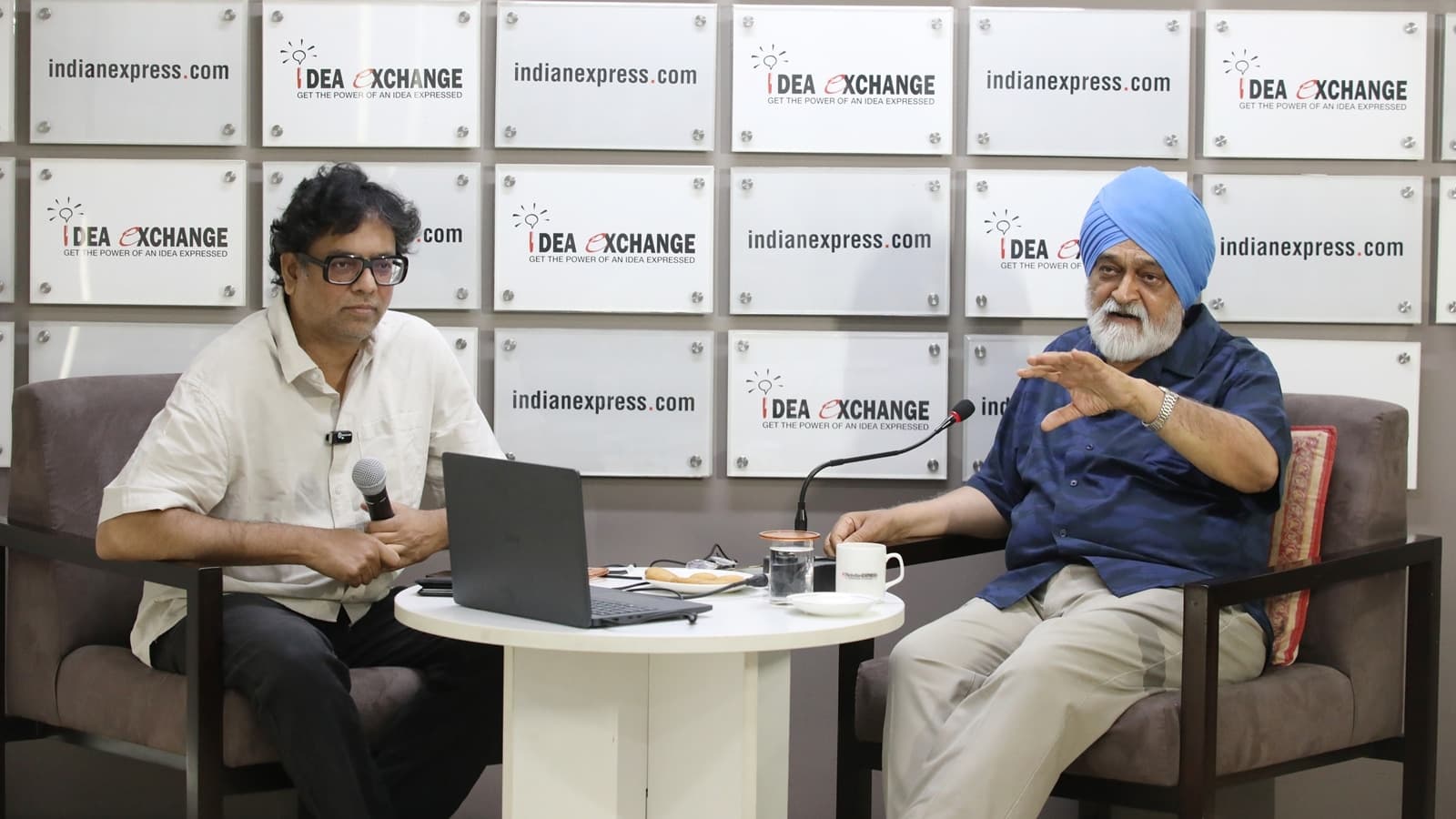
Montek Singh Ahluwalia highlights key economic challenges for India, emphasizing the need for a strategic approach to balance payments and investment.
Indian Express