
Image: BBC World
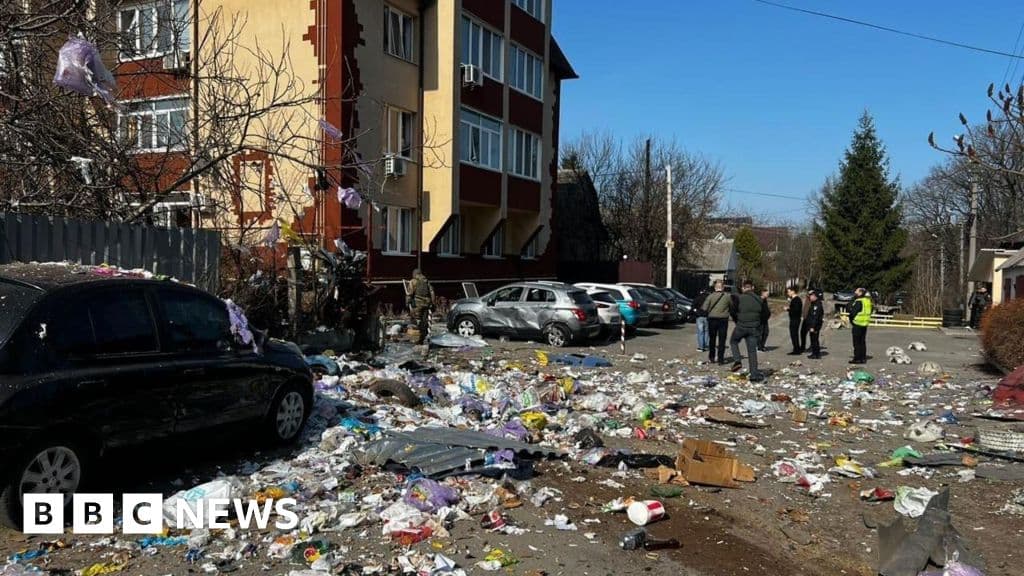
A shocking explosion in Bucha, Ukraine, injures two police officers in what authorities are calling a terrorist attack, raising serious security concerns.
GlipzoIn a disturbing incident early on Monday morning, an explosion in Bucha, a town near the Ukrainian capital of Kyiv, has been labeled a terrorist attack by local authorities. This attack left two police officers injured as they responded to the scene of the initial blast.
The explosion occurred on a quiet residential street, creating panic among local residents. Shortly after the police arrived, a second explosion was triggered, resulting in injuries to the officers. According to reports, the injuries sustained by the officers are not life-threatening, but the attack raises serious concerns about safety in the region.
Authorities have arrested a 21-year-old local man suspected of being behind the explosions. Reports indicate that he was allegedly recruited online to carry out these attacks, although specific details about the recruitment platform have not been disclosed. A source within the security services mentioned that the suspect was approached through the popular online game World of Tanks.
The head of the Kyiv Region Criminal Investigations Directorate, Andriy Kravchuk, revealed that the suspect claimed he was enticed with a promise of 25,000 hryvnyas (approximately £450 or $570) for each explosion. In a chilling twist, the suspect also alleged that he was blackmailed into carrying out the attacks, with threats made against his mother's safety.
The Ukrainian security service (SBU) has identified the suspect as a potential Russian agent, although police have not confirmed any direct links to Russia. This has sparked speculation about the broader implications of the attack, suggesting a possible connection to ongoing tensions in the region. The police are actively investigating who orchestrated the recruitment of the suspect.
In a video released by the police, the suspect can be seen being questioned about the circumstances of his involvement. He maintains that he was coerced into planting explosives after being threatened with harm to his family. This raises critical questions about the tactics used by those orchestrating such attacks and the vulnerability of individuals to manipulation through online platforms.
Local residents expressed shock and fear following the explosions. Viktoria Ivasyshyna, a 21-year-old eyewitness, described the moment she heard the blast: "I immediately realised that this was not civilian or an industrial accident." Another resident recounted thinking it was a gas explosion before realizing the severity of the situation.
The local town council reported that the shock wave from the initial explosion was felt throughout the area, prompting a rapid response from emergency services. Eyewitnesses noted the swift arrival of police and paramedics, indicating a high level of concern for public safety.
This attack in Bucha is part of a troubling trend of similar incidents across Ukraine in recent months. For instance, on February 22, a police officer was killed, and over 20 individuals were injured in a bombing in Lviv after authorities responded to a report of an earlier explosion. Police investigations revealed the explosives were allegedly planted by a local woman who had been compensated by Russian intelligence services.
On February 23, another bombing targeted police in Mykolayiv, injuring seven, while an additional explosion occurred outside a police station in Dnipro. These incidents signify a concerning escalation in violence, with authorities struggling to maintain security amidst ongoing tensions in the region.
The recent surge in violence, including this latest attack in Bucha, underscores the precarious situation in Ukraine. As the country continues to navigate its complex geopolitical landscape, the potential for further attacks looms large. The recruitment of individuals for terrorist activities through online platforms highlights a new frontier in cybersecurity and counter-terrorism efforts.
The involvement of international actors, such as Russian intelligence, complicates the narrative and raises alarms about the safety of civilians and law enforcement alike. The authorities in Ukraine must now grapple with the implications of online radicalization and the threats posed by external forces.
As investigations continue, the focus will remain on understanding the motivations behind these attacks and preventing future incidents. The authorities are expected to bolster their security measures and monitor online platforms for suspicious activities.
The situation in Ukraine remains fluid, and vigilance is critical as the country faces both internal and external challenges. Citizens and law enforcement alike must remain alert to potential threats, with the hope that proactive measures can avert further tragedies.
In the coming weeks, updates regarding the suspect's trial and the findings of ongoing investigations will be closely watched, as they may provide insights into the broader implications of such attacks on national security and public safety.
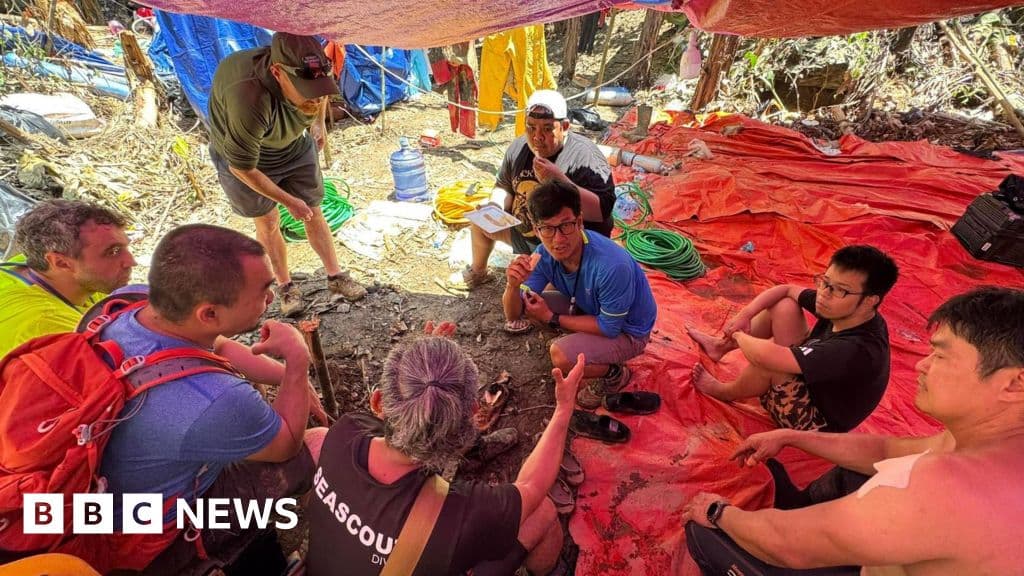
Survivors of the Laos cave rescue are aiding efforts to find the last two missing men trapped inside, sharing crucial insights for the search operation.
BBC World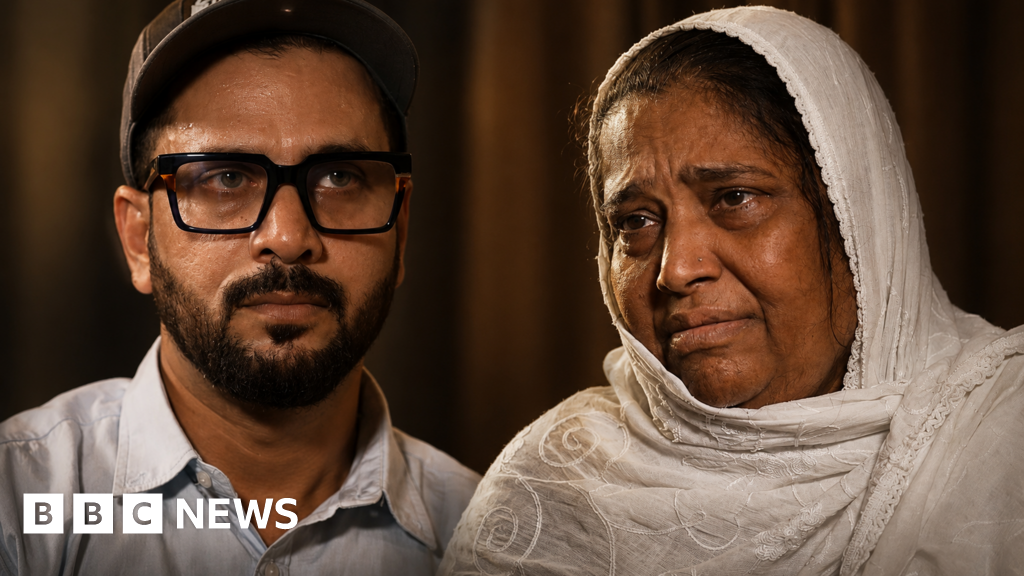
A year after the tragic Air India crash, the Ali family reflects on grief, unanswered questions, and the enduring bonds of love in the face of loss.
BBC Business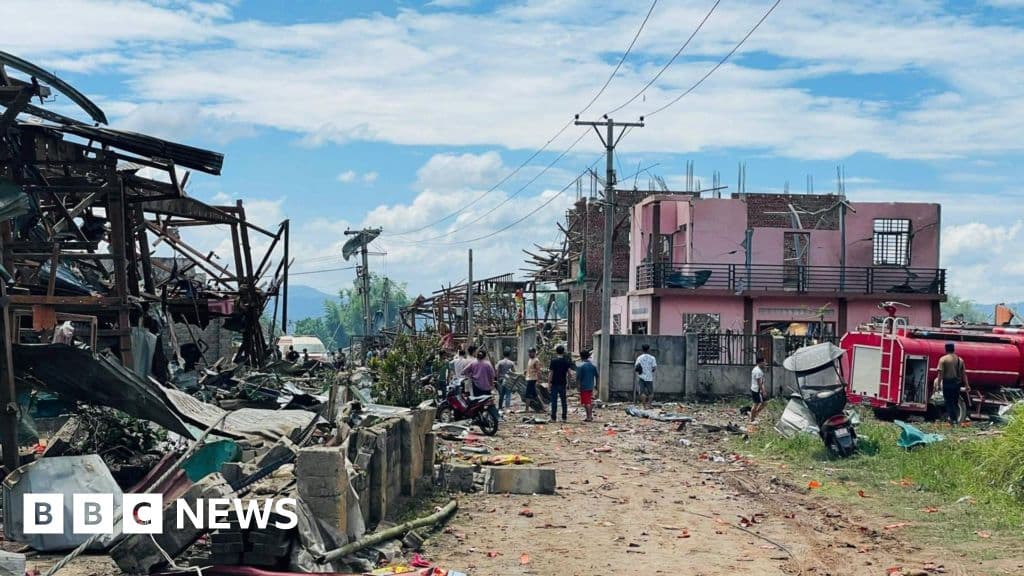
A devastating explosion in Myanmar's Kaung Tat village has killed at least 55 people, raising serious safety concerns and questions about civilian protection in conflict zones.
BBC World