

Image: The Hindu
A U.N. investigation reveals Israeli tank fire injured Ghanaian peacekeepers in Lebanon, raising serious concerns about U.N. safety amid escalating tensions.
GlipzoEarly reports from a U.N. investigation reveal that Israeli tank fire struck a U.N. base in southern Lebanon on March 6, 2026, injuring several Ghanaian peacekeepers. This alarming incident highlights the escalating dangers faced by U.N. personnel as Israeli military operations intensify in the region. According to a Western military source, the internal inquiry conducted by the United Nations Interim Force in Lebanon (UNIFIL) has uncovered significant evidence suggesting that the Israeli Defense Forces were responsible for the attack on the al-Qawzah base.
With tensions running high following a series of clashes between Israeli troops and Iran-backed Hezbollah fighters, the risks to peacekeeping forces have grown increasingly pronounced. The peacekeeping mission based in southern Lebanon, which is set to conclude at the end of 2026, has faced dangers over the past few years due to its proximity to ongoing hostilities. The clashes intensified when Hezbollah launched rockets into Israel, prompting a renewed Israeli offensive against the militant group.
The preliminary findings from UNIFIL’s investigation, led by Force Commander Reserve and supported by explosive ordnance disposal experts, indicate that three rounds fired from an Israeli battle tank directly impacted the U.N. facility. The munitions used were identified as 120-mm M339 HE-MP-T shells, which are manufactured by Israel Military Industries (IMI), underscoring the direct involvement of Israeli forces in this incident.
“The evidence points clearly to Israeli involvement in the attack against UNIFIL,” the source stated. While the U.N. had previously acknowledged that Ghanaian peacekeepers were injured amidst heavy firing, details regarding the responsible party were not disclosed until now. UNIFIL spokesperson Kandice Ardiel reiterated the importance of safeguarding peacekeepers and condemned any deliberate attacks as a significant violation of international humanitarian law and U.N. Resolution 1701.
The safety of U.N. personnel in southern Lebanon remains a critical concern, especially following this incident. UNIFIL reported that on the same day of the tank fire, another contingent of peacekeepers was likely targeted in three separate instances, believed to have been perpetrated by non-state armed groups. Fortunately, no injuries were reported during those incidents.
The implications of the Israeli tank fire extend beyond the immediate injuries to Ghanaian soldiers, as this escalation poses a severe challenge to UNIFIL's ongoing peacekeeping efforts. The Ghanaian army confirmed that three of its soldiers were wounded in the attack, drawing attention to the precarious situation U.N. forces face in a volatile region.
The conflict in southern Lebanon is not isolated but rather a part of a broader and more complex geopolitical struggle involving Israel and its adversaries. The Israeli military maintains five posts within Lebanese territory and has frequently conducted airstrikes targeting Hezbollah, citing the group’s alignment with Iranian interests. Despite a ceasefire agreement reached last year, tensions remain high, and the risk of confrontation continues to loom.
UN Security Council Resolution 1701 explicitly prohibits armed forces from operating in southern Lebanon, yet ongoing violations raise questions about the effectiveness of international peacekeeping efforts. The recent attack on a U.N. facility only underscores the urgent need for accountability and the protection of peacekeepers tasked with maintaining stability in the region.
The implications of this incident are far-reaching. The safety of peacekeepers is paramount in stabilizing the region, and any attack against them could severely undermine the credibility of U.N. missions globally. Failure to protect these forces may lead to a withdrawal of international support, further exacerbating the humanitarian crisis in Lebanon and surrounding areas.
As the situation evolves, the international community will be closely watching the outcomes of the ongoing investigations and the responses from Israel and Lebanon. The potential for increased military engagement remains a pressing concern, and how the U.N. navigates these challenges will be critical in determining the future of peacekeeping efforts in the Middle East.
Looking ahead, several key factors will shape the dynamics of this situation: - Completion of UNIFIL's Investigation: The final results of the inquiry into the March 6 incident will be crucial for understanding the accountability mechanisms at play. - Israeli Military Strategy: Any changes in Israel's military approach towards Hezbollah could either escalate or de-escalate tensions. - International Reactions: How the global community responds to this incident may influence future U.N. peacekeeping mandates and operations in conflict zones.
As developments unfold, stakeholders must prioritize the safety of U.N. peacekeepers and work towards a sustainable resolution to the ongoing conflict between Israel and Hezbollah. The world will be watching closely as the situation continues to develop.
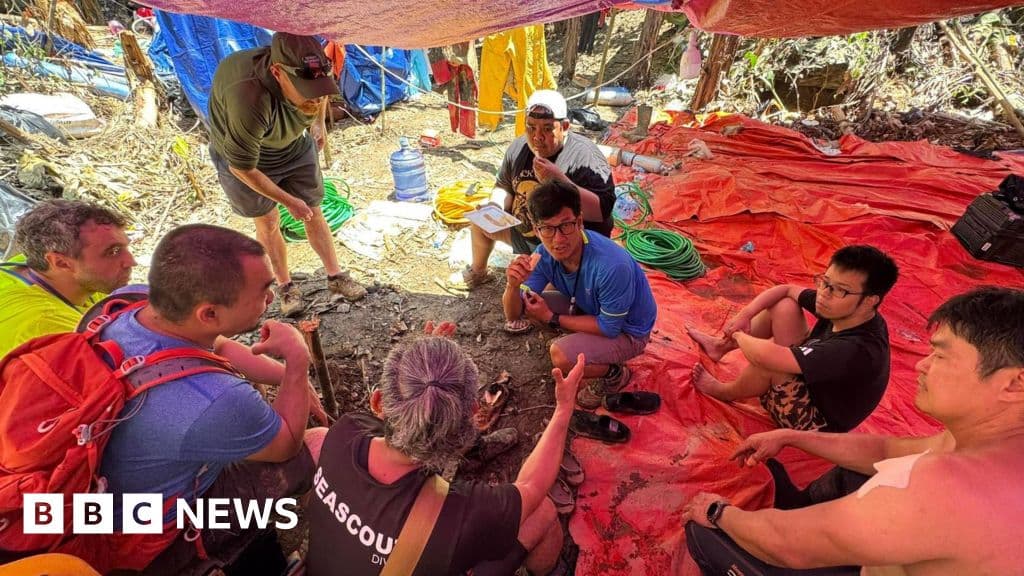
Survivors of the Laos cave rescue are aiding efforts to find the last two missing men trapped inside, sharing crucial insights for the search operation.
BBC World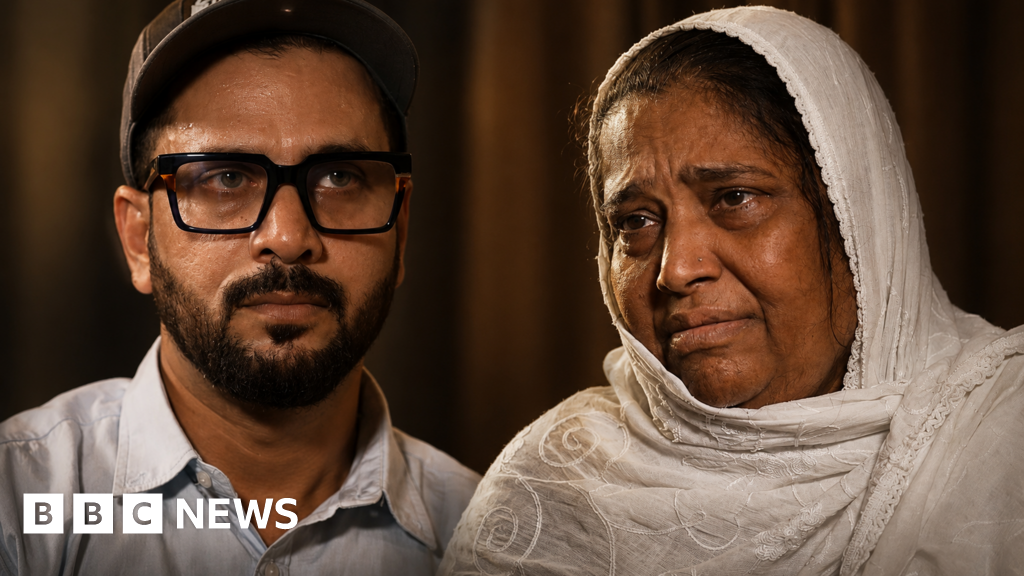
A year after the tragic Air India crash, the Ali family reflects on grief, unanswered questions, and the enduring bonds of love in the face of loss.
BBC Business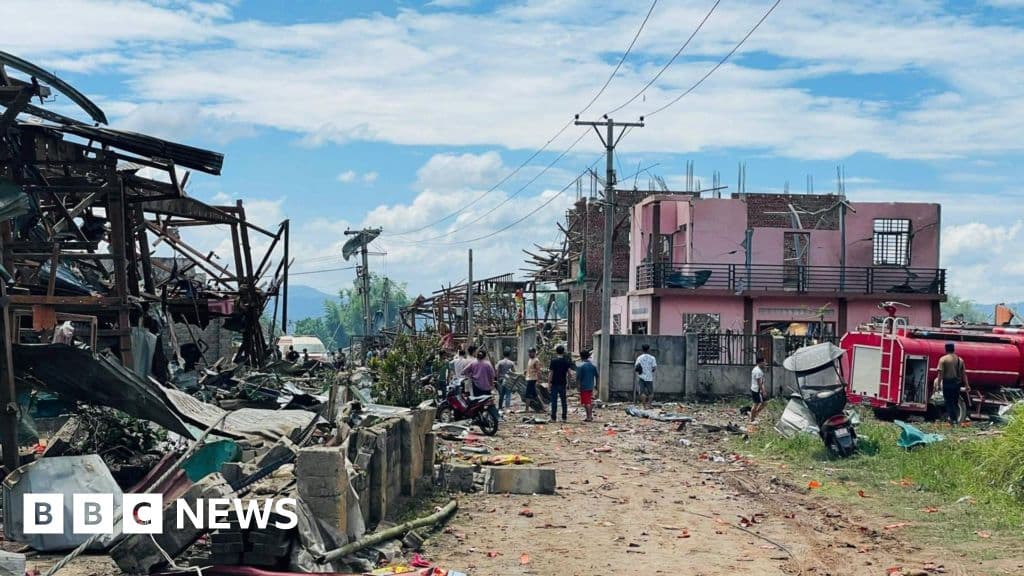
A devastating explosion in Myanmar's Kaung Tat village has killed at least 55 people, raising serious safety concerns and questions about civilian protection in conflict zones.
BBC World