
Image: BBC Science
A landmark pollution case against Avara Foods and Welsh Water begins in the High Court as over 4,500 claimants seek accountability for river contamination.
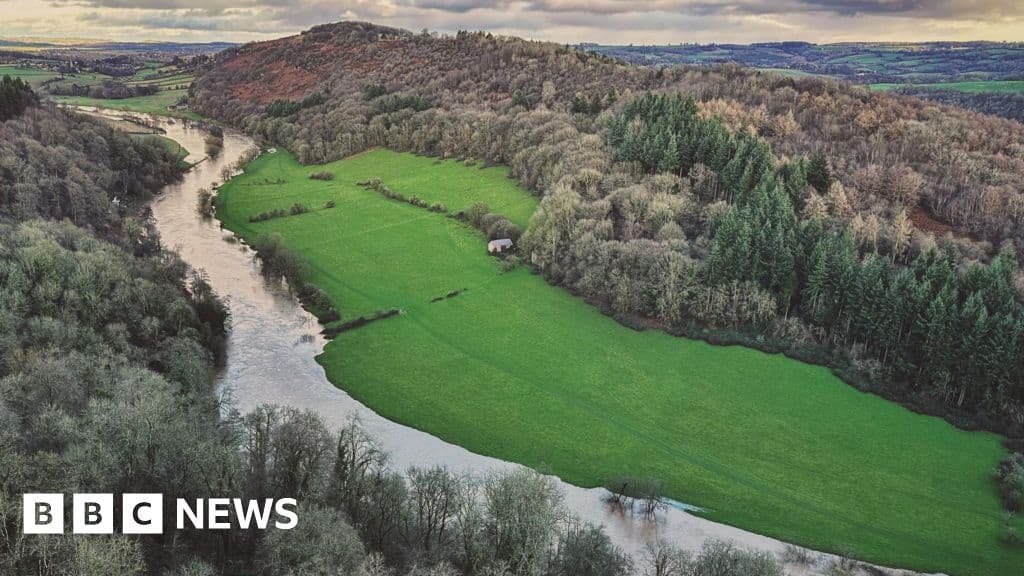
GlipzoIn an unprecedented legal battle, Avara Foods, one of the largest chicken producers in the UK, along with Welsh Water, is facing accusations of severe pollution affecting the River Wye, River Lugg, and River Usk. This landmark case, which commenced in the High Court on Monday, has garnered the attention of more than 4,500 residents from the Welsh-English border who claim that these companies have significantly harmed the local environment.
The significance of this case cannot be overstated. It represents the largest environmental pollution claim in UK history, both in terms of the number of affected individuals and the geographical area involved. The claimants argue that pollution from industrial farming practices and sewage spills have led to a decline in water quality, impacting the rivers' ecosystems and the livelihoods of those living in proximity to these waterways.
The River Wye, known for its natural beauty and ecological importance, has faced increasing scrutiny in recent years. Residents have reported disturbing changes, including the river turning a vivid green during summer months, accompanied by unpleasant odors and slimy textures. The legal action initiated by local residents seeks not only to hold Avara Foods and Welsh Water accountable but also to demand immediate action for river restoration and compensation for impacted communities.
Lead claimant Justine Evans, a wildlife filmmaker, expressed her frustration with the current state of the river:
> "That just isn't what this river should look like and feel like and smell like. There's been systemic failure going on. And so in light of that, it seemed like the only course of action is to take legal action and make polluters pay."
Campaigners have long pointed to the rapid expansion of industrial chicken farming as a primary factor contributing to the pollution of the River Wye. Currently, approximately 24 million chickens are raised in the area, accounting for about a quarter of the UK's total chicken population. The problem stems from the spreading of chicken manure as fertilizer, which the claimants allege leads to excessive nutrient runoff into the rivers.
The nutrients from the manure, particularly phosphorus and nitrogen, often wash off fields during rainfall, elevating harmful bacteria levels in waterways and leading to algal blooms. The situation has been aggravated by sewage spills, compounding the environmental crisis. The 2023 report by Natural England rated the condition of the River Wye as “unfavorable - declining,” attributing the deterioration to agricultural practices and climate change.
The law firm Leigh Day is spearheading this case on a no-win, no-fee basis, meaning that the claimants will not have financial liability unless they win. Their argument hinges on the assertion that while arable farmers spread the manure, Avara Foods and its subsidiary Freemans of Newent should be held accountable for the downstream effects of their operations.
According to lawyer Celine O'Donovan,
> "The poultry companies that are being sued in this claim knew what the outcome of their operations were going to be when they expanded the poultry production in this area. As a result, the responsibility for the decline of these rivers needs to lie with the people that knew what was going to happen and have made the money from it."
The claims against Avara Foods and Welsh Water include allegations of negligence, public and private nuisance, and trespass due to the deterioration of riverbeds on claimants' properties.
In response to the allegations, Avara Foods has labeled the claims as “misconceived,” asserting confidence in their position and stating that the case lacks a robust scientific foundation. They argue that the health of rivers is influenced by multiple factors, and they pointed out that phosphorus levels have decreased since the early 1990s.
Welsh Water has also rejected the claims, describing them as “misguided.” The company highlighted its commitment to addressing nutrient levels in the rivers, having invested £76 million in initiatives aimed at reducing pollution across the Wye, Lugg, and Usk rivers from 2020 to 2025.
This case is more than just a legal dispute; it symbolizes a critical moment in the fight for environmental justice in the UK. As industrial farming practices continue to expand, the ramifications on local ecosystems are becoming increasingly evident, raising questions about corporate responsibility and environmental protection.
The outcome of this case could set a significant precedent for future environmental claims, potentially influencing regulations surrounding agricultural practices and water quality management. It underscores the importance of community advocacy in holding corporations accountable for their environmental impacts.
As the proceedings unfold, all eyes will be on the High Court to see how the legal arguments shape the future of environmental regulation in the UK. The implications of this case could resonate far beyond the borders of the affected rivers, influencing policies and practices across the nation.
Stakeholders, including environmental groups and local residents, will be keenly watching how the High Court addresses these complex issues of industrial pollution and corporate accountability. As the legal battle progresses, it will be crucial to monitor not only the court's decisions but also any potential reforms that might arise in response to the findings of this landmark case.
In conclusion, the fight for cleaner rivers and accountability from polluting industries is a pressing issue that resonates with communities across the UK. The outcome of this case may well be a turning point in the ongoing struggle for environmental justice and sustainability.
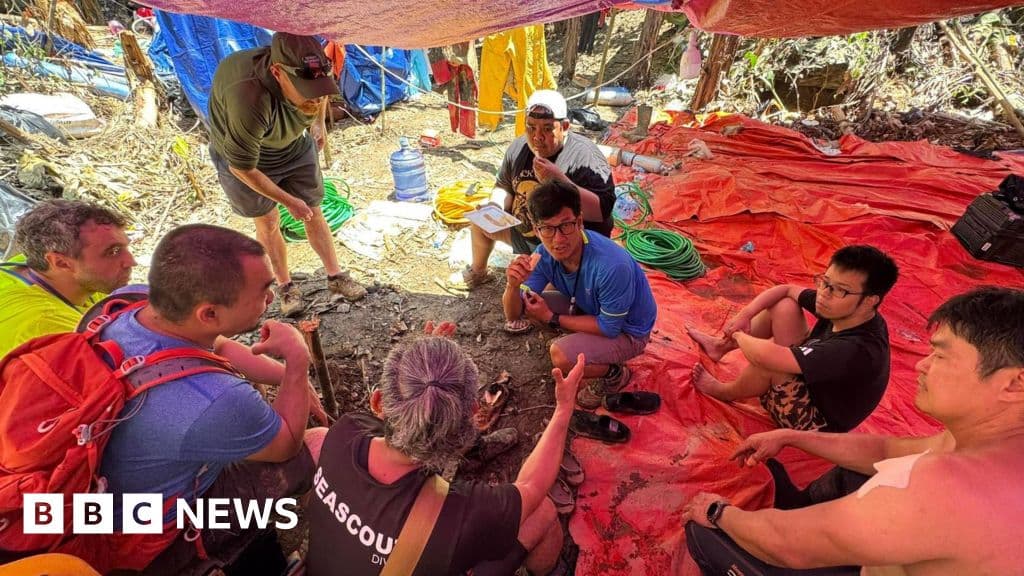
Survivors of the Laos cave rescue are aiding efforts to find the last two missing men trapped inside, sharing crucial insights for the search operation.
BBC World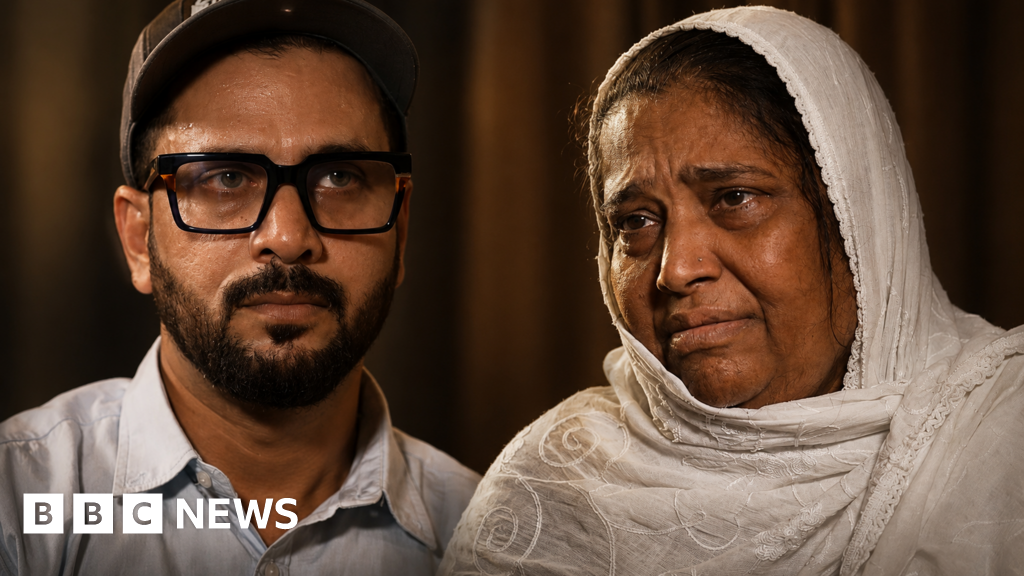
A year after the tragic Air India crash, the Ali family reflects on grief, unanswered questions, and the enduring bonds of love in the face of loss.
BBC Business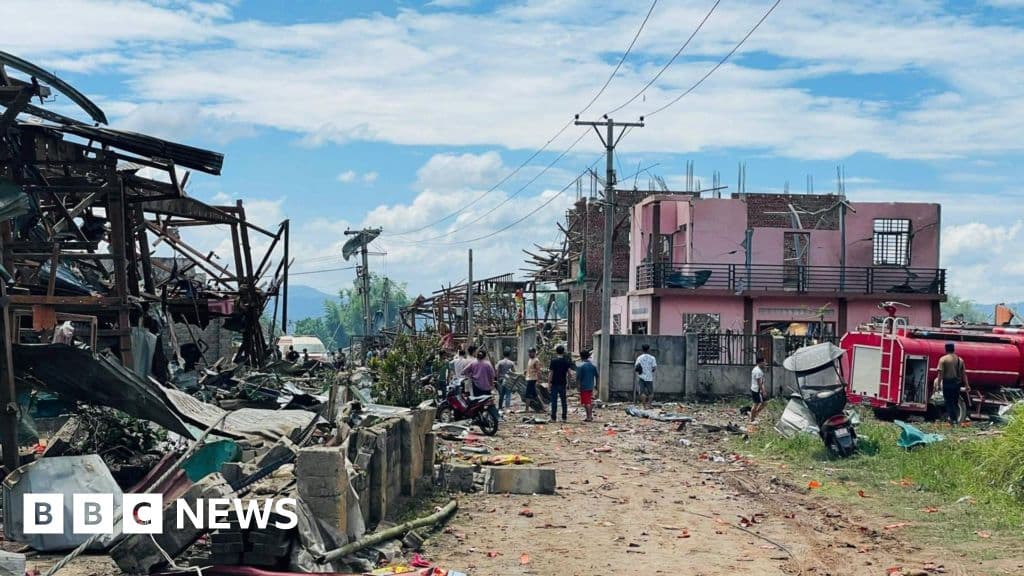
A devastating explosion in Myanmar's Kaung Tat village has killed at least 55 people, raising serious safety concerns and questions about civilian protection in conflict zones.
BBC World