
Image: BBC Science
Discover how England's sewage spills dramatically decreased by 48% in 2025, driven by drier weather. What does this mean for the future of water management?
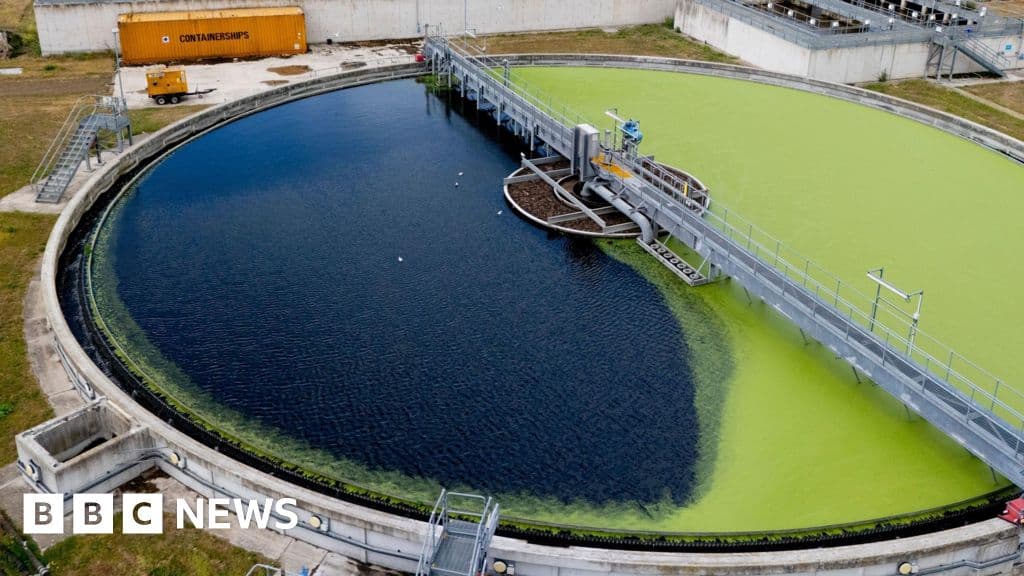
GlipzoSewage overflows typically occur during rainfall when the combined sewage system—a network that channels both rain and wastewater—becomes overwhelmed. With 24% less rainfall recorded in the past year, England experienced fewer instances of these discharges. This news, however, has drawn mixed reactions from environmental advocates who caution against viewing these statistics as a sign of genuine progress.
The complexity of the situation lies in determining how much of the drop results from decreased rainfall versus actual improvements in water management. The Environment Agency has stressed the necessity for ongoing investments to achieve lasting improvements in the water system. In contrast, Water UK, the industry’s governing body, asserts that the country is beginning to witness the benefits of increased financial commitments to infrastructure improvements.
Particularly noteworthy are the efforts of companies like United Utilities and Yorkshire Water, which have upgraded over 400 and 100 storm overflows respectively. Despite these improvements, Emma Hardy, the water minister, expressed concern that there remains an “unacceptable amount of sewage” entering England’s waterways, highlighting the long journey ahead in restoring the health of rivers, lakes, and coastal areas.
The situation is exacerbated by instances of dry spilling, where sewage is released even in dry conditions—a practice considered illegal due to the lack of dilution. For the first time, the Environment Agency has published data on these dry spills, revealing that there were 14,700 occurrences last year. Following this revelation, the agency has initiated investigations into these incidents to ensure accountability among water companies.
This landscape of evolving regulations and public scrutiny suggests that the future of sewage management in England hinges on sustained investment, effective oversight, and a commitment to environmental accountability. As climate change continues to impact weather patterns, the resilience of England's water infrastructure will undoubtedly face further tests.
In summary, while the notable drop in sewage spill hours is a step in the right direction, it serves as a reminder of the significant work that remains. Citizens and environmental advocates will be watching closely to see if water companies can turn this trend into lasting change for cleaner and healthier waterways.
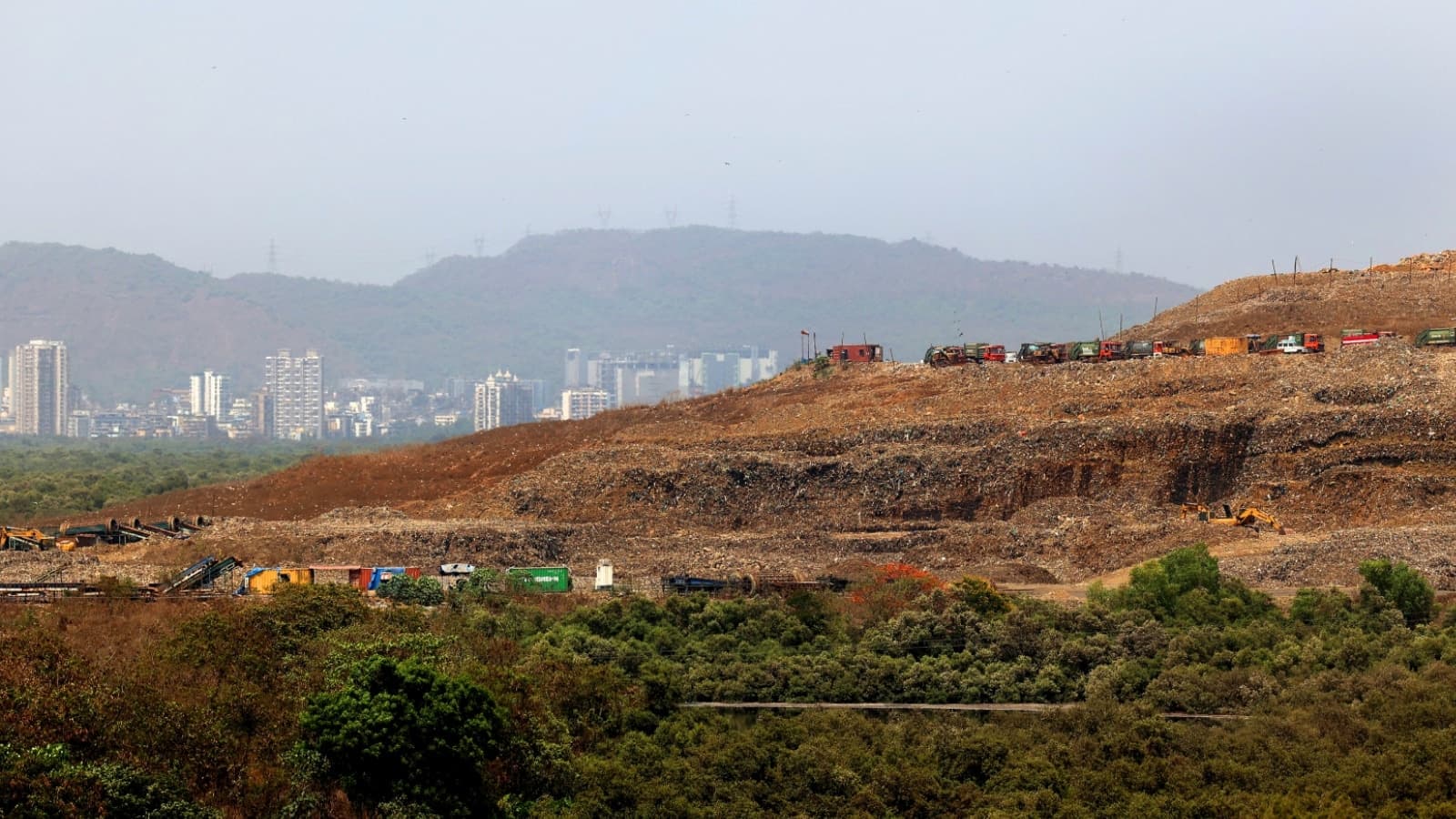
Discover how Mumbai's Kanjurmarg landfill poses a serious health risk to nearby residents, drawing international attention to a growing environmental crisis.
Indian Express
Discover the implications of white-tailed eagles' return to Exmoor. Farmers voice concerns over livestock safety amidst conservation efforts. What’s next?
BBC Science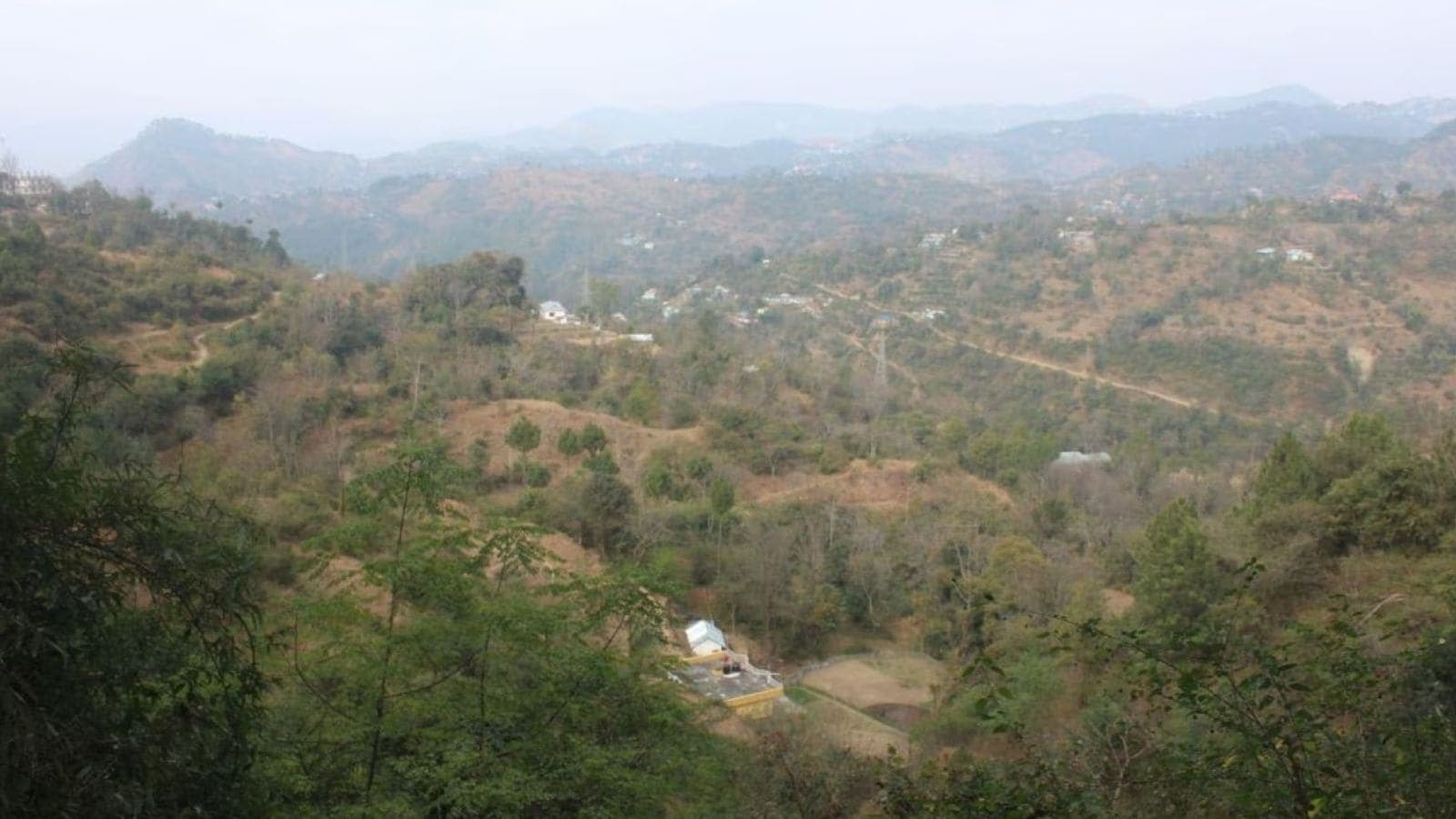
Himachal Pradesh reveals alarming forest loss due to encroachment, with 0.11% of land illegally occupied. What’s next for the state's environmental future?
Indian Express