
Image: BBC Business
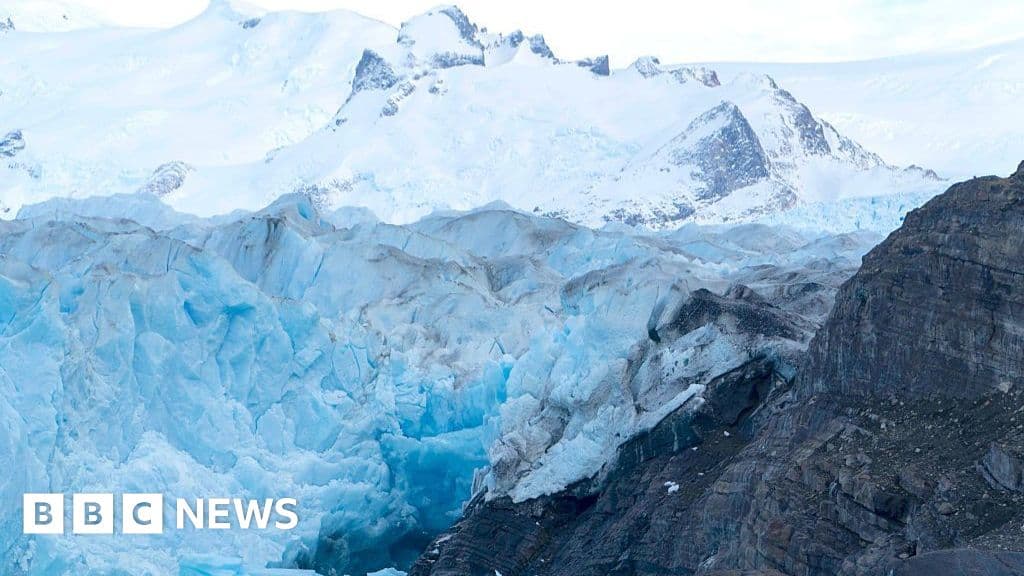
Argentina faces a water crisis as glaciers lose protection, raising alarms for vineyards and millions relying on them. What will happen next?
GlipzoIn the picturesque region of Mendoza, Argentina, the stakes have never been higher regarding water security. Winemakers like Virginia de Valle are sounding the alarm as government reforms threaten the protection of the nation’s precious glaciers. These glaciers are not just stunning natural formations; they are crucial lifelines for millions, supplying water to vineyards, homes, and entire communities.
"Without water, there would be no wine," Virginia de Valle passionately states as she guides visitors through her family’s 16-hectare vineyard nestled in the shadow of the Andes mountains. The recent changes passed by Argentine lawmakers to ease protections on glaciers have raised serious concerns among local farmers and residents. For them, the glaciers are vital for irrigation and drinking water, especially in a region that has faced increasing drought conditions.
Argentina boasts 16,968 glaciers, a critical resource providing water to 36 river basins across 12 provinces. These glaciers support the livelihoods of approximately seven million people. The Andes mountains, with their seasonal snow and glaciers, are the primary source of this essential water, feeding into rivers that sustain agriculture and drinking supplies.
In 2010, Argentina became a pioneer by enacting a law aimed at protecting these vital ice reserves, recognizing their significance as water sources and prohibiting harmful commercial activities that could jeopardize their integrity. This landmark legislation also safeguarded the periglacial environment, which encompasses critical water sources trapped in frozen soils.
However, the recent legislative changes shift the responsibility of glacier protection from the federal level to individual provinces. This means that if a province determines that certain glaciers do not qualify as "strategic" water reserves, they could be removed from the national inventory maintained by the Argentine Institute of Snow Research, Glaciology and Environmental Sciences (Ianigla). Consequently, these glaciers may lose their environmental protections, opening the door to potentially harmful activities.
Proponents of the newly passed reforms argue that the previous law acted as an impediment to economic growth, particularly hindering the extraction of vital minerals like copper and lithium. They believe that easing these regulations will attract investment and stimulate regional economies.
Conversely, critics warn that large-scale mining operations could disrupt water flow from the Andes, threatening the already precarious water security for millions. The opposition is vocal, with the slogan "Los glaciares no se tocan" (hands off the glaciers) echoing through cities and towns across the nation.
The public’s response to the proposed changes has been overwhelmingly critical. In a demonstration of civic engagement, over 100,000 people signed up to express their concerns during a public hearing at Argentina’s Chamber of Deputies. However, only a small fraction—less than 400 individuals—were allowed to speak during the two-day session, highlighting the disconnect between governmental decisions and public sentiment.
Agostina Rossi Serra, a biologist with Greenpeace, emphasized the widespread public opposition, stating, "It made clear that it's not just environmental organizations who were asking for this law not to be amended; it was the people, the public, who were asking for water to continue to be protected."
President Javier Milei has positioned the Andes as a gateway to lucrative investments from mining companies, arguing that the previous laws stifled potential economic growth in mineral-rich provinces. He pointed out, "Argentina doesn't export even a single gram of copper, while Chile, which shares the same mountain range with us, exports $20 billion a year."
This perspective has raised concerns among environmentalists and local residents who fear that prioritizing short-term economic gains may lead to long-term ecological disaster. Virginia de Valle succinctly countered, "Milei doesn't care about natural resources or how it's going to end for us."
As the debate over glacier protection intensifies, the future of Argentina's water security hangs in the balance. The potential consequences of these legislative changes are profound, threatening not only the vineyards of Mendoza but also the broader ecological health of the regions that depend on these glaciers.
The situation calls for urgent attention and dialogue among stakeholders, as the implications of these reforms could resonate for generations. With climate change exacerbating water scarcity, the phrase “Every drop of water counts” may soon become more than just a saying; it could be the mantra that guides Argentina towards a sustainable future, or a warning of what could be lost without adequate protections for its vital glaciers.
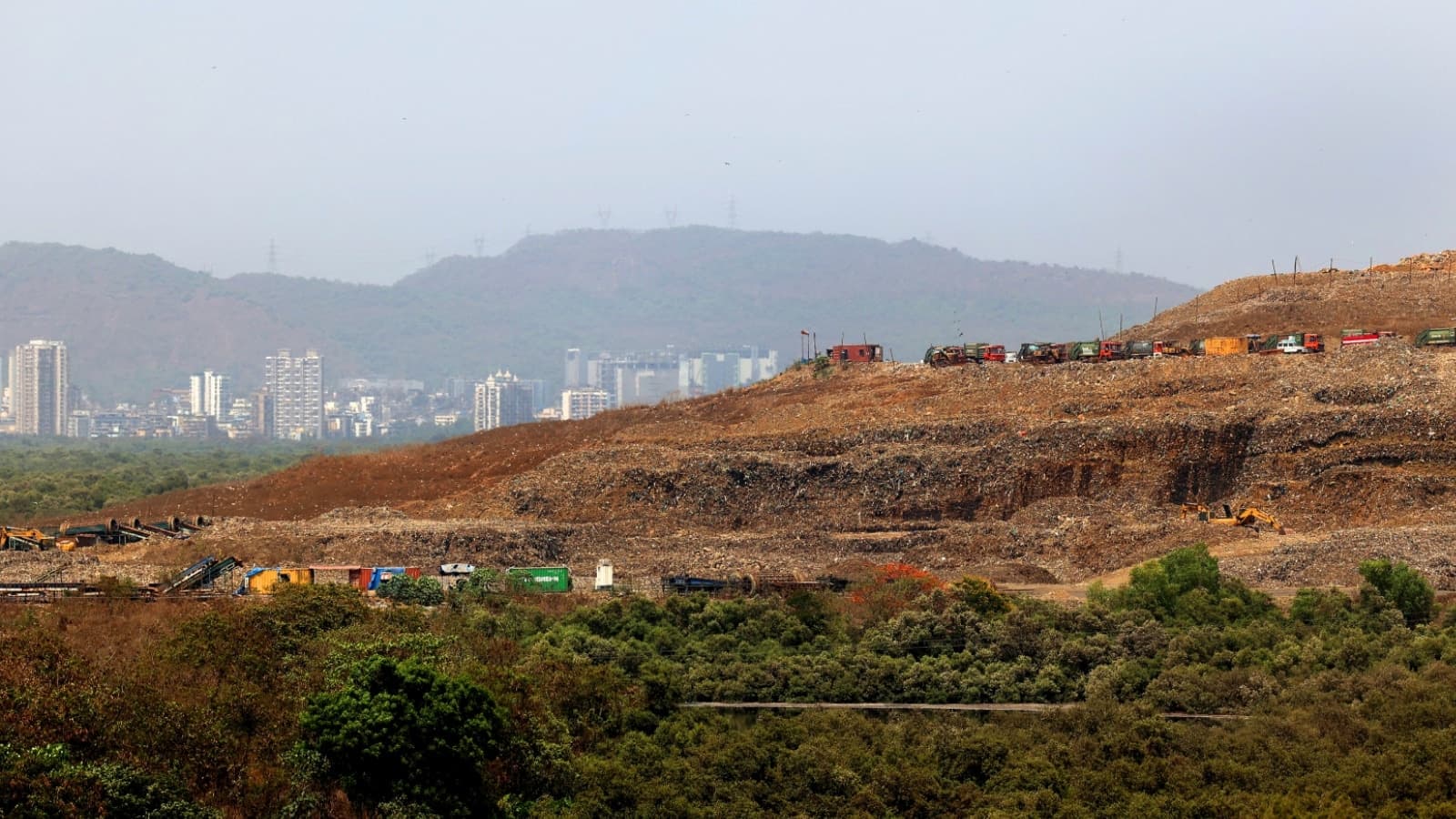
Discover how Mumbai's Kanjurmarg landfill poses a serious health risk to nearby residents, drawing international attention to a growing environmental crisis.
Indian Express
Discover the implications of white-tailed eagles' return to Exmoor. Farmers voice concerns over livestock safety amidst conservation efforts. What’s next?
BBC Science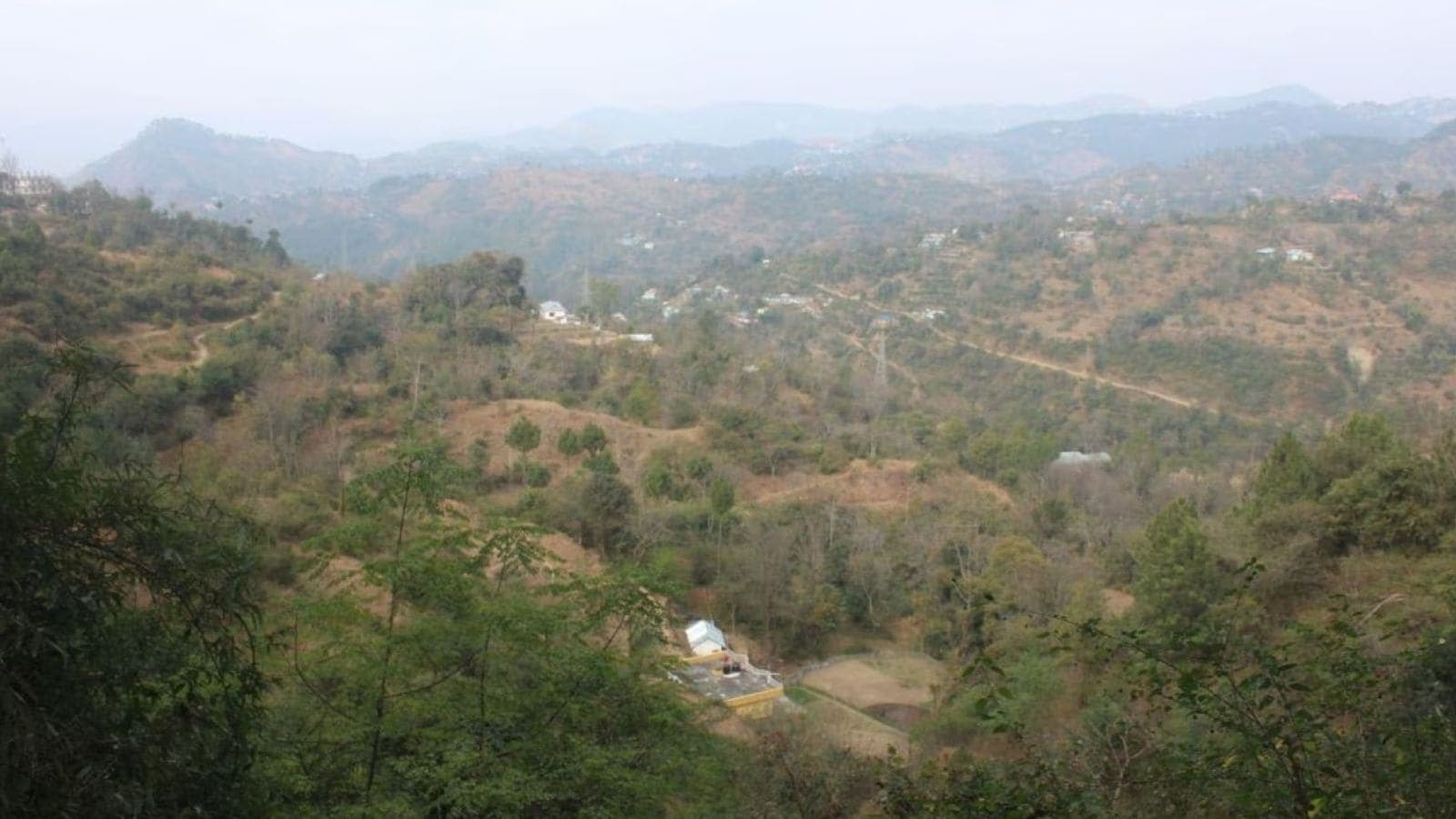
Himachal Pradesh reveals alarming forest loss due to encroachment, with 0.11% of land illegally occupied. What’s next for the state's environmental future?
Indian Express