
Glipzo
WorldTechnologyBusinessSportsEntertainmentScienceHealthPolitics
Glipzo
WorldTechnologyBusinessSportsEntertainmentScienceHealthPolitics
  1. Home
  2. /
  3. World
  4. /
  5. Shocking Drone Strike Near Abu Dhabi Nuclear Plant Raises Alarms
Shocking Drone Strike Near Abu Dhabi Nuclear Plant Raises Alarms

Image: BBC World

World
Monday, May 18, 20265 min read

Shocking Drone Strike Near Abu Dhabi Nuclear Plant Raises Alarms

A drone strike near Abu Dhabi's nuclear plant escalates tensions in the UAE. What does this mean for regional security and nuclear safety?

Glipzo News Desk|Source: BBC World
Share
Glipzo

Key Highlights

  • Drone strike near Abu Dhabi nuclear plant sparks safety concerns.
  • UAE calls attack an 'unacceptable act of aggression'.
  • International watchdogs express grave concern over nuclear safety.
  • Saudi Arabia intercepts drones amid escalating regional tensions.
  • What’s next for UAE’s nuclear safety and regional stability?

In this article

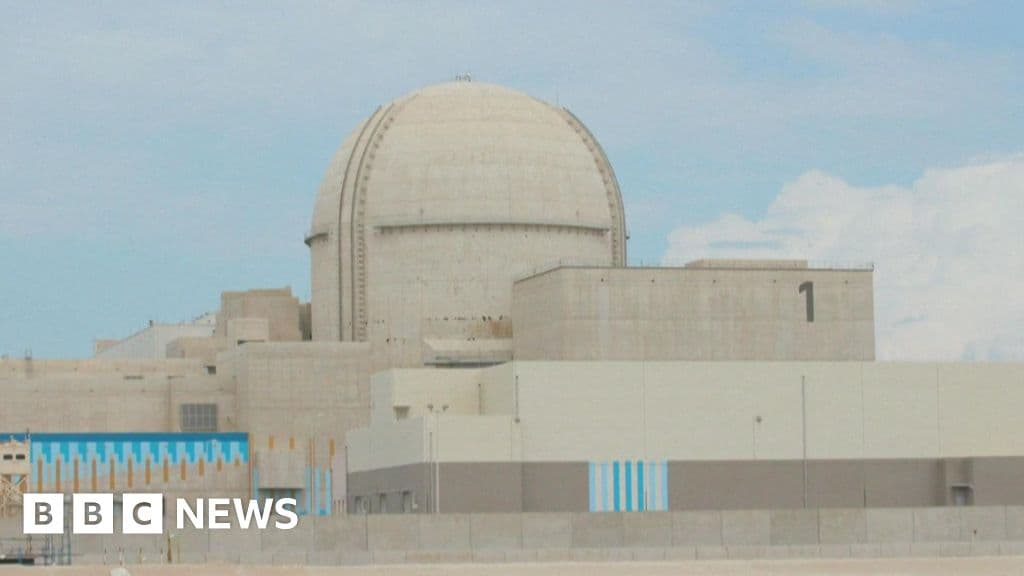
  • Drone Strike Near Abu Dhabi Nuclear Facility Sparks Tension On **Sunday**, the **United Arab Emirates (UAE)** experienced a **drone strike** that ignited a fire near its **Barakah Nuclear Power Plant**, marking a significant escalation in regional tensions. The incident, which officials labeled a "dangerous escalation," has raised serious concerns over the safety of nuclear facilities in a volatile area.
  • UAE's Strong Response to Aggression In the wake of the attack, the UAE's foreign ministry condemned the strike as an **"unacceptable act of aggression"** and emphasized its right to respond to any hostility. The ministry stated that “the targeting of peaceful nuclear energy facilities is a flagrant violation of international law, the UN charter, and the principles of humanitarian law.” This statement underscores the UAE's commitment to defending its sovereignty and the integrity of its nuclear operations.
  • International Reactions and Concerns The **Abu Dhabi Media Office** confirmed that the fire originated in an electrical generator and that precautionary measures were enacted to ensure safety at the plant, which continues to operate normally. In response to the incident, the **International Atomic Energy Agency (IAEA)** expressed its grave concern, with **IAEA Director General Rafael Grossi** emphasizing that “military activity that threatens nuclear safety is unacceptable.” He called for maximum military restraint from all parties involved.
  • Regional Tensions and Ongoing Hostilities On the same day as the drone strike, **Saudi Arabia's defense ministry** announced that it had intercepted and destroyed three drones that had entered its airspace from **Iraq**, further illustrating the escalating military activities in the region. Iran's military actions have intensified since the outbreak of hostilities between the U.S. and Israel against Iran on **February 28**.
  • Implications for Nuclear Safety and Regional Stability The drone strike near the Barakah Nuclear Power Plant is a stark reminder of the ongoing volatility in the Gulf region. It raises critical questions about the safety of nuclear facilities amid military conflicts and the potential for broader implications should these tensions escalate further.
  • What’s Next for the UAE and Regional Security? Moving forward, several key developments are worth watching: - **Further Investigations**: Authorities are expected to announce the findings of their investigations regarding the drone's origin and any potential threats to national security. - **International Reactions**: The response from global powers, particularly the U.S. and allies, may influence regional strategies regarding military presence and support for the UAE. - **Iran's Response**: Iran’s potential retaliation or further military actions could escalate tensions even further, making it crucial for the global community to mediate. - **Nuclear Safety Protocols**: The UAE may enhance its nuclear safety protocols and increase collaboration with international partners to ensure the safety of its facilities amid rising threats.

Drone Strike Near Abu Dhabi Nuclear Facility Sparks Tension On **Sunday**, the **United Arab Emirates (UAE)** experienced a **drone strike** that ignited a fire near its **Barakah Nuclear Power Plant**, marking a significant escalation in regional tensions. The incident, which officials labeled a "dangerous escalation," has raised serious concerns over the safety of nuclear facilities in a volatile area.

Authorities are currently investigating the origins of the strike. The UAE's defense ministry reported that three drones entered the country from the western border, with two being intercepted before the third successfully struck an electrical generator outside the plant's inner perimeter. Fortunately, there were no injuries, and local authorities assured that there was no threat to radiological safety levels.

UAE's Strong Response to Aggression In the wake of the attack, the UAE's foreign ministry condemned the strike as an **"unacceptable act of aggression"** and emphasized its right to respond to any hostility. The ministry stated that “the targeting of peaceful nuclear energy facilities is a flagrant violation of international law, the UN charter, and the principles of humanitarian law.” This statement underscores the UAE's commitment to defending its sovereignty and the integrity of its nuclear operations.

The defense ministry reiterated its resolve to confront any actions that threaten the nation's security, signaling a firm stance against potential threats from regional adversaries. While officials have not determined the launch site of the drone, past incidents have seen the UAE attributing attacks on its infrastructure to Iran. This incident comes against the backdrop of ongoing tensions that have heightened since the conflict in the region escalated earlier in the year.

International Reactions and Concerns The **Abu Dhabi Media Office** confirmed that the fire originated in an electrical generator and that precautionary measures were enacted to ensure safety at the plant, which continues to operate normally. In response to the incident, the **International Atomic Energy Agency (IAEA)** expressed its grave concern, with **IAEA Director General Rafael Grossi** emphasizing that “military activity that threatens nuclear safety is unacceptable.” He called for maximum military restraint from all parties involved.

The UAE's nuclear power facility, which is the first of its kind in the Arab world, has been a point of pride for the nation, aiming to diversify its energy sources and reduce reliance on fossil fuels. However, the current geopolitical climate makes its safety paramount, especially as tensions with Iran continue to simmer.

Regional Tensions and Ongoing Hostilities On the same day as the drone strike, **Saudi Arabia's defense ministry** announced that it had intercepted and destroyed three drones that had entered its airspace from **Iraq**, further illustrating the escalating military activities in the region. Iran's military actions have intensified since the outbreak of hostilities between the U.S. and Israel against Iran on **February 28**.

Iran has accused the UAE and other U.S. allies of facilitating attacks against it, while the UAE vehemently denies any involvement in conducting airstrikes. Although a ceasefire was established between the U.S. and Iran in April, sporadic exchanges of fire have continued, indicating a fragile peace.

President Donald Trump recently remarked that the ceasefire was on “massive life support,” indicating the precarious nature of the situation. His administration has rejected Iranian proposals to cease hostilities and reopen the Strait of Hormuz, a vital shipping route that has faced significant security concerns since the onset of conflict.

Implications for Nuclear Safety and Regional Stability The drone strike near the Barakah Nuclear Power Plant is a stark reminder of the ongoing volatility in the Gulf region. It raises critical questions about the safety of nuclear facilities amid military conflicts and the potential for broader implications should these tensions escalate further.

The UAE's commitment to maintaining nuclear safety standards will be closely monitored, not only by regional observers but also by international bodies concerned about nuclear proliferation and safety. As nations navigate these complex dynamics, the need for diplomatic engagement and conflict resolution becomes increasingly urgent.

What’s Next for the UAE and Regional Security? Moving forward, several key developments are worth watching: - **Further Investigations**: Authorities are expected to announce the findings of their investigations regarding the drone's origin and any potential threats to national security. - **International Reactions**: The response from global powers, particularly the U.S. and allies, may influence regional strategies regarding military presence and support for the UAE. - **Iran's Response**: Iran’s potential retaliation or further military actions could escalate tensions even further, making it crucial for the global community to mediate. - **Nuclear Safety Protocols**: The UAE may enhance its nuclear safety protocols and increase collaboration with international partners to ensure the safety of its facilities amid rising threats.

In conclusion, the drone strike near the Barakah Nuclear Power Plant serves as a critical juncture for the UAE, highlighting the intersection of nuclear safety, military aggression, and geopolitical dynamics in the region. As tensions continue to evolve, the international community must remain vigilant and proactive in seeking solutions to safeguard peace and security.
Did you find this article useful? Share it!

Share

Related Articles

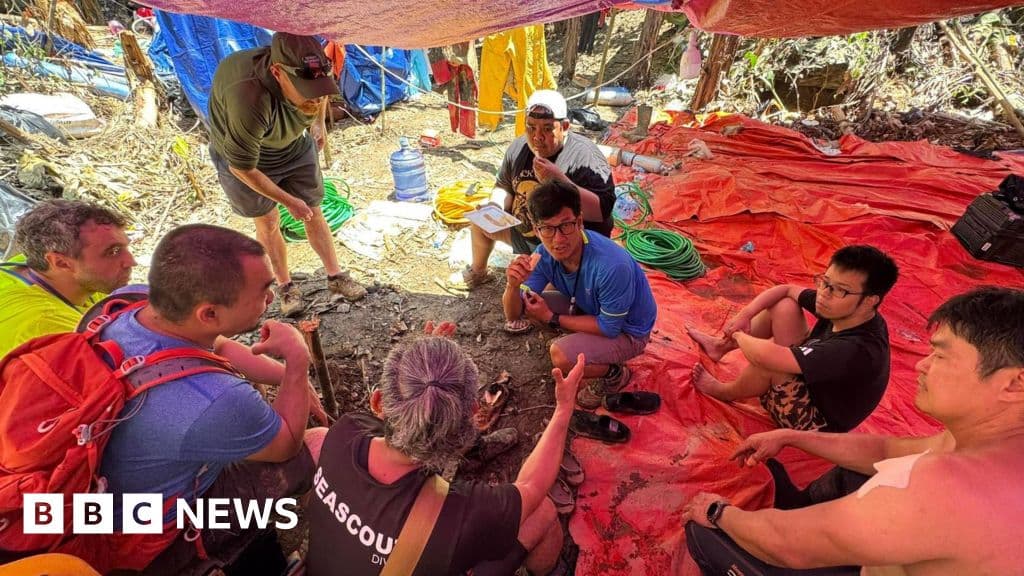
Laos Cave Survivors Assist in Search for Last Two Missing Men
World
Jun 1, 2026

Laos Cave Survivors Assist in Search for Last Two Missing Men

Survivors of the Laos cave rescue are aiding efforts to find the last two missing men trapped inside, sharing crucial insights for the search operation.

BBC World

Unraveling Grief: One Year After the Air India Crash
World
Jun 1, 2026

Unraveling Grief: One Year After the Air India Crash

A year after the tragic Air India crash, the Ali family reflects on grief, unanswered questions, and the enduring bonds of love in the face of loss.

BBC Business
Tragic Explosion Claims 55 Lives in Myanmar Village
World
Jun 1, 2026

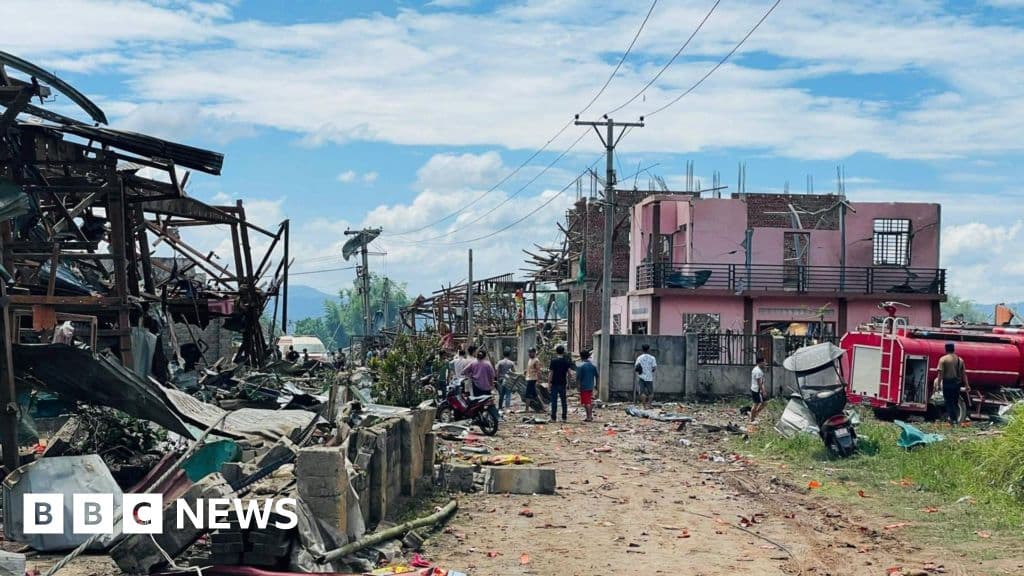
Tragic Explosion Claims 55 Lives in Myanmar Village

A devastating explosion in Myanmar's Kaung Tat village has killed at least 55 people, raising serious safety concerns and questions about civilian protection in conflict zones.

BBC World

Categories

  • World
  • Technology
  • Business
  • Sports

More

  • Entertainment
  • Science
  • Health
  • Politics

Explore

  • Web Stories
  • About Us
  • Contact

Legal

  • Privacy Policy
  • Terms of Service
  • Disclaimer

© 2026 Glipzo. All rights reserved.