
Image: BBC World
A drone strike in Nikopol, Ukraine, kills 5 and injures 21, as violence escalates. What does this mean for the ongoing conflict and global security?
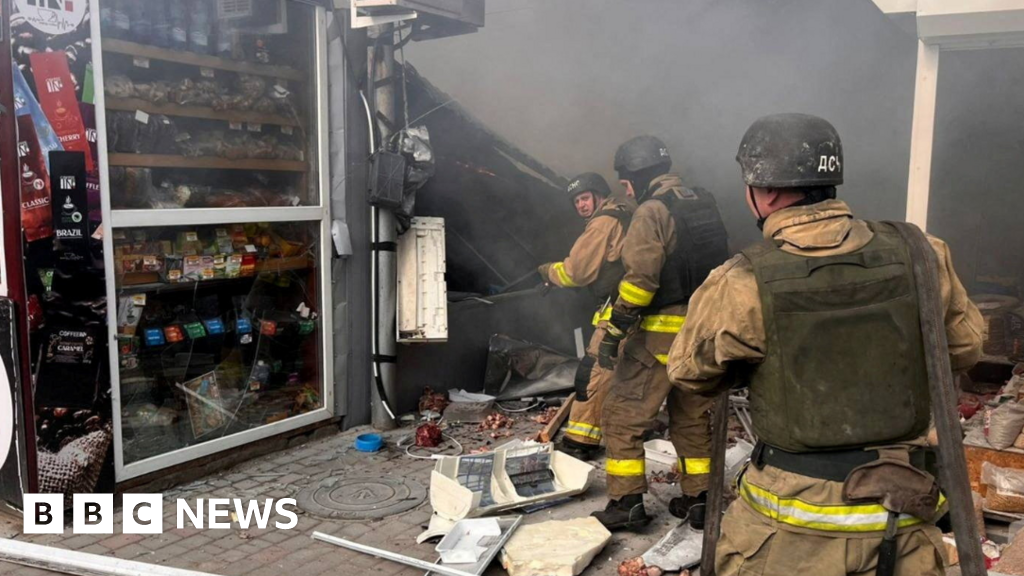
GlipzoIn a tragic escalation of violence, a Russian drone attack targeted a crowded market in Nikopol, southern Ukraine, resulting in the deaths of five individuals and injuring 21 others, including a 14-year-old girl. The strike occurred at 09:50 local time (06:50 GMT) on Saturday, sending shockwaves through the community as images of destroyed market stalls littered with debris emerged. This attack marks a grim continuation of hostilities following a Friday assault that claimed the lives of at least 15 civilians across Ukraine.
Nikopol, a town directly across the Dnipro River from territories occupied by Russian forces since the February 2022 invasion, has been a frequent target of military aggression. Almost half of its 100,000 residents have evacuated in search of safety, yet the bustling market scene was a reminder of normalcy before the violent strike.
Witnesses reported that the drone hit during a busy morning, exacerbating the tragedy with such a high number of casualties. The regional prosecutor's office confirmed that two men sustained injuries from a secondary strike shortly after the first attack, prompting an investigation into potential war crimes.
Meanwhile, the Ukrainian air force reported that Russia unleashed nearly 300 drones on various parts of Ukraine during the night, with additional casualties reported in Kharkiv and the Sumy region. Russia’s military claimed to have intercepted 85 drones, showcasing the escalating aerial conflict between the two nations.
In a reciprocal show of force, Ukraine launched drone and missile strikes targeting the southern Russian city of Taganrog, reportedly killing one individual and injuring four others. Yuri Slyusar, the governor of the Rostov region, confirmed that the attack led to a fire at a logistics company's premises, indicating the widening scope of the conflict.
A Ukrainian defense ministry official attributed the casualties in Taganrog to Russian air defense operations, illustrating the ongoing tit-for-tat exchanges that have become characteristic of the war. In addition to these developments, Ukraine reported successful drone strikes on factories in Togliatti and the Alchevsk metallurgical plant, disrupting production capabilities critical to the Russian military-industrial complex.
In an effort to ease tensions, Ukrainian President Volodymyr Zelensky proposed a truce coinciding with the upcoming Easter holidays. However, this overture has largely gone unanswered by Moscow, which continues to escalate its military operations. The recent uptick in daytime attacks, once considered rare, highlights a troubling trend in the conflict.
A British intelligence assessment has indicated that the frontline situation in eastern Ukraine is becoming increasingly favorable for Ukrainian forces, with Russian troop advances reportedly slowing. Nonetheless, diplomatic efforts to negotiate peace have stalled, particularly following shifts in U.S. foreign policy focus towards the Middle East.
Zelensky's recent diplomatic tour of Saudi Arabia, the United Arab Emirates, Qatar, and Jordan further underscores Ukraine's desperation for assistance against Russian missile attacks. He is actively seeking support in the form of drone technology and fuel supplies, as soaring global oil prices complicate Ukraine’s capacity to sustain its defense against ongoing Russian aggression.
The ongoing conflict has left Ukraine's energy infrastructure vulnerable, creating a heavy reliance on fuel imports. This dependency poses significant challenges as Russia continues its systematic attacks on energy facilities, threatening to cripple Ukraine’s operational capabilities.
As the situation unfolds, the international community watches closely, aware that each escalation in violence not only affects the immediate region but also has broader implications for global security. The ongoing conflict serves as a reminder of the delicate balance in international relations, where military actions can have far-reaching consequences.
Looking ahead, several key factors will shape the trajectory of the conflict: - Potential for Further Attacks: As both sides ramp up military operations, civilians remain at risk, heightening calls for international intervention. - Diplomatic Efforts: The effectiveness of Zelensky's outreach to Middle Eastern nations may provide critical support or exacerbate tensions further. - Energy Stability: Ukraine’s ability to secure alternative energy sources will be crucial in maintaining its defense capabilities amid ongoing assaults.
The situation in Ukraine remains fluid, and the world watches to see how the interplay of military action and diplomacy will shape the future of this war-torn nation.
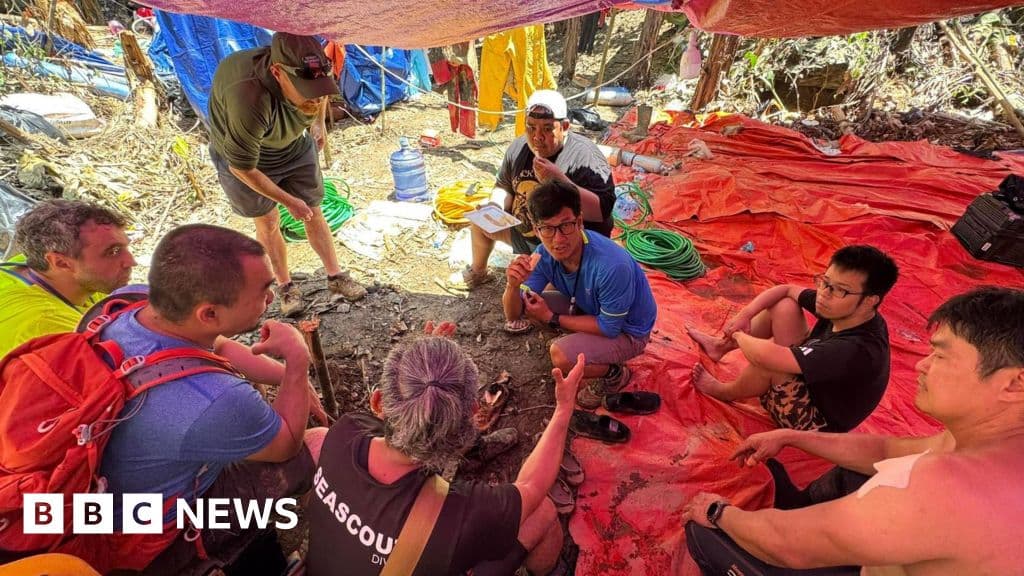
Survivors of the Laos cave rescue are aiding efforts to find the last two missing men trapped inside, sharing crucial insights for the search operation.
BBC World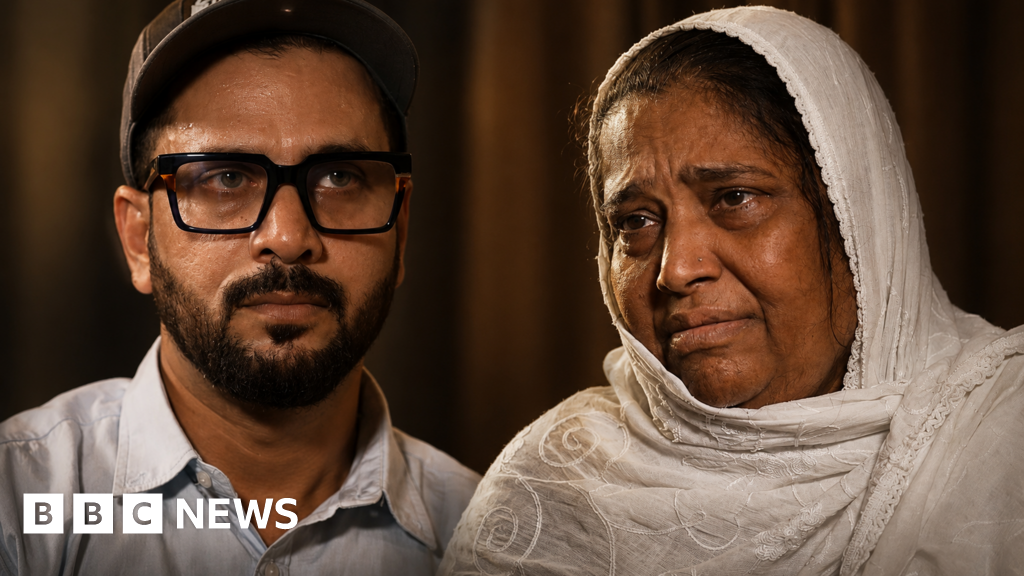
A year after the tragic Air India crash, the Ali family reflects on grief, unanswered questions, and the enduring bonds of love in the face of loss.
BBC Business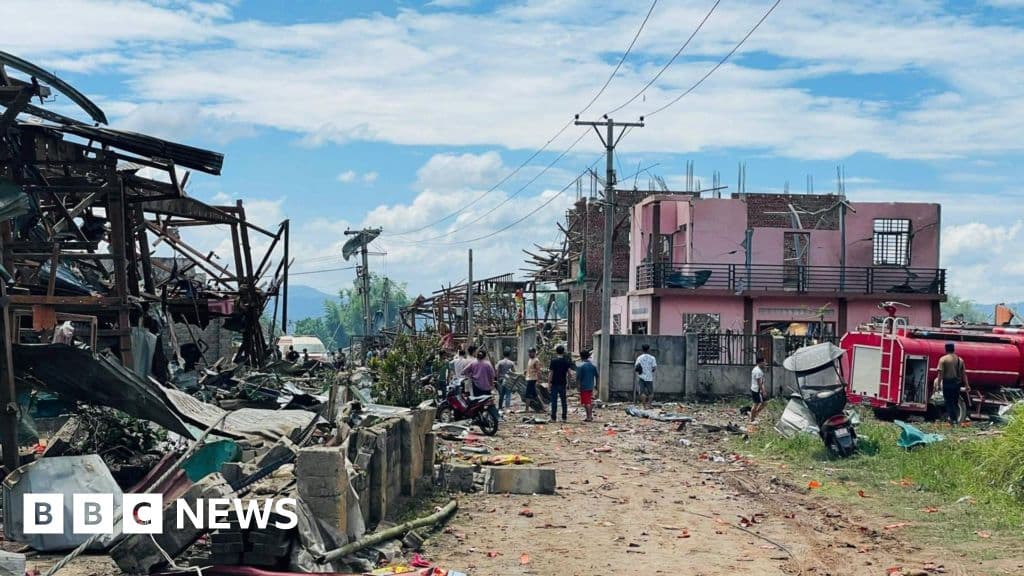
A devastating explosion in Myanmar's Kaung Tat village has killed at least 55 people, raising serious safety concerns and questions about civilian protection in conflict zones.
BBC World