
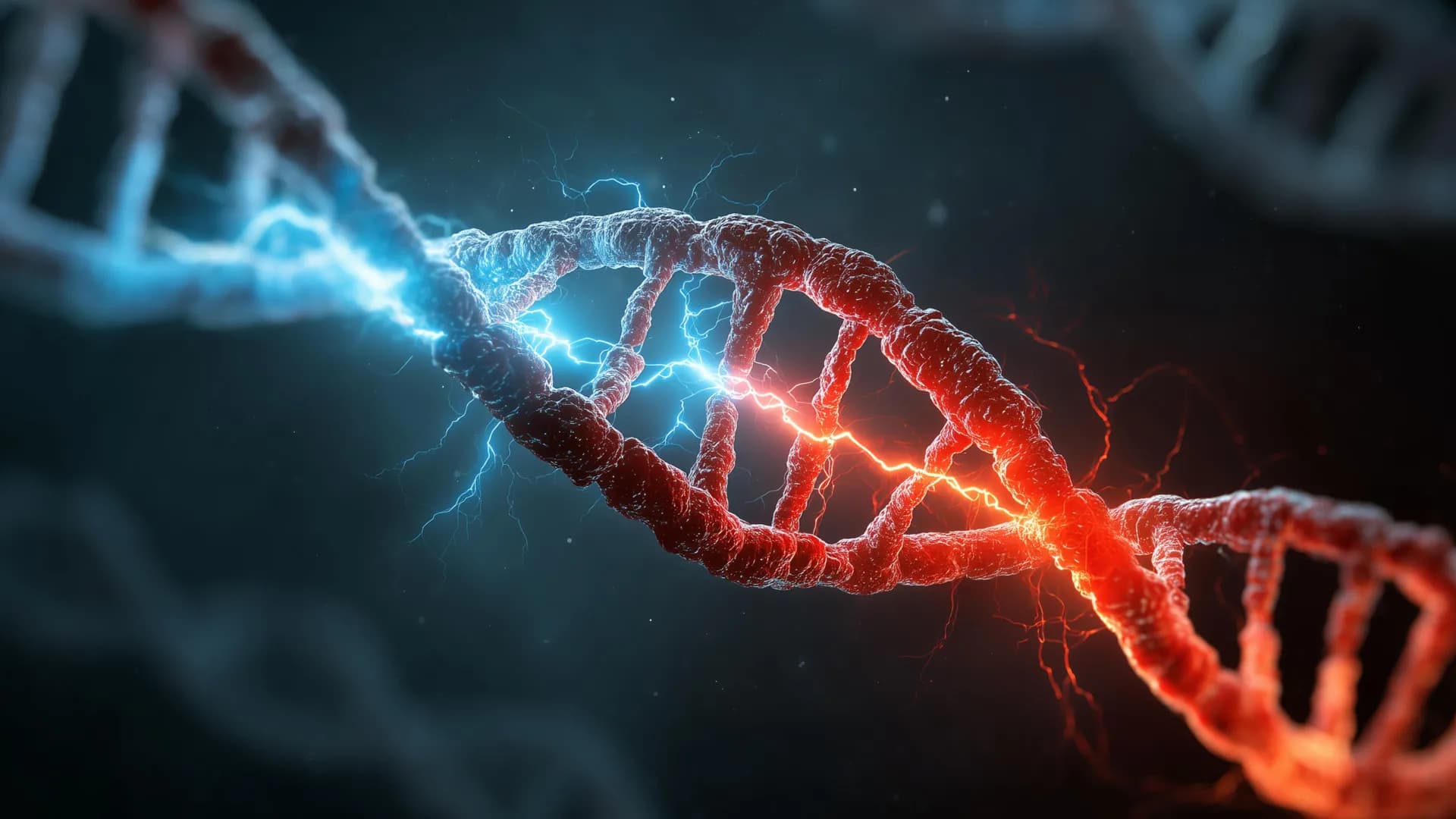
Image: Science Daily
Discover how a protein linked to ALS and dementia also plays a critical role in DNA repair, potentially reshaping cancer treatment strategies.
GlipzoIn a groundbreaking discovery, researchers from Houston Methodist have identified a significant connection between a protein associated with neurodegenerative diseases like amyotrophic lateral sclerosis (ALS) and dementia, and its role in a pivotal DNA repair process. This new insight could reshape our understanding of both brain disorders and cancer, revealing how they may be interconnected. The study was published in the journal Nucleic Acids Research, highlighting the importance of the findings.
The protein in question, known as TDP43, is crucial for a system called DNA mismatch repair. This system is responsible for correcting errors that occur when cells replicate their genetic material. According to the lead investigator, Muralidhar L. Hegde, Ph.D., a professor of neurosurgery at the Houston Methodist Research Institute, the implications of TDP43's role extend beyond basic biology. “DNA repair is one of the most fundamental processes in biology,” he stated, emphasizing the protein's critical function in maintaining cellular integrity.
The research team found that TDP43 plays a vital role in regulating genes that fix DNA errors. However, they also discovered a troubling side to its function. When the levels of TDP43 become imbalanced—either too low or too high—it can lead to excessive activity of the repair genes. Instead of providing protection to neurons, this heightened activity can cause harm, potentially destabilizing the genome and increasing the risk of developing cancer.
Key findings include: - TDP43 is essential for proper DNA mismatch repair. - Imbalance in TDP43 levels can lead to heightened DNA repair activity. - Excessive repair can harm neurons and contribute to cancer risk.
“This tells us that the biology of this protein is broader than just ALS or FTD,” Hegde remarked, highlighting the wider implications of the research. The findings suggest that TDP43 is not only relevant to neurodegenerative diseases but also plays a role in cancer biology, linking two major health issues.
In their investigation, the researchers analyzed extensive cancer databases, which revealed that higher levels of TDP43 were correlated with increased mutation rates in tumors. This connection is crucial as it positions TDP43 at the intersection of neurodegeneration and cancer, potentially paving the way for new therapeutic strategies.
The research suggests that by targeting the dysfunctional activities of TDP43, there may be an opportunity to develop treatments that could mitigate both neurodegenerative diseases and certain types of cancer.
Collaboration played a significant role in this study, with contributions from various experts, including: - Vincent Provasek - Suganya Rangaswamy - Manohar Kodavati - Joy Mitra - Vikas Malojirao - Velmarini Vasquez - Gavin Britz - Sankar Mitra from Houston Methodist - Collaborators from MD Anderson Cancer Center, University of Massachusetts, UT Southwestern Medical Center, and Binghamton University.
The findings present promising avenues for future research and treatment developments. In laboratory models, reducing the excessive DNA repair activity associated with abnormal TDP43 levels resulted in a partial reversal of cellular damage. This suggests that managing DNA mismatch repair processes could hold the key to innovative therapeutic strategies for both ALS and cancer.
As Dr. Hegde pointed out, controlling the DNA mismatch repair could be a critical therapeutic strategy moving forward. This could potentially lead to the development of treatments that address the underlying causes of both neurodegenerative diseases and cancer, rather than merely managing symptoms.
The implications of this research extend far beyond academic interest. Understanding the dual role of TDP43 in both neurodegeneration and cancer could lead to significant advancements in treatment methodologies and improve the quality of life for countless individuals affected by these conditions.
As the scientific community continues to explore the intricate relationship between DNA repair mechanisms and various diseases, this discovery adds a crucial piece to the puzzle of how we approach treatment and prevention strategies.
Moving forward, the research community will need to dive deeper into the complexities of TDP43 and its functions. Continued investigation into its role in DNA repair and disease could unveil new therapeutic options and improve outcomes for patients with ALS, dementia, and cancer.
As scientists build on these findings, the hope is that this research will not only enhance our understanding of these devastating diseases but also facilitate the development of effective interventions that could change lives for the better.

Shocking findings from Nottingham's maternity unit reveal a toxic culture and alarming neglect. What can be done to improve care? Discover the details.
BBC Health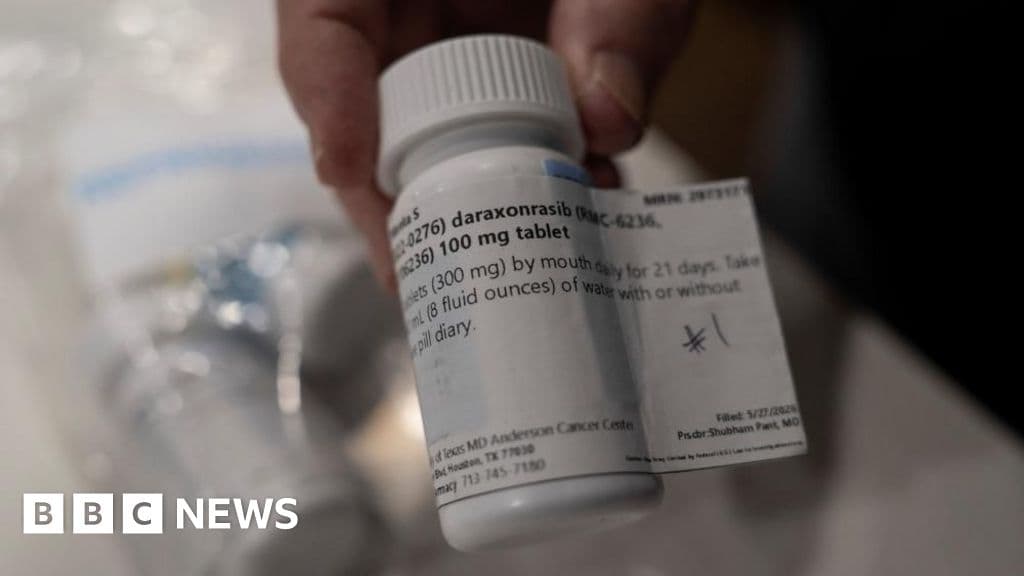
Discover how daraxonrasib, a new pill, is nearly doubling survival rates for pancreatic cancer patients, offering hope in a challenging battle against this deadly disease.
BBC Health
Waste companies propose a £5 deposit on vapes to encourage proper disposal and curb littering as the environmental impact of vapes increases.
BBC Business