
Image: BBC Business
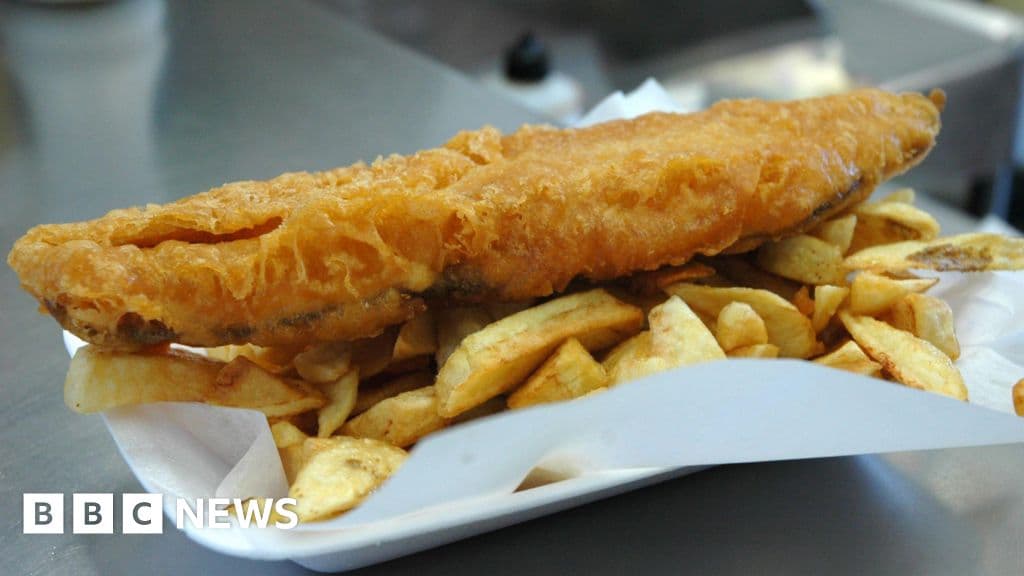
Chip shops in the North West have been caught selling catfish as traditional fish and chips, raising concerns about food labeling and consumer trust.
GlipzoThe investigation, led by BBC North West, discovered that Pangasius, commonly referred to as river cobbler, was being misrepresented in ten local chip shops. While the Chartered Trading Standards Institute maintains that such fraud is not widespread, it acknowledges that there are still businesses willing to deceive customers for financial gain. Not only are these cheaper fish significantly lower in price—approximately £3.40 per kilogram compared to £15 for cod or haddock—but they also pose a risk to the reputation of the traditional fish and chip industry.
The investigation revealed numerous online reviews indicating that customers were often confused about the type of fish they were consuming. Comments such as "haven't a clue what type of fish it was" and "not cod or haddock, some cheap white fish" highlighted a concerning trend. Following these reviews, the BBC focused on ten specific establishments—five in Liverpool and five in Manchester—to conduct further testing.
The pivotal moment in this investigation came when Liverpool John Moores University conducted DNA testing on the fish samples. The results were striking: three out of ten samples were confirmed to be Pangasius, a type of freshwater catfish. Professor Stefano Mariani, who supervised the testing, remarked, "In my experience with fish and chips, three out of ten is quite a lot. I don't recall seeing this level of catfish."
The prices at these shops varied, with catfish portions sold for £3.80 to £5, while traditional cod or haddock was priced between £4 and £6. The disparity in costs raises a significant question: can ordinary consumers distinguish between these fish? Professor Mariani noted, "It is very difficult for a member of the public that is not a trained fish biologist to identify one fillet from another."
Despite the seriousness of the findings, the BBC’s outreach to various local authorities in the North West resulted in mixed responses. Ten authorities did not reply, while eleven stated they were unaware of any ongoing issues related to fish fraud. Salford Council, however, confirmed it had previously issued a warning to a trader for selling a different type of fish as cod, urging customers to report any similar concerns.
Cook recounted a recent conversation he had with a customer who had ordered fish and chips at a pub, only to question the authenticity of the fish served. This sentiment resonates with many consumers who expect to receive quality food for their money.
Moving forward, it will be essential to monitor how local councils and the FSA respond to these findings. Will they take action to hold rogue chip shops accountable? Increased transparency in food labeling and sourcing can help restore consumer confidence. As the public calls for ethical dining experiences, the spotlight is now on fish and chip shops to uphold their commitment to quality and honesty.
The situation calls for a thorough re-evaluation of food sourcing and labeling within the industry. As consumers become more informed, those businesses that prioritize integrity will likely thrive, while those that choose deception may find themselves at a significant disadvantage in the long run.
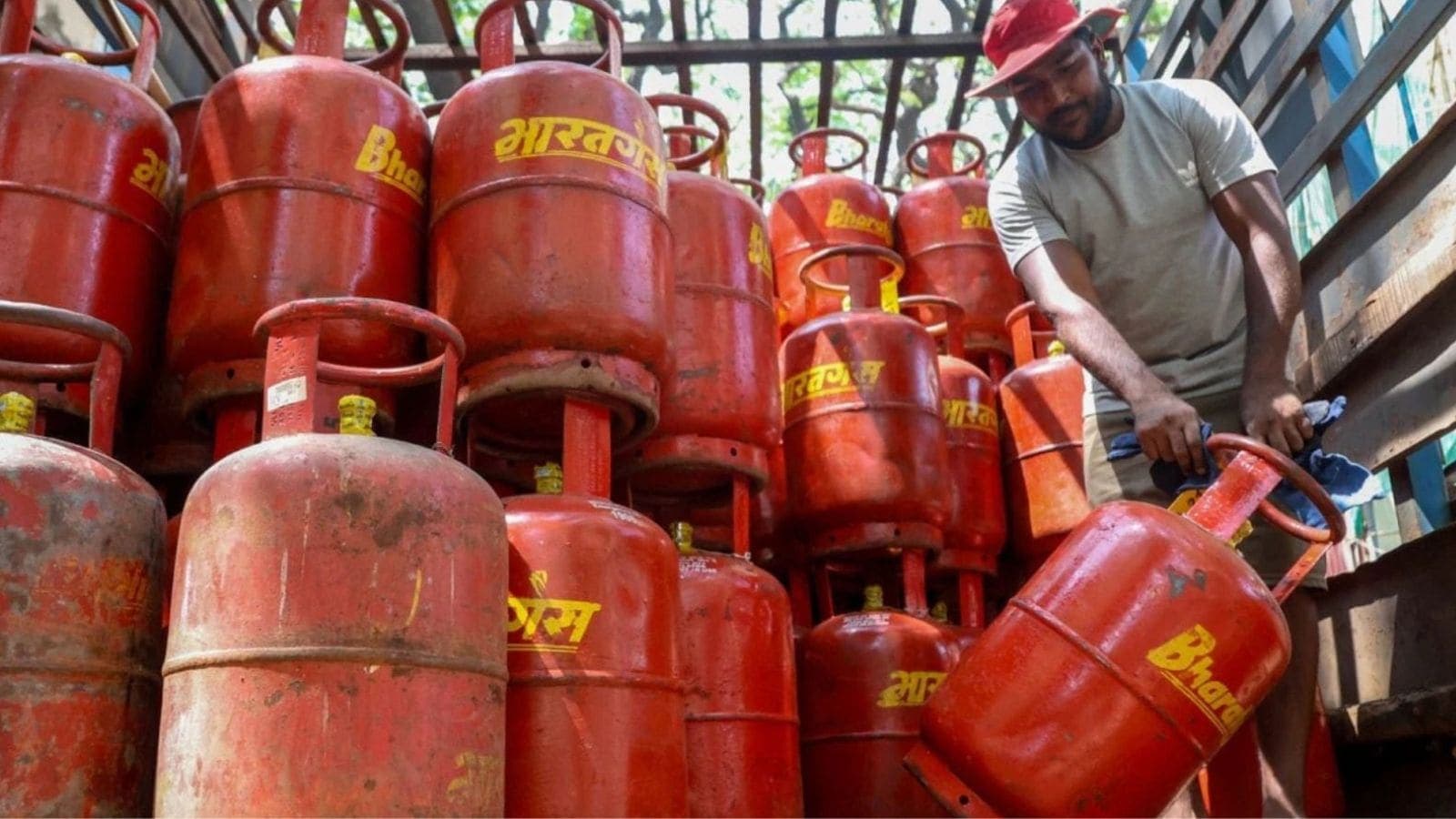
Commercial LPG prices have risen again, with increases of ₹42 in Delhi and ₹53.50 in Kolkata impacting businesses and consumers alike. Find out more.
Indian Express
Discover how a tragic coal mine explosion in Shanxi, China, reveals ongoing safety concerns in the industry amidst a push for green energy.
BBC Business
Montek Singh Ahluwalia highlights key economic challenges for India, emphasizing the need for a strategic approach to balance payments and investment.
Indian Express