

Image: Wired
Kalshi's recent $1 billion funding amid regulatory chaos raises questions about the future of prediction markets. Discover what this means for the industry.
GlipzoJust a day later, the mood shifted dramatically when it was revealed that Kalshi had successfully secured $1 billion in funding, elevating its valuation to an impressive $22 billion. This achievement seemed to promise a bright future amid the storm that was brewing. However, the tumultuous nature of the week became evident as Nevada temporarily banned Kalshi through a restraining order, while Arizona moved to file criminal charges against the company for allegedly operating an illegal gambling business.
Adding to the chaos, U.S. Senators introduced new legislation aimed at restricting certain types of markets, specifically those involving sensitive topics like government actions, terrorism, war, and assassination. This legislative push is part of a broader trend aiming to impose regulations on the burgeoning prediction market industry, which has recently come under scrutiny for its potential risks and ethical concerns.
In defense of its practices, Kalshi asserts it has stringent measures in place to prevent insider trading and markets that directly relate to sensitive subjects like death and war. Elisabeth Diana, a spokesperson for Kalshi, stated, “As a U.S.-based exchange, we support regulators and policymakers from both sides of the aisle in their efforts to keep these markets safe and responsible in America.” In contrast, Polymarket has not yet issued a comment regarding these accusations.
Polymarket, which operates largely outside the U.S. jurisdiction, continues to offer markets relating to war and other contentious issues. One such market currently available involves wagers on whether Israeli Prime Minister Benjamin Netanyahu will be out of office by a specified date, with a recent bet of $177,000 placed on a resolution by March 31. If Netanyahu were to die, Polymarket would likely resolve this market in favor of the bettors, a practice that raises ethical questions about the nature of such bets.
“It’s bone chilling to think that there are staffers inside the situation room that are pushing the United States into war, not because it’s good for our security, but because they’re going to make $100,000 off it,” he stated, highlighting the ethical dilemmas that could arise from such practices. The Trump Administration has vehemently denied allegations of insider trading, asserting that their decision-making is guided solely by the interests of the American people.
Looking ahead, it will be crucial for prediction markets to establish clear guidelines and foster trust among users while ensuring compliance with regulatory expectations. The coming weeks may prove pivotal as the industry grapples with its identity in a rapidly changing landscape amid both celebration and controversy. The potential for innovation remains strong, but so too do the challenges that lie on the horizon.
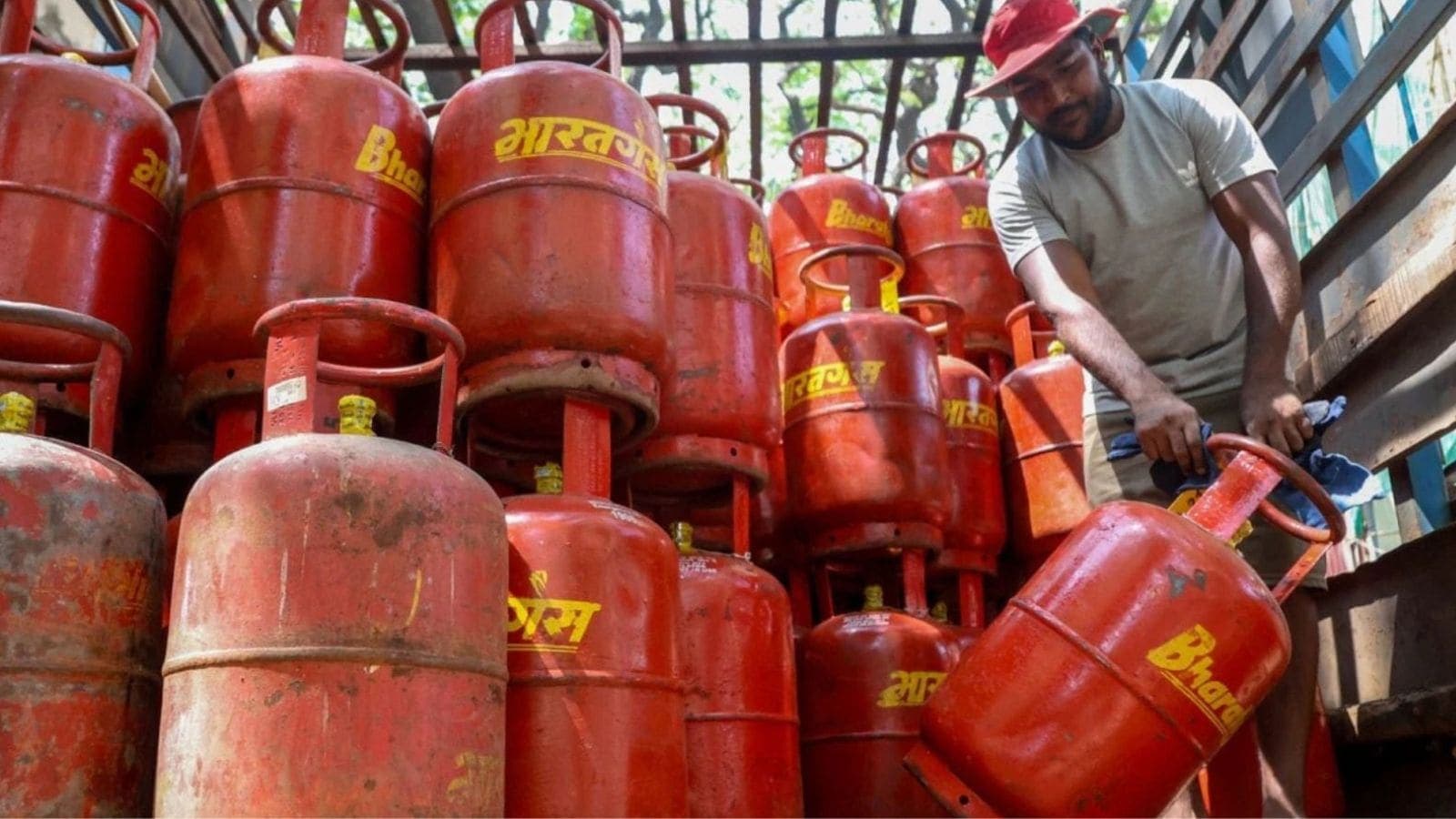
Commercial LPG prices have risen again, with increases of ₹42 in Delhi and ₹53.50 in Kolkata impacting businesses and consumers alike. Find out more.
Indian Express
Discover how a tragic coal mine explosion in Shanxi, China, reveals ongoing safety concerns in the industry amidst a push for green energy.
BBC Business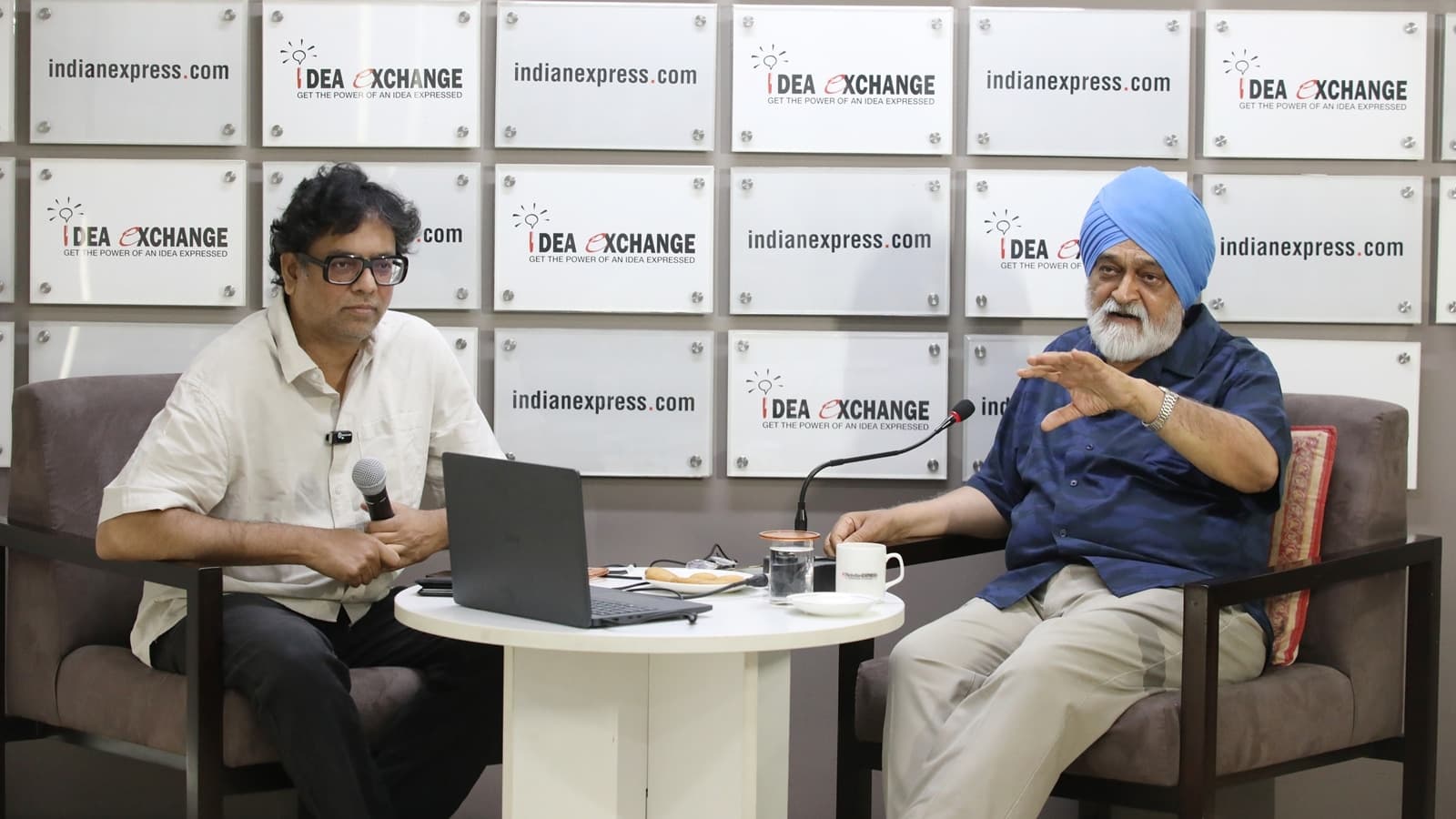
Montek Singh Ahluwalia highlights key economic challenges for India, emphasizing the need for a strategic approach to balance payments and investment.
Indian Express