
Image: Mint (Business)
A tragic bridge collapse in Delhi claimed one life but spared hundreds of students. This incident raises urgent safety concerns for local infrastructure.
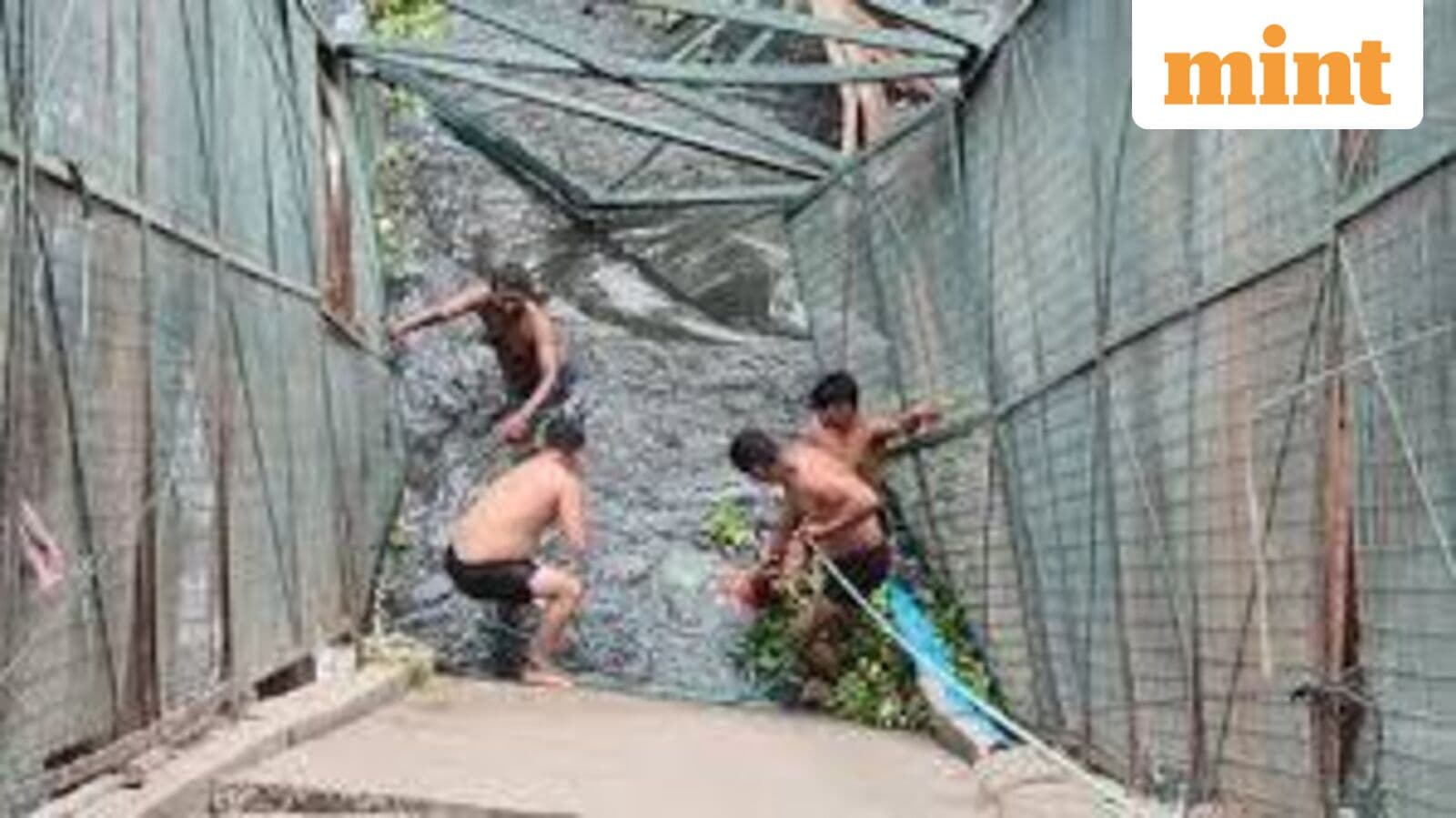
GlipzoA devastating incident unfolded in north Delhi’s Roop Nagar area when a 60-foot iron bridge collapsed, claiming the life of one woman while sparing potentially hundreds of students. This tragic event occurred around 9:30 AM on a day that could have been much worse, as local residents indicated that many schoolchildren typically cross the bridge during the morning rush to school.
Eyewitness accounts revealed that many students had already made it across the bridge before the collapse, highlighting a fortunate turn of events for those heading to four nearby government schools. A local woman recounted, "By that time, most students had already crossed the bridge to reach their schools, which has potentially saved hundreds from being on the structure when it collapsed."
Sadly, the collapse resulted in the death of a 50-year-old woman, believed to be a beggar, who was near the bridge's edge when it gave way. Rescue teams, including personnel from the Delhi Fire Service and the National Disaster Response Force, quickly responded to the scene, recovering her body from the drain below.
A resident emphasized the potential for tragedy, stating, "Had it collapsed even an hour earlier, the consequences could have been very deadly." This sentiment reflects the bridge's critical role, as it is heavily trafficked between 7 AM and 8:30 AM daily, which coincides with the start of school for many children in the area.
Authorities were aware of the bridge's precarious condition, having previously deemed it unsafe and closed it to the public. However, locals reported that the bridge remained in use due to a lack of viable alternative routes. This structure, which connects Gur Mandi to Roop Nagar, serves as an essential shortcut that reduces travel time by 30 minutes and distance by at least one kilometer for students heading to their schools.
Despite the installation of barricades to restrict access, many residents, including students, disregarded the warnings, relying on the bridge out of necessity. Zoya, a Class 8 student, shared her concerns about the bridge's stability prior to the collapse. She noted, "A portion of it had begun to sink and tilt to one side, especially from the direction where the water flows, making it uneven and unstable. We avoided holding the railing because the netting was torn."
Zoya's account was echoed by her peers, who described their daily crossings as anxiety-inducing. Students reported that the bridge would shake underfoot, forcing them to tread carefully. They expressed fears of falling, noting that the damaged railings provided little reassurance as they navigated the structure.
Residents credited the timing of the collapse with preventing a larger disaster. Images from the site depict the twisted and submerged debris of the iron bridge, illustrating the severity of the incident and the potential for greater loss had the timing been different.
In the aftermath, officials have vowed to investigate the collapse's cause thoroughly. A comprehensive inspection is planned to ascertain the bridge's condition and any underlying issues that led to this tragic event. The police have cordoned off the area to prevent further incidents and to facilitate the investigation.
Local authorities are also in discussions about the urgent need for a safe alternative route for commuters. Residents have expressed their frustration and concern, advocating for immediate action to prevent a recurrence of such a tragedy.
The collapse of this bridge has ignited a conversation about infrastructure safety and the urgent need for improvements in Delhi's transportation network. As investigations proceed, it is crucial for local authorities to assess not only the immediate needs for safety but also the long-term planning necessary to ensure that such incidents do not happen again.
The community is calling for stronger enforcement of safety regulations and a commitment to building reliable infrastructure that prioritizes the safety of its users, especially children. As the situation develops, residents will be watching closely to see how quickly action is taken to address these pressing concerns.
Why It Matters: This incident sheds light on the critical need for infrastructure assessments and improvements in urban areas. The safety of students and the community should always come first, and the tragic loss of life in this incident serves as a grim reminder of the potential consequences of neglecting public safety.
In the coming weeks, stakeholders must engage in proactive measures to ensure that safety standards are enforced and that residents are provided with safe, accessible routes for daily commutes, particularly for schoolchildren.
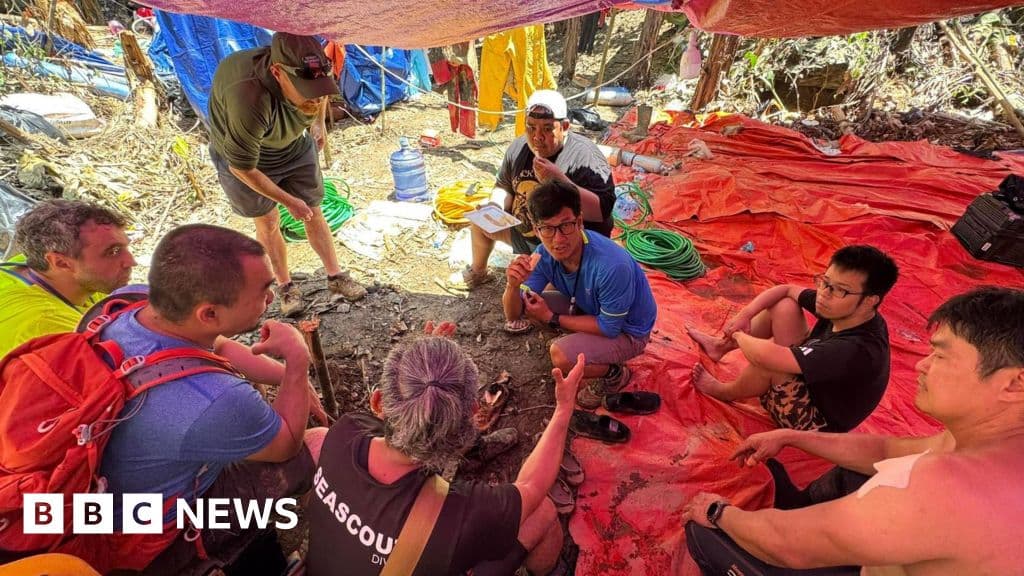
Survivors of the Laos cave rescue are aiding efforts to find the last two missing men trapped inside, sharing crucial insights for the search operation.
BBC World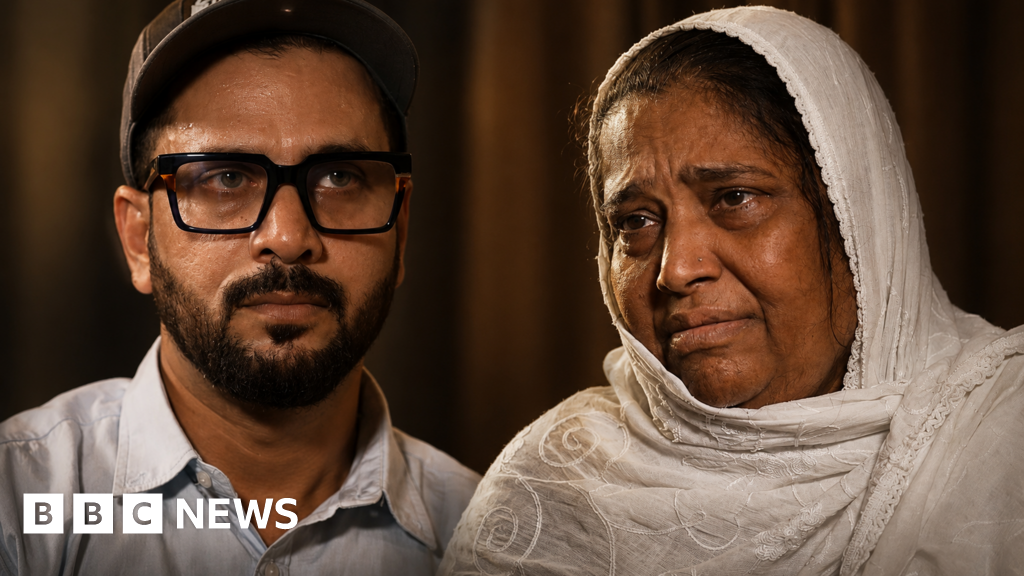
A year after the tragic Air India crash, the Ali family reflects on grief, unanswered questions, and the enduring bonds of love in the face of loss.
BBC Business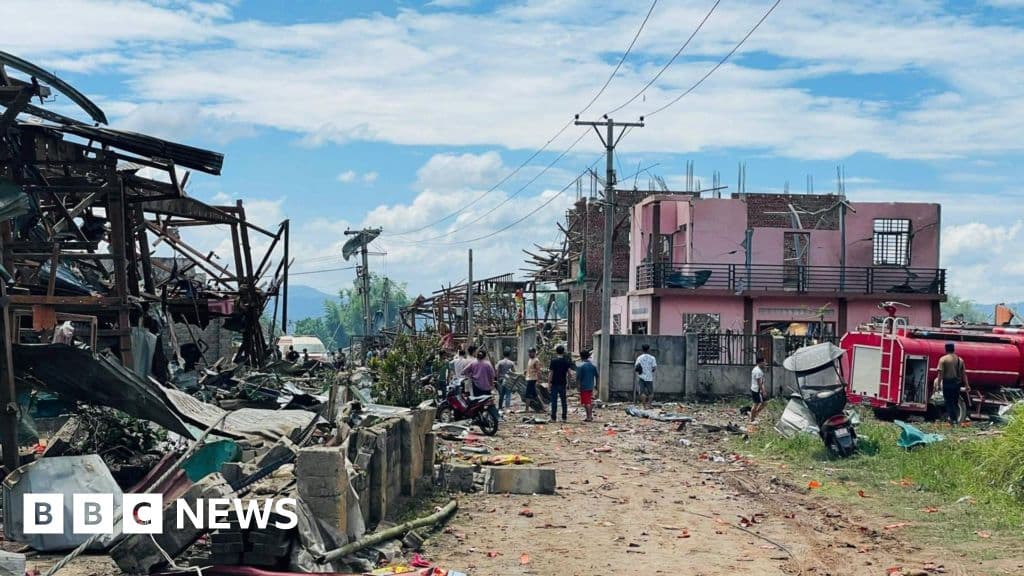
A devastating explosion in Myanmar's Kaung Tat village has killed at least 55 people, raising serious safety concerns and questions about civilian protection in conflict zones.
BBC World