
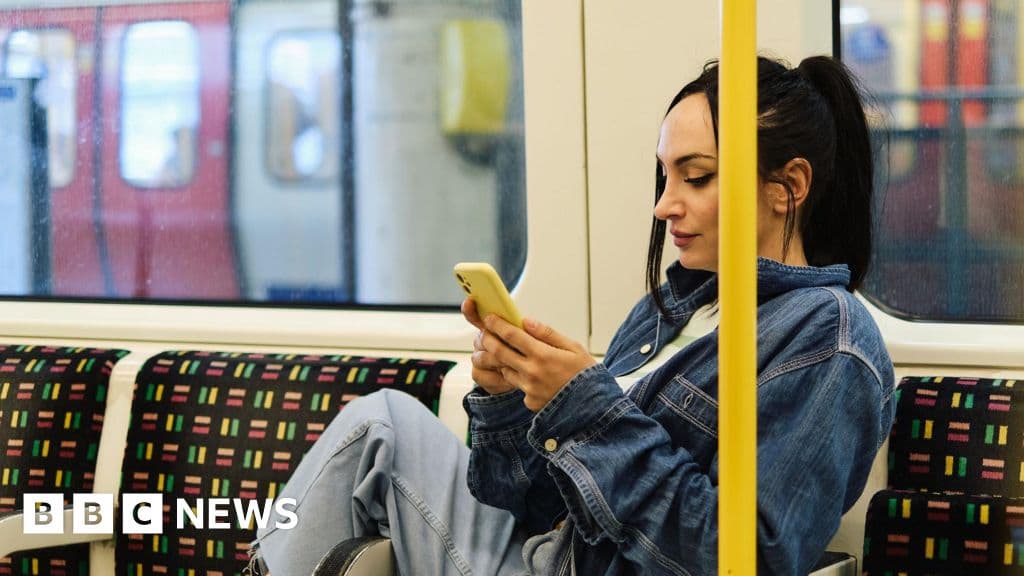
Image: BBC Technology
A significant decline in social media engagement among UK adults reveals concerns over privacy, digital fatigue, and a shift towards passive use. Discover the details.
GlipzoA significant change in social media usage among adults in the UK has emerged, revealing that fewer individuals are actively engaging on platforms like Instagram, Facebook, and X. According to Ofcom's latest report, the percentage of adults posting, commenting, or sharing content has plummeted from 61% in the previous year to just 49%. This trend indicates a growing preference for passive consumption of content rather than active participation.
Ofcom's findings highlight a notable shift towards what experts are calling "passive" social media use. As social media specialist Matt Navarra explains, this trend may stem from a desire for digital self-preservation. Users are increasingly gravitating towards smaller, more private online communities such as group chats and direct messages rather than public interactions on major platforms. Navarra states, "People haven't fallen out of love with social media; they've just become more intentional about how they interact with it."
This change is underlined by an increase in concerns about the potential repercussions of posting online. Many individuals now perceive their social media presence as less about self-expression and more like a liability. Navarra points out that “social media isn’t becoming less social; it’s becoming less public.”
Ofcom's insights come from their extensive Adults' Media Use and Attitudes survey, which seeks to understand evolving media habits in the UK. Conducted between September 29 and November 28 last year, the survey included responses from 7,533 adults aged 16 and older. Participants were asked about their social media usage, online news consumption, and perceptions of digital privacy, among other topics.
In addition to the decline in active posting, the survey revealed a surge in AI usage among UK adults, with the percentage of individuals using AI tools rising from 31% in 2024 to 54% in 2025. This trend is particularly pronounced among younger demographics, with 80% of 16-to-24-year-olds and 75% of 25-to-34-year-olds indicating they utilize AI technology.
For the first time, Ofcom's survey also delved into participants' feelings regarding their screen time. A substantial 67% of respondents admitted they sometimes spend too much time on their devices. This growing awareness of screen time might contribute to the shift towards less public social media engagement, as people seek a more balanced digital life.
Moreover, a separate report from Ofcom noted that UK adults now spend an average of 31 minutes longer online compared to their habits during the pandemic in 2021. This increase in time spent online could exacerbate feelings of fatigue and dissatisfaction with social media.
Participants in the survey expressed varying sentiments regarding their social media usage. One 25-year-old, identified as Brigit, remarked, "I rarely post now, which is ironic because I used to share everything, even what I had for dinner." This sentiment reflects a broader trend of changing priorities and behaviors in the digital sphere.
Dr. Ysabel Gerrard, a senior lecturer in digital media and society at the University of Sheffield, noted that some young adults are opting for dumb phones as they seek to escape the overwhelming nature of modern social media. She argues that the initial excitement of sharing updates and photos has diminished, making social media feel less engaging.
The Ofcom report also reveals a decrease in positive sentiment regarding online engagement. While 59% of respondents felt the benefits of being online outweighed the risks in 2025, this figure has decreased from 72% the previous year and 71% in 2023. Notably, the difference in attitudes between those who are highly active online and those who are less engaged is minimal, suggesting a widespread sense of disillusionment.
These findings come amid a rapidly evolving social media landscape characterized by the dominance of short-form video content. Platforms like Instagram and Facebook have shifted their focus from user-generated content to algorithm-driven video entertainment, where users are frequently exposed to content from unknown sources. This transition is exemplified by the rise of features like Reels, which Meta has promoted to compete with popular platforms such as TikTok.
Navarra emphasizes that social media feeds are now more about algorithmic content than connections with friends, stating, "Social feeds are no longer really about your friends; they are algorithmic, video-first entertainment platforms."
As the digital landscape continues to evolve, the implications of these findings are profound. The decline in active engagement among UK adults suggests a potential redefinition of how social media is used and perceived. Users seem to be prioritizing privacy and intentionality over public sharing, which may lead to the emergence of new platforms that cater to these needs.
Looking forward, it will be crucial to monitor how social media companies respond to these trends. Will they adapt to prioritize user privacy and meaningful engagement? Or will they continue to push for mass consumption of content? The answers to these questions will likely shape the future of social media in the UK and beyond.
In conclusion, the apparent decline in social media engagement among UK adults is a critical indicator of changing attitudes towards digital interaction, privacy concerns, and the balance of online and offline life. As society navigates these shifts, the conversation around social media will undoubtedly evolve, reflecting the complexities of modern communication.

Nvidia's new RTX Spark chip aims to transform personal computing with AI, marking a significant shift in technology. Discover what this means for consumers.
BBC Business
The explosion of Blue Origin's New Glenn rocket raises significant concerns over NASA's lunar ambitions and the future of Amazon's satellite projects. Discover the implications.
BBC Science
Discover how Meta's lack of engagement on user bans raises critical concerns about accountability and transparency in social media governance.
BBC Technology