

Image: Mint (Business)
Iran confirms the deaths of security chief Ali Larijani and Basij leader Gholamreza Soleimani in Israeli strikes, a pivotal moment in ongoing tensions.
GlipzoIn a significant escalation of conflict, Iran has confirmed the deaths of Ali Larijani, a top security official, and Gholamreza Soleimani, the commander of the Basij militia, following an overnight strike attributed to Israel. This tragic news, reported on March 17, marks a pivotal moment in the ongoing geopolitical tensions between Iran and its adversaries, particularly Israel.
The Supreme National Security Council of Iran expressed their grief, stating, "The pure souls of the martyrs embraced the purified soul of God's righteous servant, Martyr Dr. Ali Larijani." They further highlighted Larijani's lifelong commitment to advancing Iran and the Islamic Revolution, ultimately culminating in what they referred to as his "sweet grace of martyrdom." This statement underscores the high regard in which Larijani was held within the Iranian establishment.
Ali Larijani served as a crucial figure in Iran’s political landscape. He was not only a former parliamentary speaker but also a senior adviser who played an instrumental role in the country's nuclear negotiations. His influence surged following the reported death of Ali Khamenei, Iran's Supreme Leader, in an earlier airstrike. Moreover, the U.S. Treasury had sanctioned him for allegedly coordinating the crackdown on anti-government protests, emphasizing his controversial role in Iran’s internal politics.
The confirmation of Larijani's death aligns with earlier statements from Israeli officials. Israeli Defense Minister Israel Katz stated that both Larijani and Soleimani were eliminated in a targeted operation, which Israeli Prime Minister Benjamin Netanyahu claimed was part of a broader strategy to weaken Iran's leadership. Netanyahu remarked, "We are undermining this regime to give the Iranian people the opportunity to remove it."
The death of Gholamreza Soleimani, head of the Revolutionary Guard’s Basij force, further compounds the losses within Iran’s security structure. Soleimani had been a key figure in suppressing dissent and managing internal security, particularly during the widespread protests that erupted earlier this year against Iran’s theocratic government. His presence in Iran's military and political landscape had been a source of concern for Western nations, leading to sanctions from the United States and the European Union due to his involvement in human rights violations.
Earlier reports had already confirmed Soleimani's death, but the Iranian judiciary-linked Mizan news agency provided the first official acknowledgment of his passing. This dual confirmation reflects the significant toll the recent airstrikes have taken on Iran's leadership, raising questions about the future stability of the regime.
The deaths of these two prominent figures come at a critical time for Iran, which has been grappling with widespread unrest challenging its authority. As leaders heavily involved in the state's response to protests, their absence could create a power vacuum and destabilize Iran's approach to internal dissent. Critics argue that their removal might embolden protesters and lead to more significant challenges for the regime in the coming months.
In the midst of this turmoil, Iranian officials are likely to reassess their security strategies and may seek to bolster their defenses against potential external threats while also managing internal discord. The Iranian government’s next steps will be closely watched by analysts, as the implications of this loss extend beyond immediate military concerns.
As Iran navigates this turbulent period, it remains to be seen how the regime will adapt to the loss of key figures like Larijani and Soleimani. The Iranian government is likely to reinforce its security apparatus and may escalate its rhetoric against external threats, particularly from Israel and the United States.
In the coming weeks, analysts will be monitoring: - Iran's internal response to these deaths and how it may affect public sentiment. - The international community’s reaction to the escalated conflict, particularly from Western nations. - Potential shifts in Iran's military strategy and how it addresses both external threats and internal dissent.
The geopolitical landscape in the region is changing rapidly, and these events could have lasting implications for Iran's stability and its relationships with neighboring countries.
Stay tuned for more updates on this developing story as the situation unfolds.
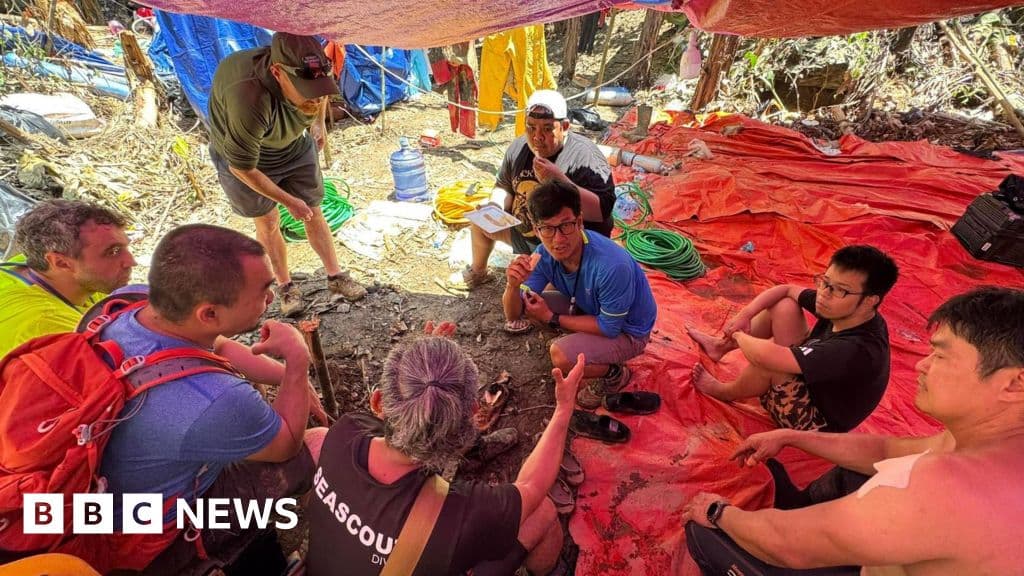
Survivors of the Laos cave rescue are aiding efforts to find the last two missing men trapped inside, sharing crucial insights for the search operation.
BBC World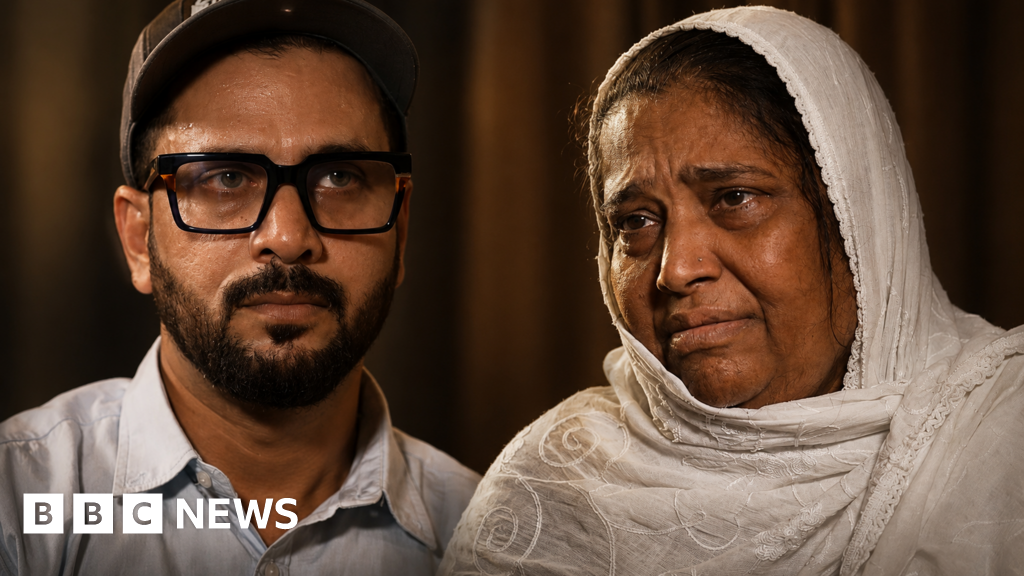
A year after the tragic Air India crash, the Ali family reflects on grief, unanswered questions, and the enduring bonds of love in the face of loss.
BBC Business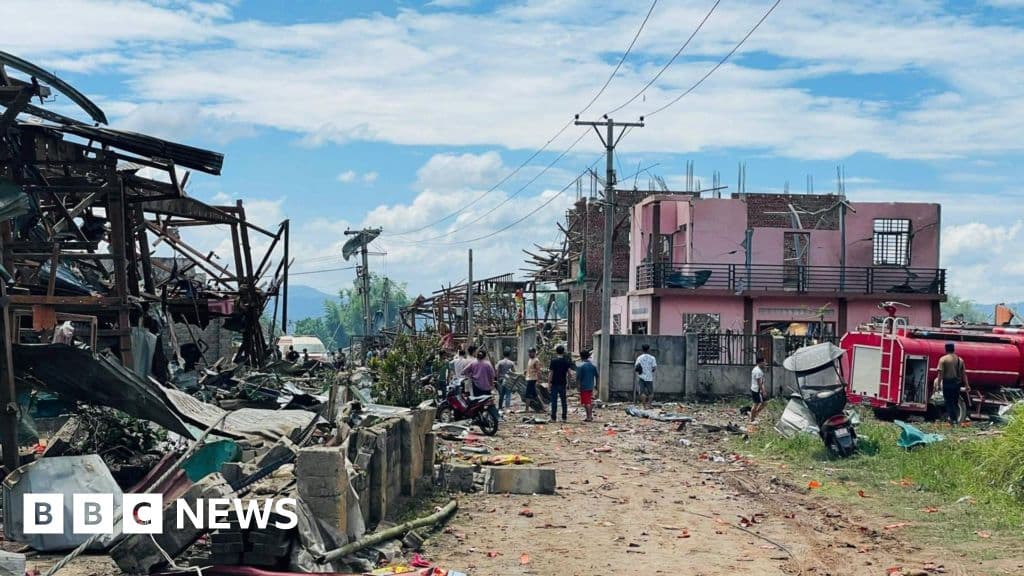
A devastating explosion in Myanmar's Kaung Tat village has killed at least 55 people, raising serious safety concerns and questions about civilian protection in conflict zones.
BBC World