
Image: BBC World
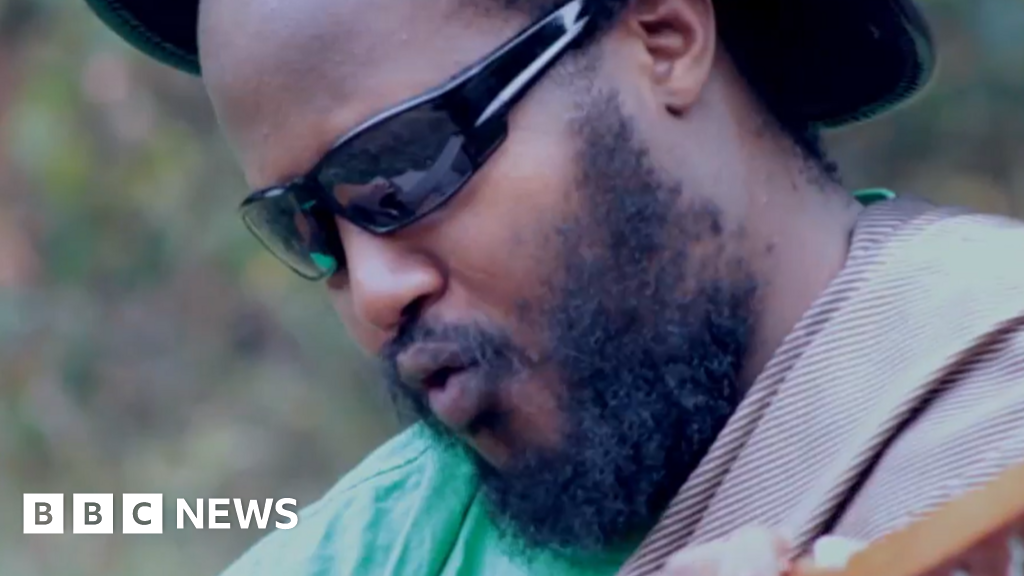
Aimable Karasira, a Rwandan singer and critic of the government, died during his prison release, raising suspicions and calls for an independent investigation.
GlipzoThe entertainment world and human rights advocates are reeling from the sudden death of Aimable Karasira, a notable Rwandan musician, who passed away on October 4, 2023, during his release from prison in Kigali. The Rwanda Correctional Service (RCS) confirmed that he died at Nyarugenge Hospital shortly after allegedly overdosing on prescription medication.
Karasira, who was 48 years old, had a tumultuous relationship with the Rwandan government due to his outspoken nature and critical stance against the ruling Rwandan Patriotic Front (RPF) party. His music often served as a platform for dissent, particularly in relation to the 1994 Rwandan genocide, a subject he approached with sensitivity and personal experience, having lost family members during the horrific events.
According to RCS spokesperson Hillary Sengabo, Karasira had been suffering from multiple health issues, including diabetes, high blood pressure, and deteriorating mental health. Sengabo indicated that a post-mortem examination would be conducted to clarify the circumstances surrounding his death.
Reports suggest that Karasira was being escorted out of prison around 2:00 PM when he consumed another dose of his medication. Although prison officials attempted to intervene, it was reportedly too late, leading to his tragic demise. However, the sudden nature of his death has prompted skepticism among critics of the government, with calls for an independent investigation into the circumstances surrounding it.
Human rights activists and government critics have raised alarms about the circumstances of Karasira's death, with many calling it suspicious. Denise Zaneza, a Rwandan human rights advocate based in Belgium, expressed her concerns on social media, stating, "After years of persecution and imprisonment, the authorities announce your death just as you were supposed to regain your freedom." Her sentiments echo the fears of many who see a troubling pattern in the treatment of dissenters in Rwanda.
Zaneza emphasized the need for an independent and transparent investigation, citing Rwanda's troubling history of repression, suspicious deaths, and mistreatment of political critics. She also drew parallels to the case of Kizito Mihigo, a gospel singer who was found dead in prison in 2020, raising further questions about the safety and treatment of vocal dissenters in the nation.
Karasira was not only a musician but also a lecturer in computer science at the University of Rwanda before his dismissal, which the university attributed to disciplinary issues rather than his political views. His YouTube channel, titled "Ukuri Mbona" or “The Truth As I See It,” was a platform where he articulated his critiques of the government and shared his personal experiences related to the genocide.
His music and public statements resonated with many Rwandans who felt their voices were stifled. His death has ignited discussions about the safety of artists and activists in the country, especially those who challenge the official narratives. Zaneza poignantly remembered him as a courageous figure, stating, "You lost your freedom simply for expressing your pain and demanding recognition for your family's suffering."
Rwanda's history is intricate and painful, particularly concerning the 1994 genocide where approximately 800,000 people were killed in a span of 100 days. The RPF, which was formed to combat the Hutu-led government responsible for this atrocity, is now led by Paul Kagame, who has been in power since 2000. Critics argue that the government maintains a tight grip on dissent, discouraging discussions about ethnicity in favor of promoting a unified national identity.
In light of Karasira's untimely death, various organizations, including Human Rights Watch, have called upon Rwandan authorities to investigate the suspicious deaths and disappearances of critics and civil society actors. The international community is watching closely as calls for accountability grow louder.
As the fallout from Aimable Karasira's death continues to unfold, it is essential to monitor the responses from both the Rwandan government and international human rights organizations. The calls for an independent investigation into his death could pave the way for greater scrutiny of how dissenters are treated in the country.
The immediate future will likely see increased pressure on the Rwandan government to address concerns regarding human rights violations and the treatment of political prisoners. Activists hope that this tragic incident will catalyze a broader movement for justice and accountability in Rwanda, shedding light on the struggles faced by those who dare to speak out against the regime.
Karasira's legacy as a voice for the voiceless may inspire others to continue the fight for freedom of expression and human rights in Rwanda, a nation still grappling with its painful past and the complexities of its present.
The death of Aimable Karasira serves as a stark reminder of the risks faced by those who challenge authority in Rwanda. As the nation mourns the loss of this talented musician and outspoken critic, it remains to be seen how the government will respond to the calls for accountability and transparency in the wake of this tragedy. The hope is that his legacy will not be forgotten, but rather fuel a movement toward greater freedoms in Rwanda.
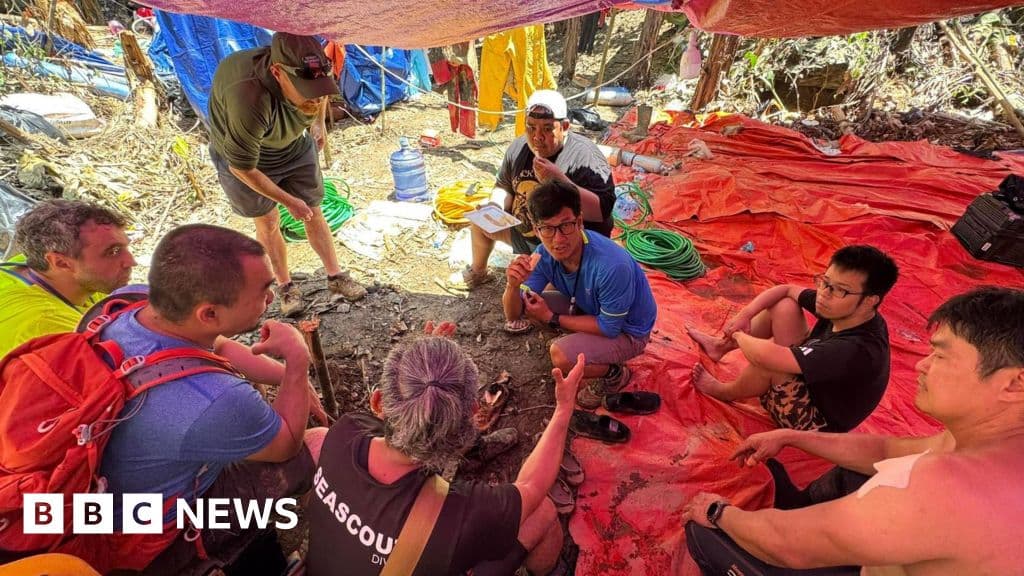
Survivors of the Laos cave rescue are aiding efforts to find the last two missing men trapped inside, sharing crucial insights for the search operation.
BBC World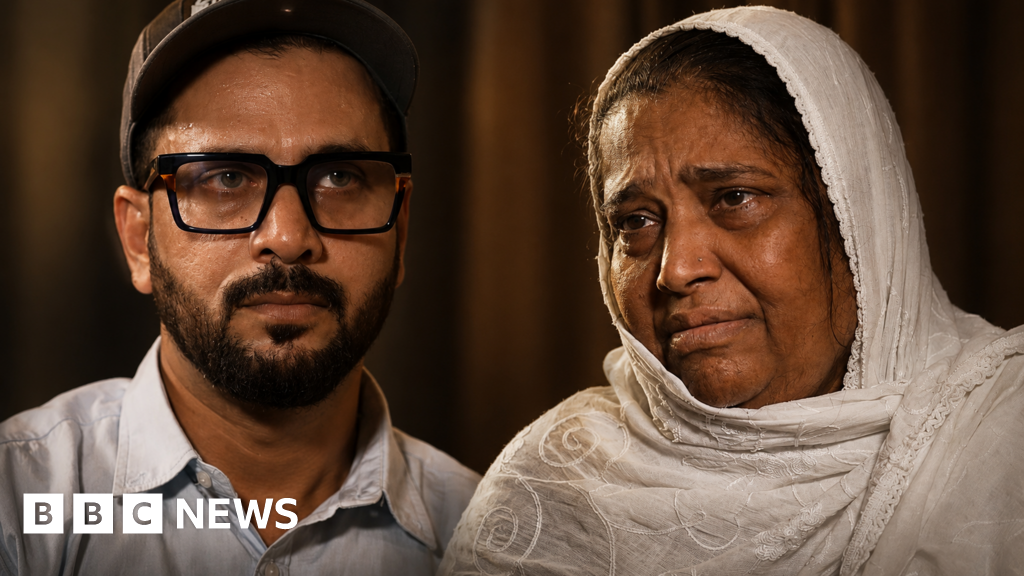
A year after the tragic Air India crash, the Ali family reflects on grief, unanswered questions, and the enduring bonds of love in the face of loss.
BBC Business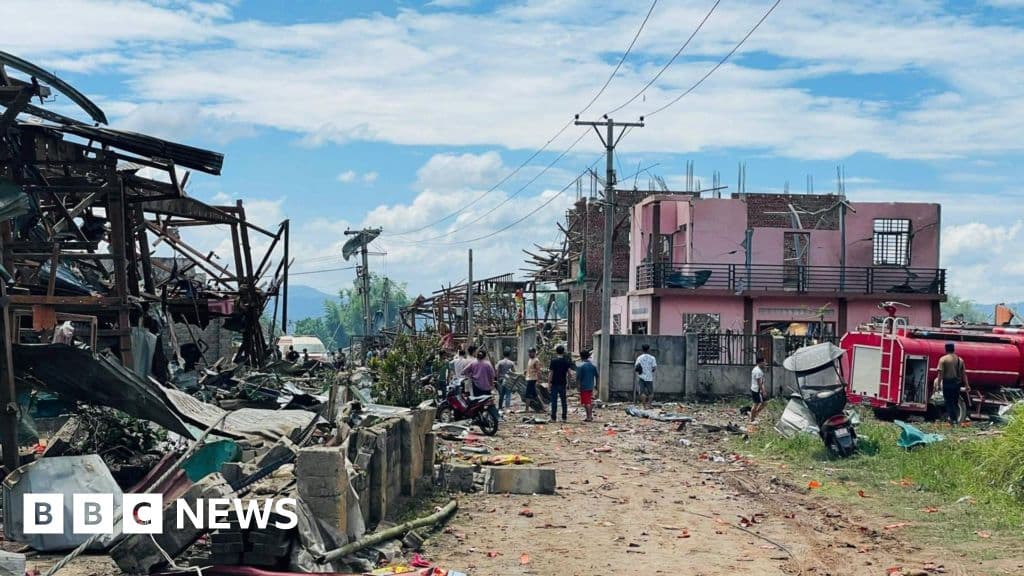
A devastating explosion in Myanmar's Kaung Tat village has killed at least 55 people, raising serious safety concerns and questions about civilian protection in conflict zones.
BBC World