
Image: Mint (Business)
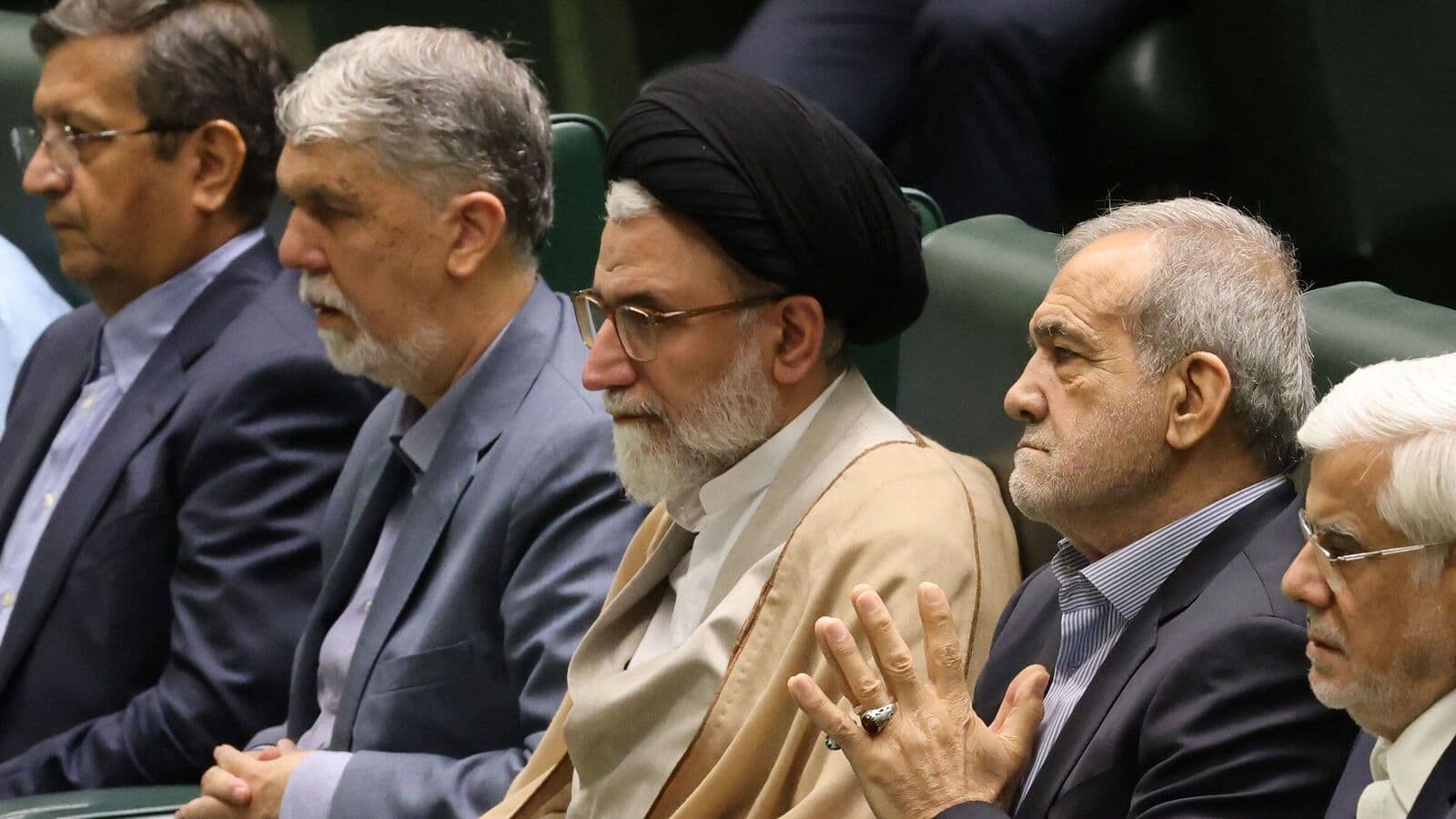
Iran's Intel Minister Esmail Khatib was killed in a shocking Israeli strike, raising tensions in the Middle East. What does this mean for the future?
GlipzoOn Wednesday, Iran confirmed the shocking death of its Intelligence Minister Esmail Khatib. The announcement was made by Iranian President Masoud Pezeshkian, who described the event as a "cowardly assassination" that has plunged the nation into mourning. In a heartfelt post on X, Pezeshkian mourned not only Khatib but also other officials, stating that their loss would be deeply felt by the Iranian people.
He expressed his condolences, saying, "The cowardly assassination of my dear colleagues Esmail Khatib, Ali Larijani, and Aziz Nasirzadeh, alongside some of their family members and accompanying team, has left us in deep mourning." The president emphasized that these figures were martyrs for their country, and he reaffirmed their commitment to continue their work with even greater resolve.
Khatib's death occurred just a day after the assassination of another significant figure, Ali Larijani, Iran's security chief. This rapid succession of high-profile killings has raised alarms about the escalating tensions between Israel and Iran. The Israeli military has claimed responsibility for these targeted strikes, asserting that it has been given the green light to eliminate any senior official of the Islamic Republic it identifies as a threat.
In a statement, the Israel Defense Forces (IDF) described Khatib as a key player in suppressing dissent within Iran, particularly during the Mahsa Amini protests that swept the nation from 2022 to 2023. The IDF stated, "Esmaeil Khatib, the Iranian terrorist regime Minister of Intelligence, was killed in a targeted strike in Tehran." They further accused him of orchestrating operations against both Israeli and American interests globally.
Esmail Khatib was appointed as Iran’s Intelligence Minister in August 2021, under former president Ebrahim Raisi. His tenure was marked by a focus on internal security, intelligence operations, and counter-espionage activities, which made him a prominent figure in Iran’s hardline security establishment.
Khatib was known for his strong ties to the Iranian leadership, especially to Supreme Leader Ali Khamenei. His influence extended beyond domestic affairs; he was also sanctioned by the United States in 2022 for allegedly engaging in cyber operations against U.S. entities and allies. This background positions him as a central player in the ongoing conflict between Iran and Western nations.
Following the assassination of Khatib, Israel's Defence Minister Israel Katz announced that he and Prime Minister Benjamin Netanyahu have empowered the IDF to eliminate any senior Iranian official considered a threat. Katz remarked, "We will continue to thwart them and to hunt them all down." This declaration underscores Israel's commitment to intensifying its military operations against Iran amid rising regional tensions.
Israel has also hinted at a broader objective, stating its intention to target Iran's new supreme leader, Mojtaba Khamenei, who has remained out of the public eye since succeeding his father. The situation is becoming increasingly precarious, and it raises questions about the future of Iran's political landscape and security apparatus.
The assassination of Khatib and his colleagues sends a clear message about the changing dynamics in the region. With both the U.S. and Israel ramping up their military efforts against Iran, the stakes have never been higher. The ongoing conflict, which escalated following the attack on February 28 that resulted in the death of Supreme Leader Ayatollah Ali Khamenei, is characterized by a series of high-profile killings and military actions.
Khatib's death may lead to further retaliatory actions from Iran, which could escalate tensions even further. The Iranian government is likely to respond with increased military posturing and possibly even retaliatory strikes against perceived enemies.
As the situation evolves, observers should keep an eye on several key factors: - Iran's Response: How will Iran retaliate to these targeted killings? Will there be immediate military action or a shift in internal security strategies? - Regional Alliances: The implications of Khatib's assassination on Iran's relationships with allies in the region. - Global Reactions: How will the international community respond to Israel's aggressive military strategy, and what impact will it have on diplomatic relations?
In conclusion, the assassination of Esmail Khatib marks a pivotal moment in the ongoing conflict between Iran and Israel. As both nations navigate this perilous landscape, the potential for further escalation remains high, and all eyes will be on the next steps taken by both sides.
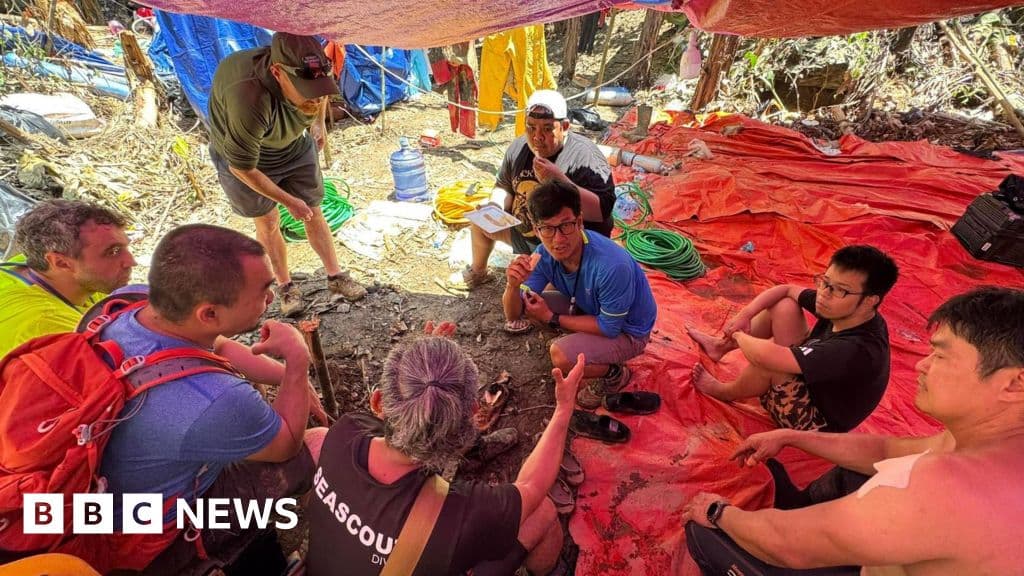
Survivors of the Laos cave rescue are aiding efforts to find the last two missing men trapped inside, sharing crucial insights for the search operation.
BBC World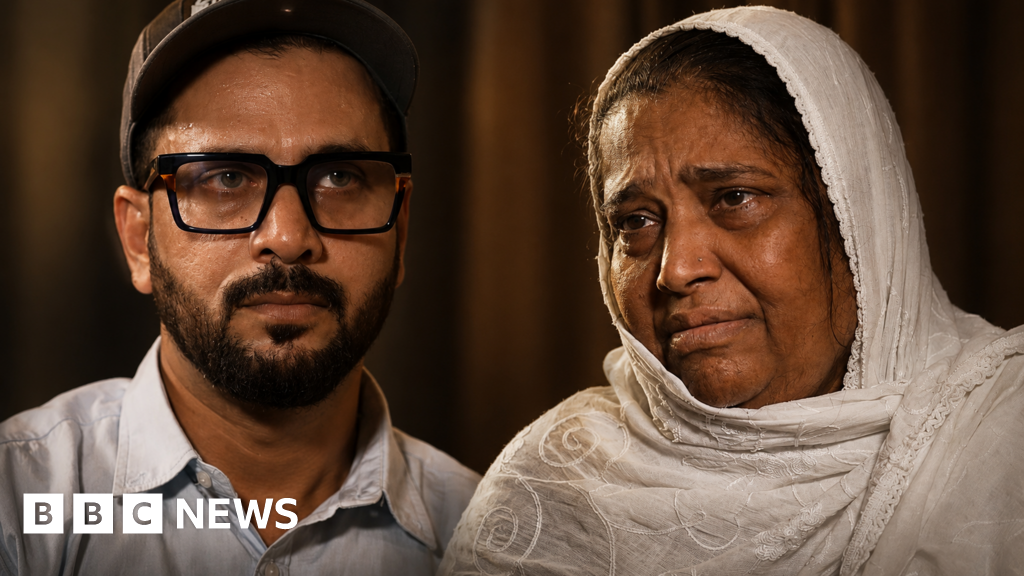
A year after the tragic Air India crash, the Ali family reflects on grief, unanswered questions, and the enduring bonds of love in the face of loss.
BBC Business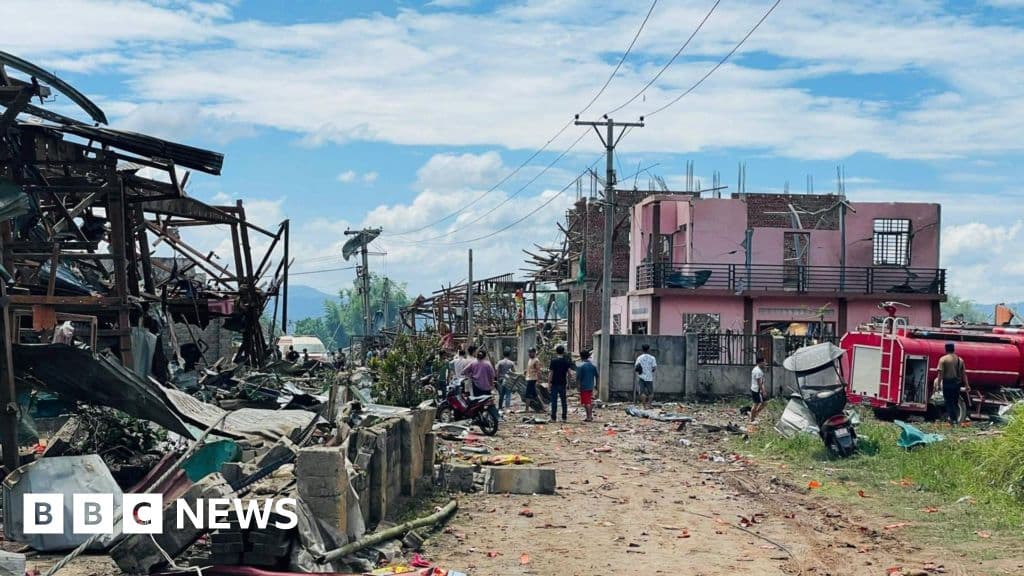
A devastating explosion in Myanmar's Kaung Tat village has killed at least 55 people, raising serious safety concerns and questions about civilian protection in conflict zones.
BBC World