
Image: BBC World
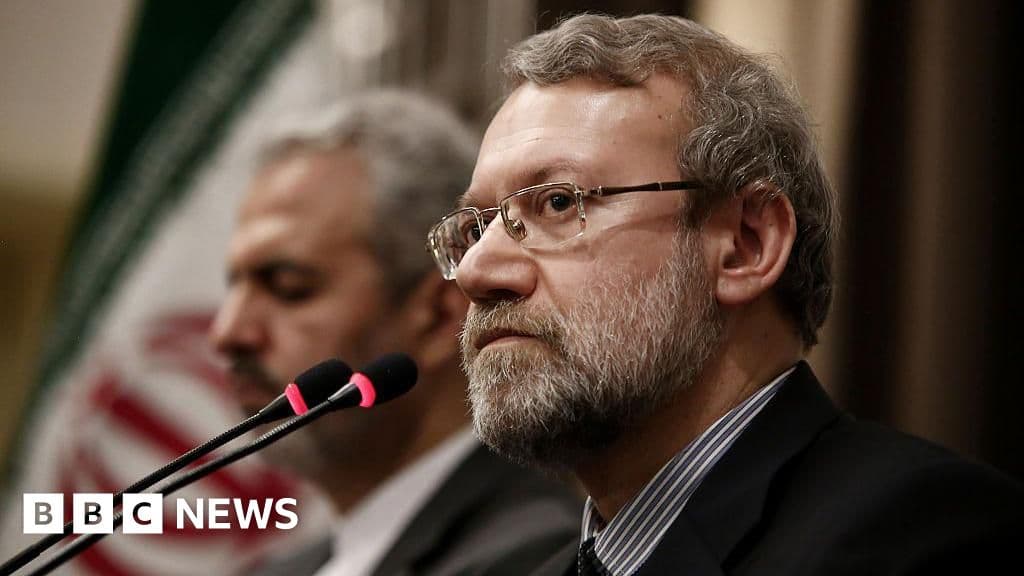
The death of Iran's Ali Larijani intensifies the leadership crisis amid escalating war and domestic unrest. What does this mean for Iran's future?
GlipzoLarijani’s death, confirmed by state media, follows closely on the heels of the February 28 assassination of Supreme Leader Ali Khamenei. This timing is alarming, as it indicates a concerted effort to destabilize Iran’s leadership structure during a crucial wartime period. Larijani’s influence in decision-making regarding the nation's confrontations was not just substantial; it was essential.
At the time of his untimely death, Larijani was grappling with three major crises that highlighted his importance in Iran's governance. These crises included: - The ongoing war, where he advocated for a prolonged conflict and suggested expanding military actions throughout the region, even considering the closure of the Strait of Hormuz. - Domestic unrest, which had escalated from economic grievances to widespread protests against the ruling regime, leading to violent crackdowns that resulted in thousands of civilian casualties. - Iran's nuclear program, which faced stalled negotiations with the U.S. amid military strikes disrupting diplomatic efforts.
The current situation may also see a shift in power dynamics, potentially favoring military leaders. Recent comments from President Masoud Pezeshkian suggest that military units may have been granted broader authority to act independently during this leadership crisis. This could lead to quicker, albeit less coordinated, decision-making processes as the military steps into a larger role in governance.
In the immediate aftermath of Larijani's death, observers can expect an escalation in both military engagement abroad and repression of dissent at home. The current leadership's struggle to maintain stability amidst these upheavals could lead to a more volatile situation in Iran.
In conclusion, while Larijani's legacy may be debated, his absence is sure to be felt profoundly in Iranian politics. The next few months will be critical as the new leadership navigates the complex landscape, with potential shifts in military and domestic policies. Observers should watch for how these changes will shape Iran's future, both in terms of international relations and internal governance. The stakes have never been higher for a nation grappling with both external threats and internal strife.
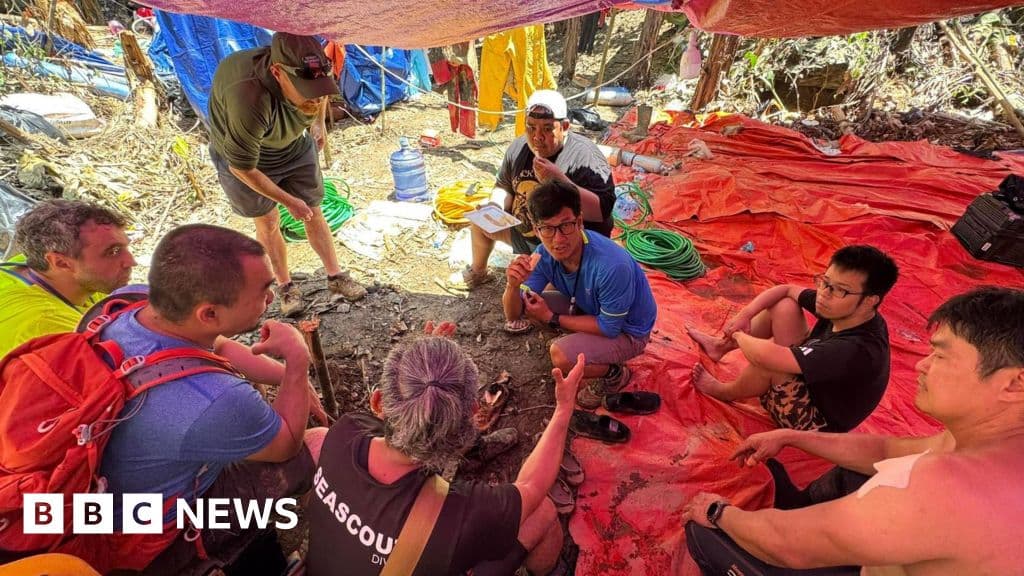
Survivors of the Laos cave rescue are aiding efforts to find the last two missing men trapped inside, sharing crucial insights for the search operation.
BBC World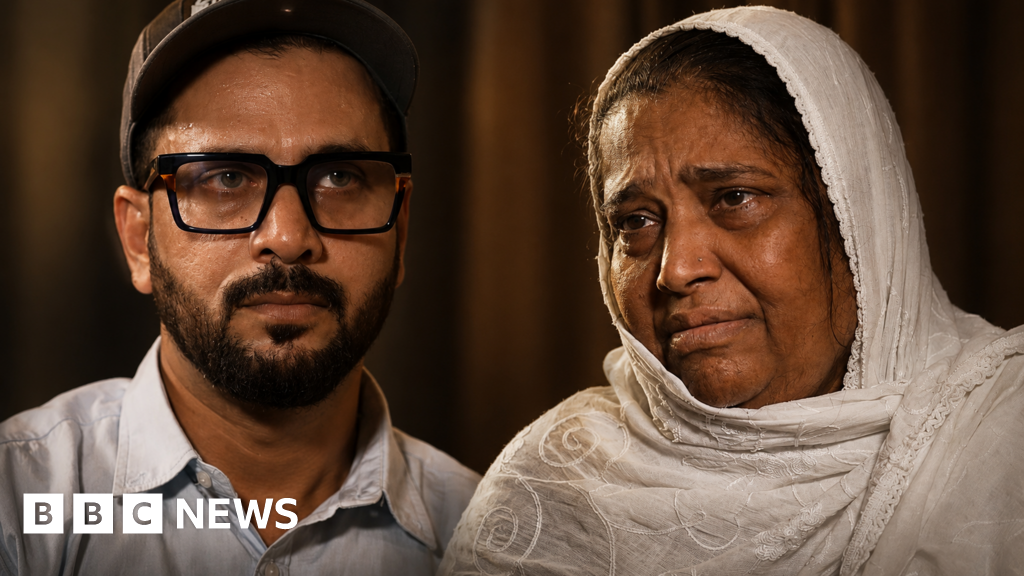
A year after the tragic Air India crash, the Ali family reflects on grief, unanswered questions, and the enduring bonds of love in the face of loss.
BBC Business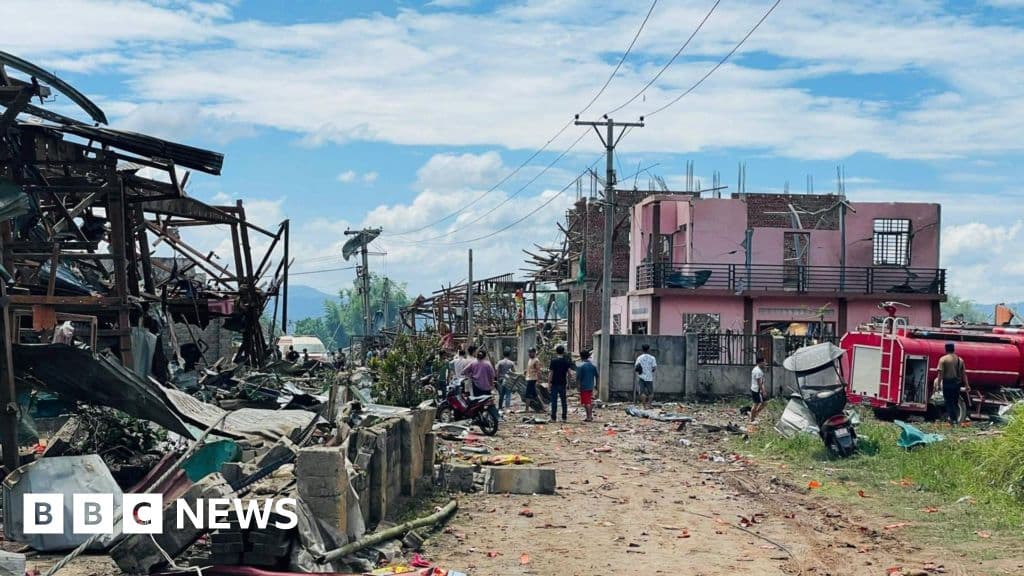
A devastating explosion in Myanmar's Kaung Tat village has killed at least 55 people, raising serious safety concerns and questions about civilian protection in conflict zones.
BBC World