

Image: The Hindu
Shocking data reveals nearly 2,500 children have died from military strikes since 1996. Discover the tragic consequences of war and what can be done.
GlipzoRecent reports have unveiled a harrowing reality: close to 2,500 children have tragically lost their lives due to external military attacks between 1996 and 2026. This alarming statistic, which highlights the severe consequences of armed conflict, serves as a stark reminder of the innocent lives affected by geopolitical tensions. One particularly devastating incident occurred on February 28th, when a missile strike hit the Shajareh Tayyebeh school in Minab, Iran, resulting in the deaths of 168 children aged between seven and 12. As the community grappled with the aftermath, it became painfully clear that children are often the most vulnerable victims in these violent confrontations.
The missile responsible for this tragedy, believed to be a U.S. Tomahawk cruise missile, was part of a broader military operation involving the United States and Israel against Iranian targets. While U.S. President Donald Trump initially suggested that Iran might be to blame—despite the country lacking Tomahawk missiles—subsequent investigations indicated that outdated targeting data from U.S. forces was likely the cause of this catastrophic error. The Pentagon has since escalated its probe into the incident, and the United Nations is also conducting an inquiry to assess the circumstances surrounding the attack.
The tragedy in Minab is not an isolated incident; it reflects a disturbing trend in which children disproportionately suffer in military conflicts. The ongoing airstrikes carried out by Israel in Lebanon since March 2 have also resulted in the deaths of more than 100 children. Reports from the region suggest that these strikes have the potential to obliterate entire generations of families, with the death toll rising at an alarming rate. This escalation in violence underscores the urgent need for international scrutiny and intervention to protect vulnerable populations, especially children, during wartime.
A comprehensive analysis by The Hindu revealed that U.S. and Israeli forces accounted for approximately 62% of all external attacks resulting in child fatalities since 1996. This statistic encompasses military actions that take place on foreign soil, illustrating how foreign interventions often lead to devastating consequences for local civilians, particularly children. The data compiled from the Armed Conflict Location and Event Data Project shows that while there have been over 66,000 recorded events of external attacks that resulted in fatalities, nearly 4% of these attacks have led to at least one child losing their life.
Of the reported cases, a staggering 2,500 attacks have resulted in child fatalities over the span of three decades—a figure that highlights the tragic toll war takes on the youngest and most innocent. A closer examination of these figures indicates that approximately 41% of all external attacks linked to child fatalities can be traced back to Israeli military actions. This means that one in every nine lethal attacks (or 11%) launched by Israel since 1996 has resulted in the death of at least one child.
Such statistics reveal a shocking reality: no other nation has recorded child fatalities from military attacks at such an alarming rate as Israel. The data reflects the severity of violence faced by children in regions like Gaza and the West Bank, where tragic incidents include children being killed while receiving humanitarian aid, during airstrikes, and within refugee camps. These findings underscore the need for a renewed commitment to protecting vulnerable populations caught in the crossfire of geopolitical conflicts.
The implications of these statistics extend far beyond mere numbers; they represent the lives of innocent children who have been caught in the turmoil of adult conflicts. As the data continues to emerge, it highlights the urgent necessity for governments and international organizations to prioritize the protection of children during conflicts. The responsibility lies not only with military forces but also with global leaders to enact policies that safeguard the rights and lives of the youngest and most vulnerable.
The tragic events in Minab and Lebanon are a clarion call for action, prompting discussions about accountability and the ethical responsibilities of nations engaged in military operations. As the investigations unfold, it is critical for the international community to engage in meaningful dialogue and take decisive steps to mitigate the impact of warfare on civilian populations.
As we reflect on the devastating impact of military interventions on children, it is imperative to advocate for a future where such tragedies are no longer commonplace. Efforts must be made to strengthen international laws that protect civilians during armed conflicts, especially children.
Moving forward, attention should be focused on: - Increasing awareness of the impact of military actions on children. - Promoting humanitarian aid initiatives that prioritize child safety and well-being. - Encouraging diplomatic solutions to conflicts to prevent escalation and loss of innocent lives.
The ongoing situation demands vigilance from the global community to ensure that the lessons learned from these tragedies pave the way for a more compassionate and peaceful world.
In conclusion, the heart-wrenching statistics reveal the urgent need for change in how military interventions are conducted, particularly regarding the protection of children. As the investigations into recent attacks unfold, the world must remain aware and work collectively to ensure that future generations do not bear the brunt of adult conflicts.
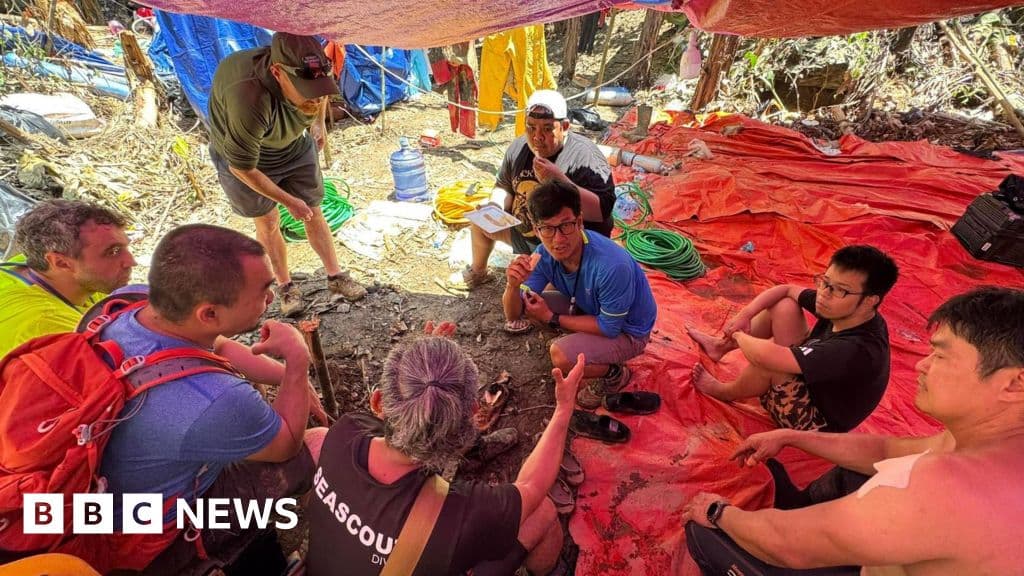
Survivors of the Laos cave rescue are aiding efforts to find the last two missing men trapped inside, sharing crucial insights for the search operation.
BBC World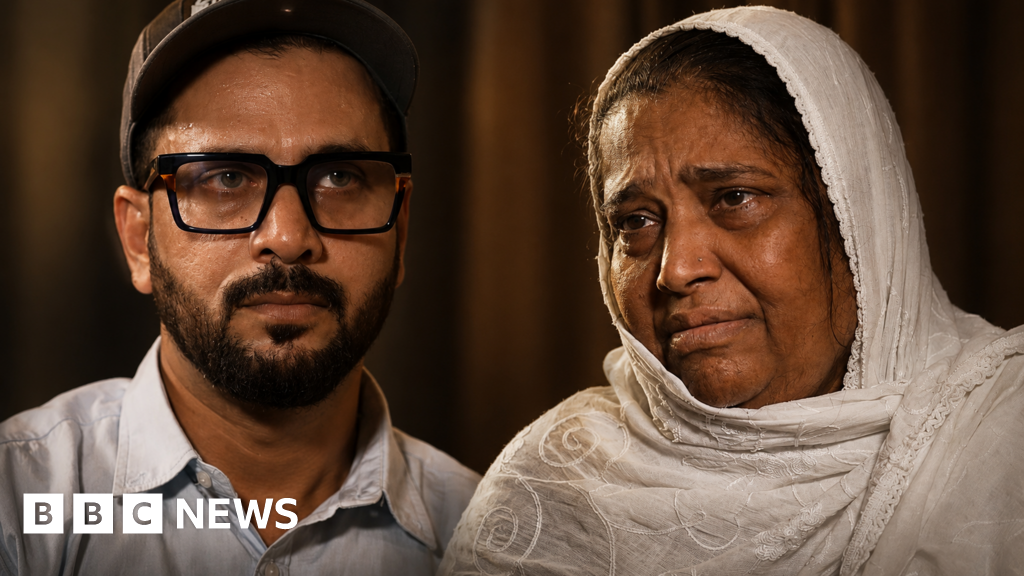
A year after the tragic Air India crash, the Ali family reflects on grief, unanswered questions, and the enduring bonds of love in the face of loss.
BBC Business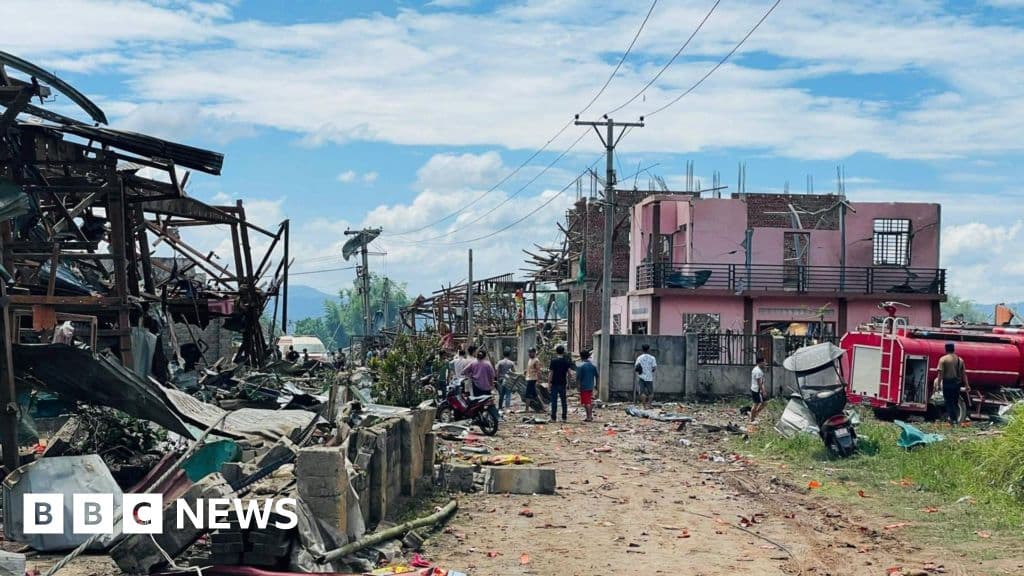
A devastating explosion in Myanmar's Kaung Tat village has killed at least 55 people, raising serious safety concerns and questions about civilian protection in conflict zones.
BBC World