
Image: BBC World
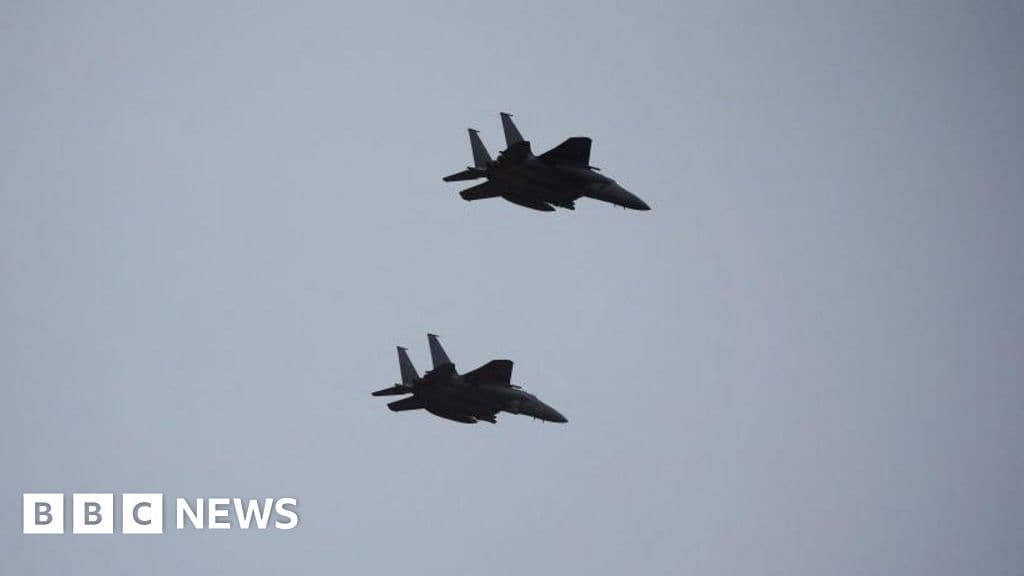
Discover the shocking truth behind the mid-air collision of two South Korean fighter jets caused by pilots taking selfies during a mission.
GlipzoA 2021 mid-air collision involving two South Korean fighter jets has come under scrutiny, revealing that the incident was caused by pilots taking pictures during a flight mission. According to a report released on Wednesday by Seoul's Board of Audit and Inspection, the incident occurred while the jets were flying over Daegu, a central city in South Korea.
The F-15K jets collided during the mission, and while the pilots escaped unscathed, the military faced substantial repair costs amounting to 880 million won (approximately $596,000 or £440,500). One of the pilots, who subsequently left the military for a civilian role, was fined 88 million won for his involvement in the mishap.
The incident reportedly stemmed from a desire to capture memories of the flight. The pilot of the wingman aircraft had expressed his intention to take photos during a pre-flight briefing, as this practice was common among pilots at the time. During the mission, he began using his personal mobile phone to snap pictures while following the lead aircraft.
As the wingman pilot began taking photos, the pilot of the lead aircraft decided to engage in the filming as well, asking another crew member to record a video of the wingman maneuvering. In a bid to provide a better angle for the camera, the wingman pilot executed a sudden ascent and a flip maneuver, inadvertently bringing the jets dangerously close together.
In an effort to avoid a crash, the lead aircraft attempted a rapid descent. However, the two jets ultimately collided, resulting in damage to the lead aircraft's left wing and the wingman's tail stabilizer. Following the incident, the South Korean Air Force took immediate action, suspending the wingman pilot, who later transitioned to a commercial airline career.
The military then sought to impose a hefty fine of 880 million won on the wingman pilot to recover the full cost of repairs. However, when the pilot contested this fine, it sparked an investigation by the audit board.
The audit board's investigation concluded that the wingman pilot's abrupt maneuver was indeed the cause of the collision. However, he argued that the pilot of the lead aircraft had given tacit consent to his actions, as he was aware that the wingman was filming. Ultimately, the board ruled that the pilot should only be responsible for a fraction of the repairs, a mere 10% of the total costs.
The report indicated that the military bore some responsibility for failing to regulate the personal use of cameras among pilots adequately. This finding raises important questions about the protocols in place within the South Korean Air Force regarding pilot conduct during missions.
The audit report did not specify whether any disciplinary actions would be taken against the other pilots involved in the incident. Nonetheless, the findings highlight the potential dangers of distractions in military aviation. As technology continues to evolve, the integration of personal devices in operational settings must be addressed to ensure pilot safety and prevent future incidents.
This incident serves as a critical reminder of the risks associated with multitasking in high-stakes environments, such as military aviation. The South Korean Air Force's handling of the situation will likely influence future regulations regarding the use of personal devices by pilots. Moreover, the case underscores the need for continuous training and clear guidelines to ensure that safety remains the top priority during flight missions.
As the South Korean Air Force evaluates its protocols following this incident, military authorities may implement stricter guidelines concerning personal camera use during missions. It remains to be seen whether further investigations will lead to broader reforms in pilot training or operational procedures to mitigate distractions during flights. Watch for updates on how these new measures will shape the future of military aviation in South Korea and potentially influence practices in other countries as well.
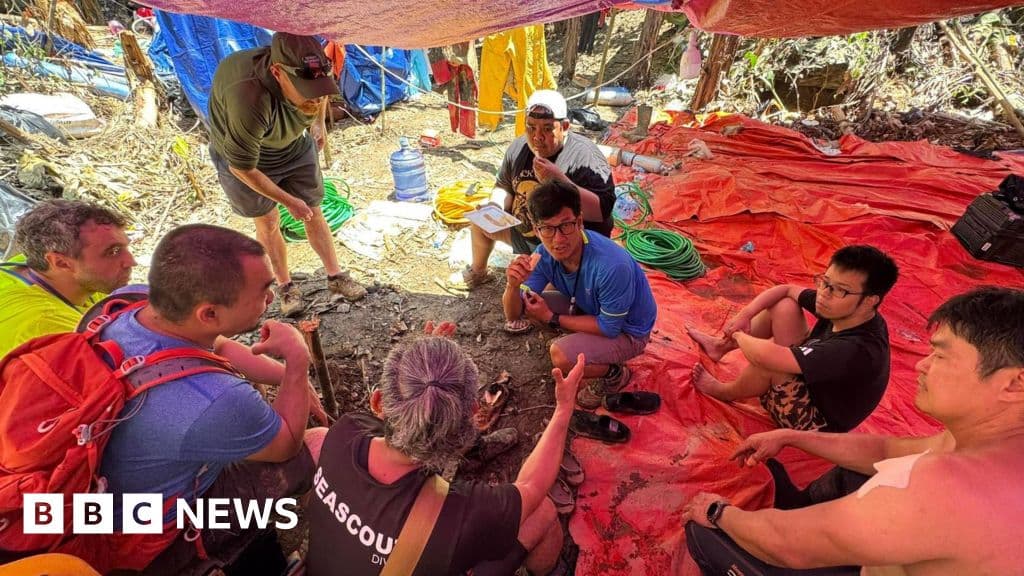
Survivors of the Laos cave rescue are aiding efforts to find the last two missing men trapped inside, sharing crucial insights for the search operation.
BBC World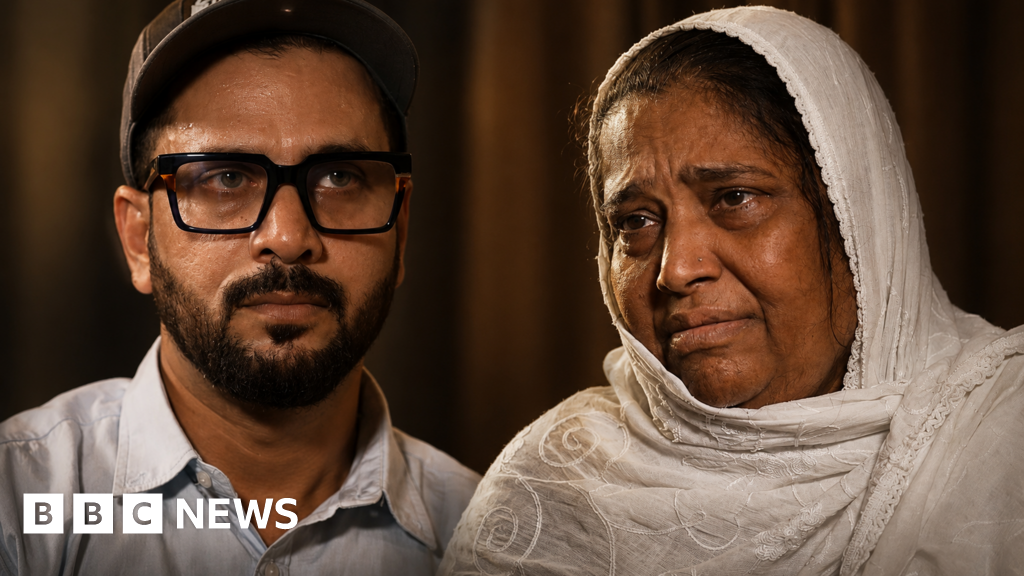
A year after the tragic Air India crash, the Ali family reflects on grief, unanswered questions, and the enduring bonds of love in the face of loss.
BBC Business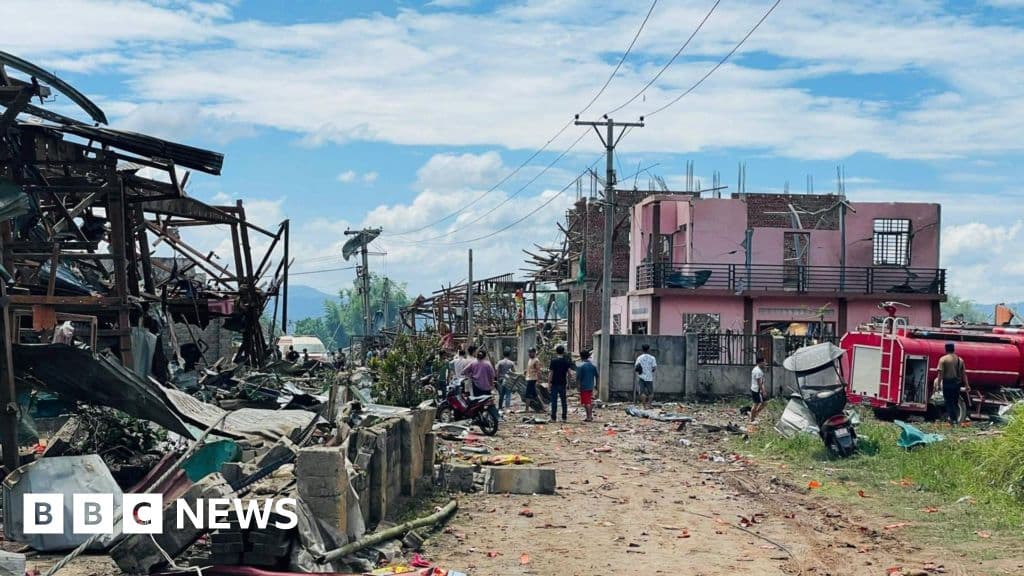
A devastating explosion in Myanmar's Kaung Tat village has killed at least 55 people, raising serious safety concerns and questions about civilian protection in conflict zones.
BBC World