

Image: Mint (Business)
Discover the shocking aftermath of targeted strikes in Iran, where key leaders have been killed and military power is on the rise. Who will lead next?
GlipzoIn a shocking turn of events, Iran's political landscape has been dramatically altered following a series of targeted assassinations of high-ranking officials. Key figures such as security chief Ali Larijani and Basij commander Gholamreza Soleimani have been killed, leaving the nation in a state of uncertainty. Adding to the unrest, the newly appointed Supreme Leader Mojtaba Khamenei has gone silent, prompting questions about who truly wields power in the country.
This upheaval not only highlights the fragility of Iran's political structure but also the growing dominance of the Islamic Revolutionary Guard Corps (IRGC) in shaping the nation’s future. Analysts are now speculating about the implications of this military influence on Iran's governance and its relationships with global powers, particularly amid escalating tensions with the United States and Israel.
Experts have pointed out that the recent killings reflect a broader trend within Iran, where military leaders are increasingly overshadowing traditional political institutions. Yigal Carmon, president of the Middle East Media Research Institute, emphasized the need for potential successors to align closely with the IRGC. He stated, “They need someone who will go with them, who will move with them, who will collaborate with them.” This statement indicates a clear shift towards a military-centric leadership model.
As the IRGC consolidates its power, the question arises: who are the potential successors to carry forward this hardline agenda? Sadiq Larijani, brother of the slain Ali Larijani, has emerged as a significant contender due to his established clerical standing and his connections within Iran’s advisory bodies.
Other potential candidates include Mohammad Bagher Ghalibaf, who is known for his strong ties to the IRGC and has considerable influence within Iran’s political system. His alignment with military interests could make him a favorable choice among hardliners.
With leadership roles under attack and succession plans unclear, Iran is at a critical juncture. The ongoing chaos has created a power vacuum that the IRGC is poised to fill. Analysts predict that this military influence will shape Iran’s future leadership and likely entrench an even more hardline stance domestically and internationally.
Janatan Sayeh, an analyst with the Foundation for Defense of Democracies, remarked that Sadiq Larijani would be the “likely candidate,” reinforcing the idea that the next leader will need to be a collaborator with military factions rather than a competitor.
This shift towards military dominance raises several pressing questions: - How will this affect Iran’s foreign relations, particularly with the US and Israel? - What does this mean for the internal stability of the country? - Will the upcoming leadership be able to address the economic challenges Iran faces?
As the dust settles from these assassinations, it is becoming increasingly clear that the IRGC will play a pivotal role in Iran's governance. The military's influence could lead to a more aggressive foreign policy, especially against perceived threats from the West. Furthermore, there are concerns that this could exacerbate internal dissent, as opposition movements may view the military's consolidation of power as a direct threat.
The ongoing political vacuum and the military's ascendance may lead to a more oppressive regime, where dissent is not tolerated. This grim outlook could fuel further unrest within the population, which has already been grappling with economic hardship and social discontent.
As we observe the unfolding situation in Iran, the world watches closely to see how these developments will influence the nation’s trajectory. The IRGC’s control over leadership decisions will likely have long-lasting implications for both domestic policy and international relations.
Going forward, key aspects to monitor include: - The emergence of new leaders and their relationships with military factions. - The response of the Iranian populace to a potential increase in military rule. - Changes in foreign policy, particularly regarding Iran's stance towards the US and Israel, which may provoke further conflict.
In conclusion, Iran stands at a crossroads, and the actions of the IRGC and its newly empowered leaders will dictate the country’s path forward. The coming months will be crucial in determining whether Iran will descend deeper into militarization or find a way to stabilize its governance amid chaos.
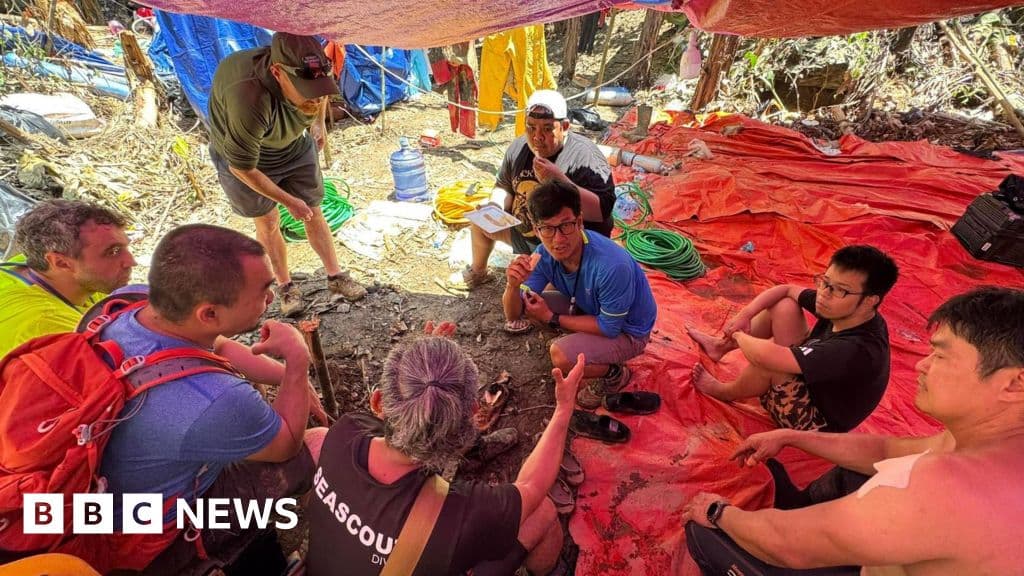
Survivors of the Laos cave rescue are aiding efforts to find the last two missing men trapped inside, sharing crucial insights for the search operation.
BBC World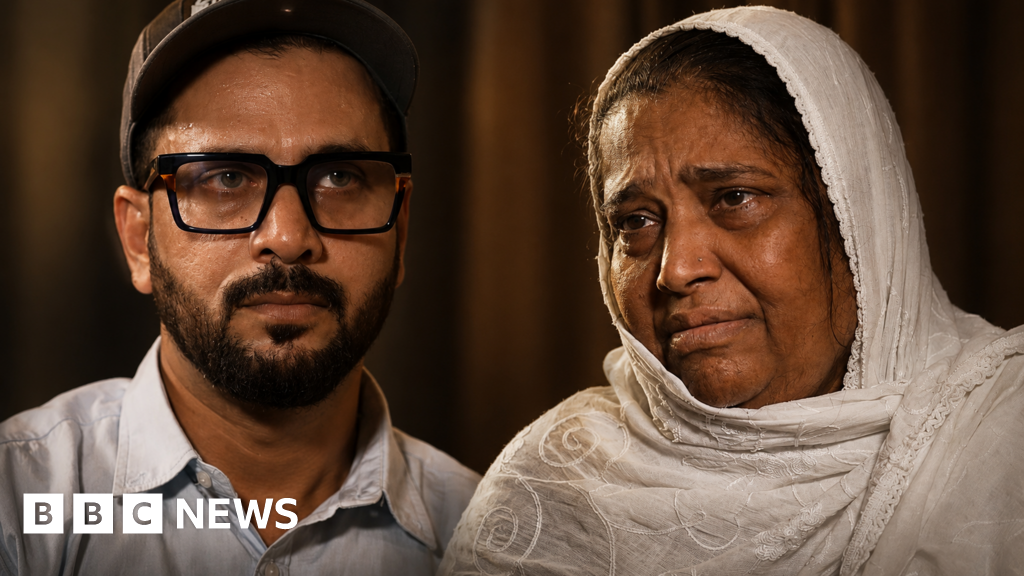
A year after the tragic Air India crash, the Ali family reflects on grief, unanswered questions, and the enduring bonds of love in the face of loss.
BBC Business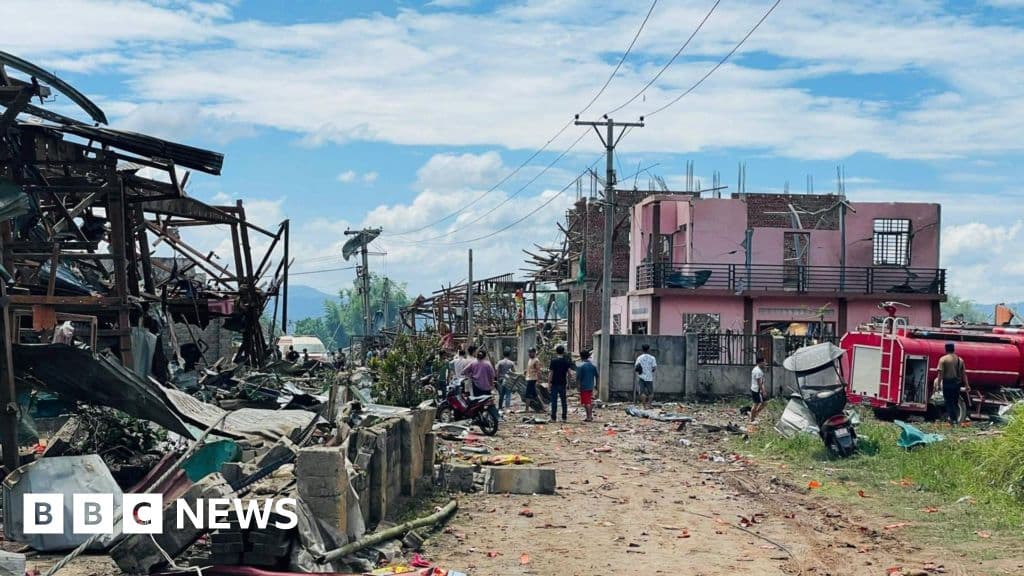
A devastating explosion in Myanmar's Kaung Tat village has killed at least 55 people, raising serious safety concerns and questions about civilian protection in conflict zones.
BBC World